
Last updated November 16, 2026
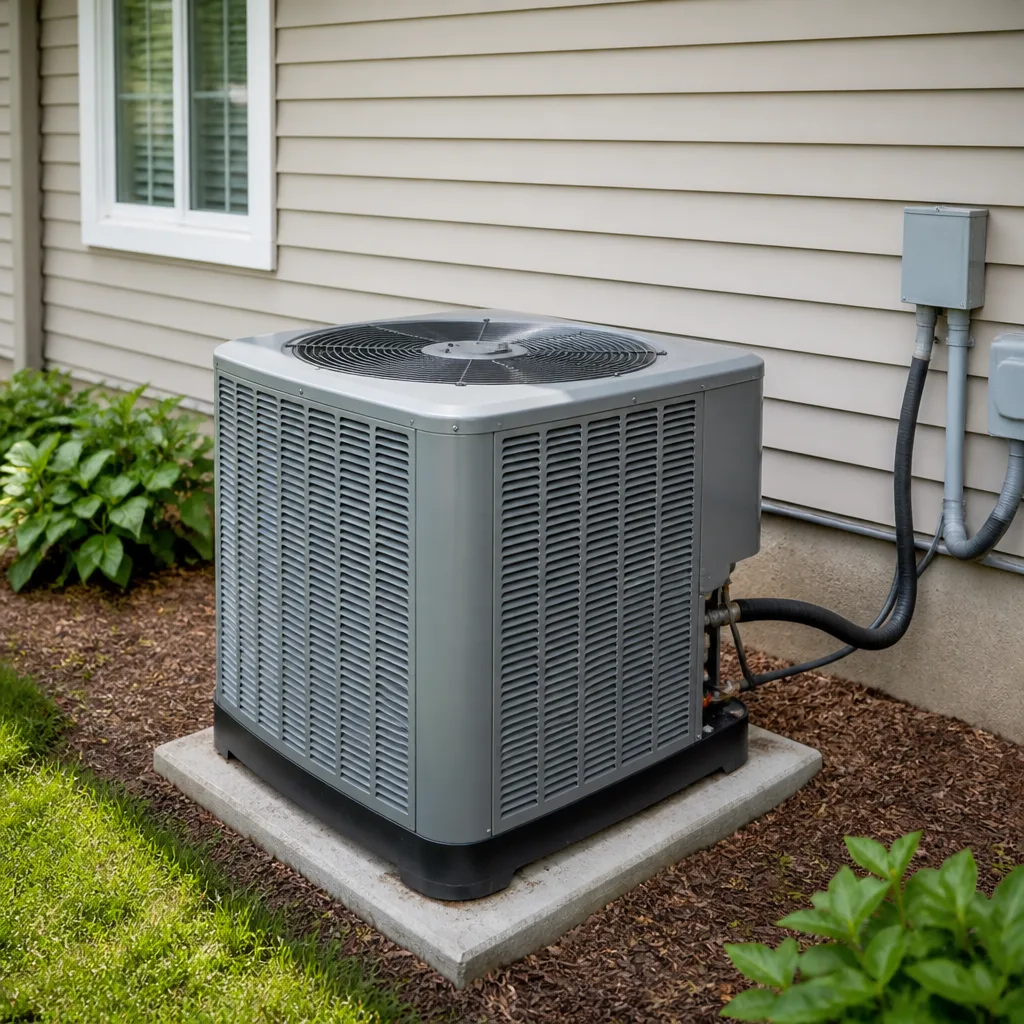 AC repair
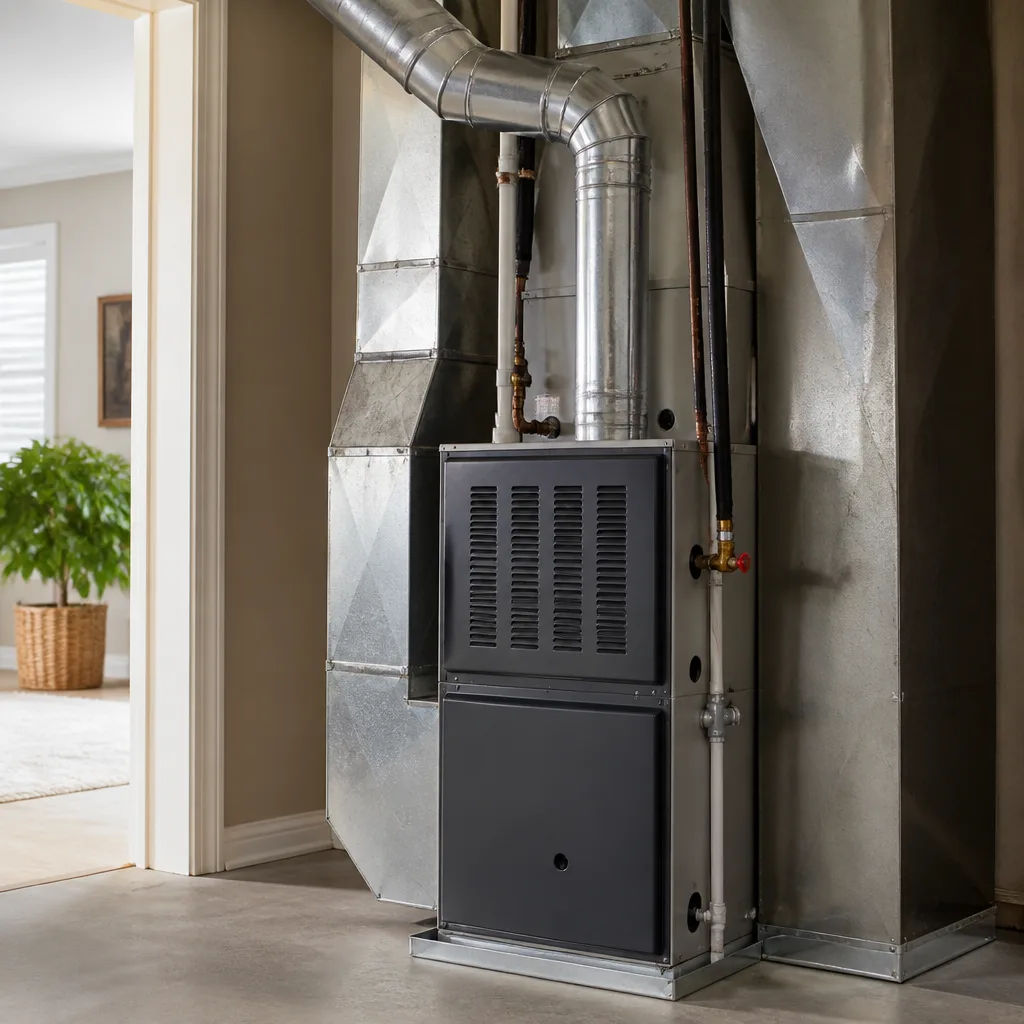 Furnace & heating
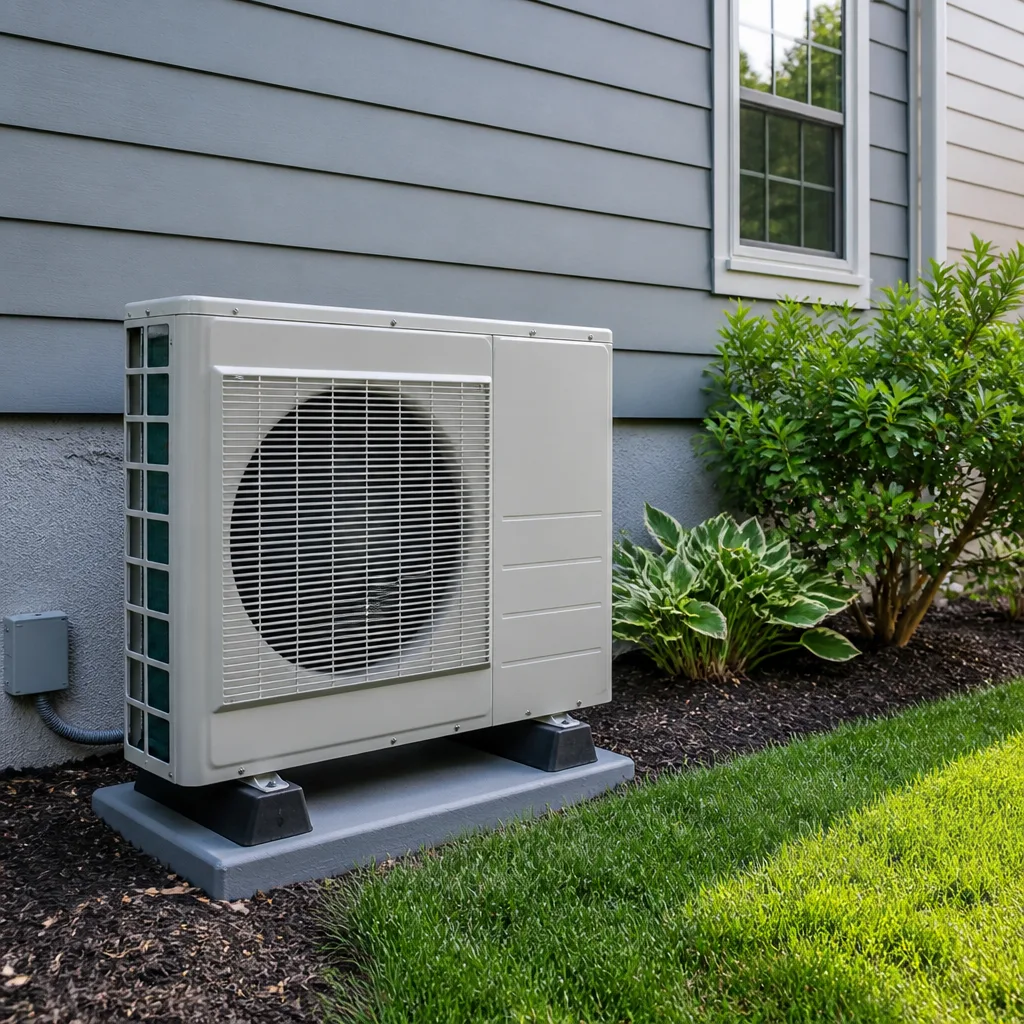 Heat pumps
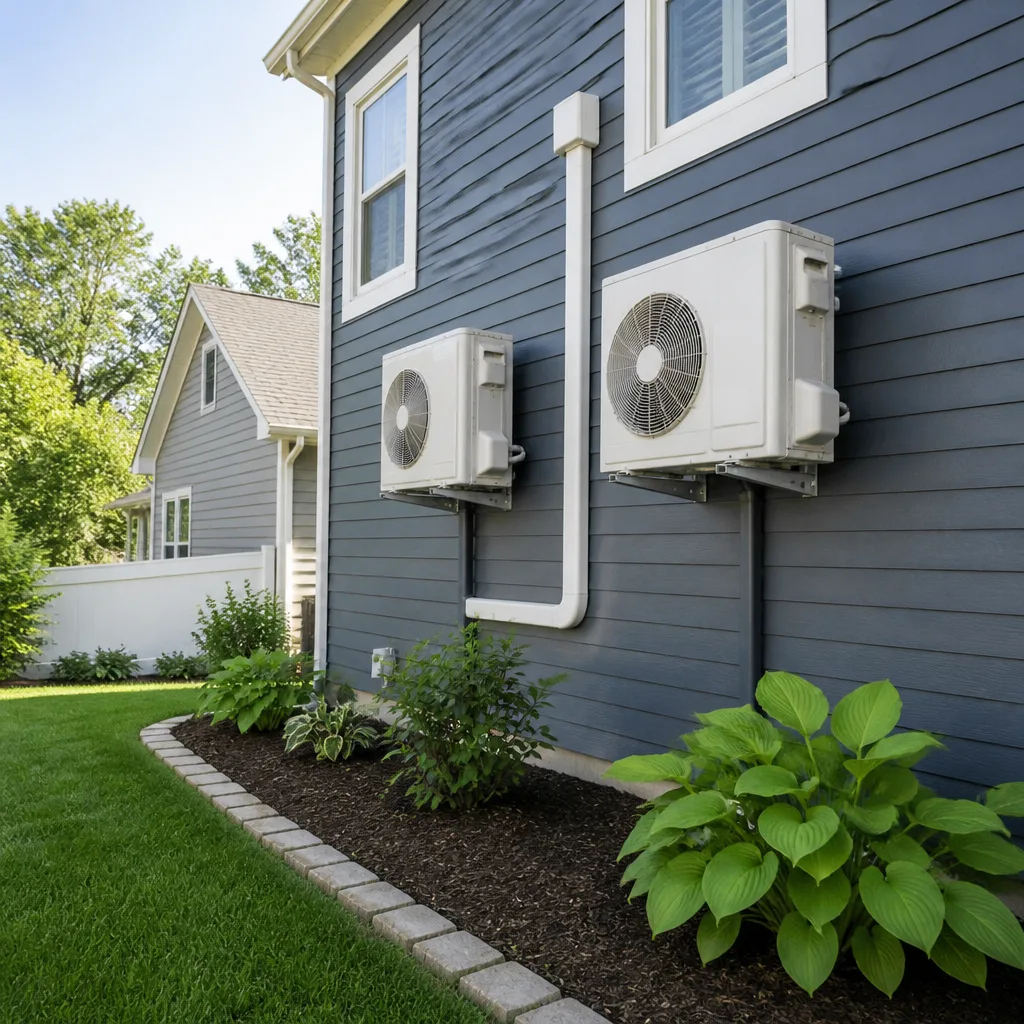 Ductless mini splits
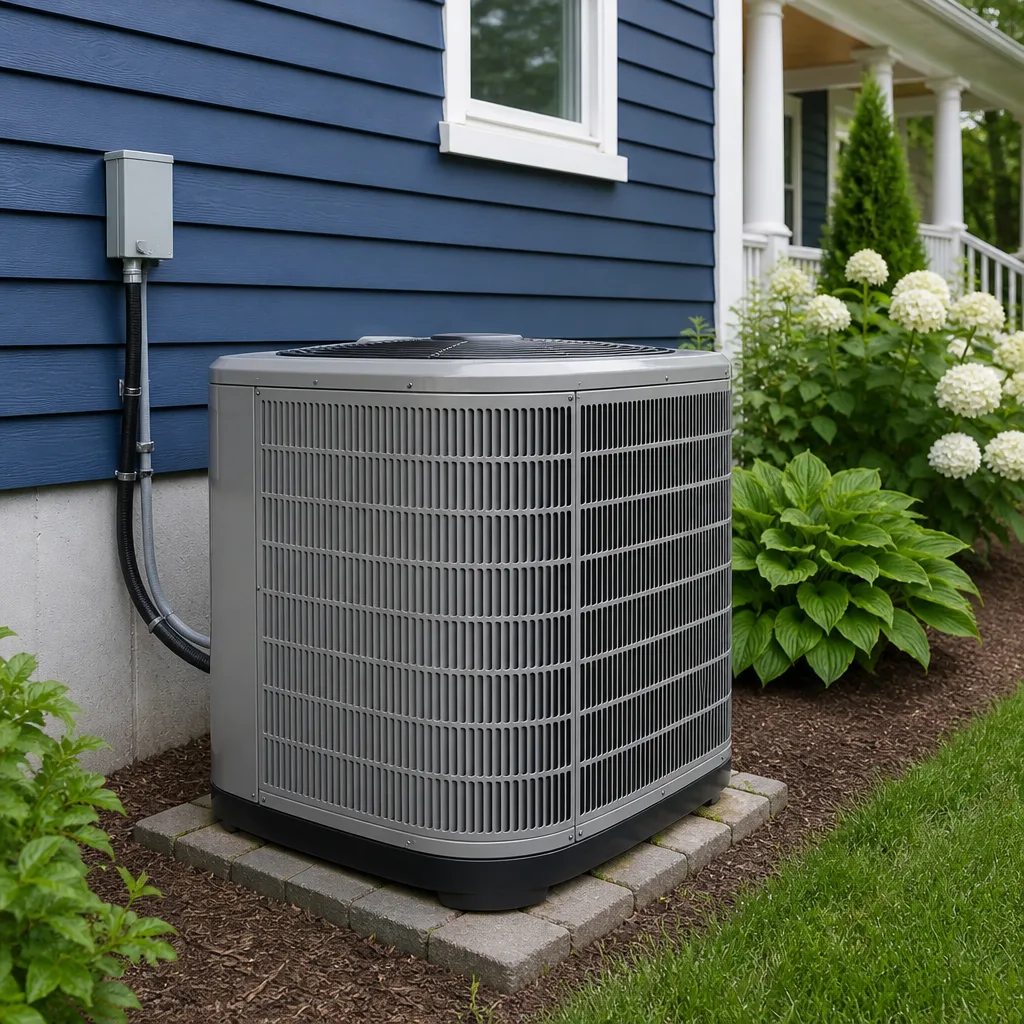 Carrier
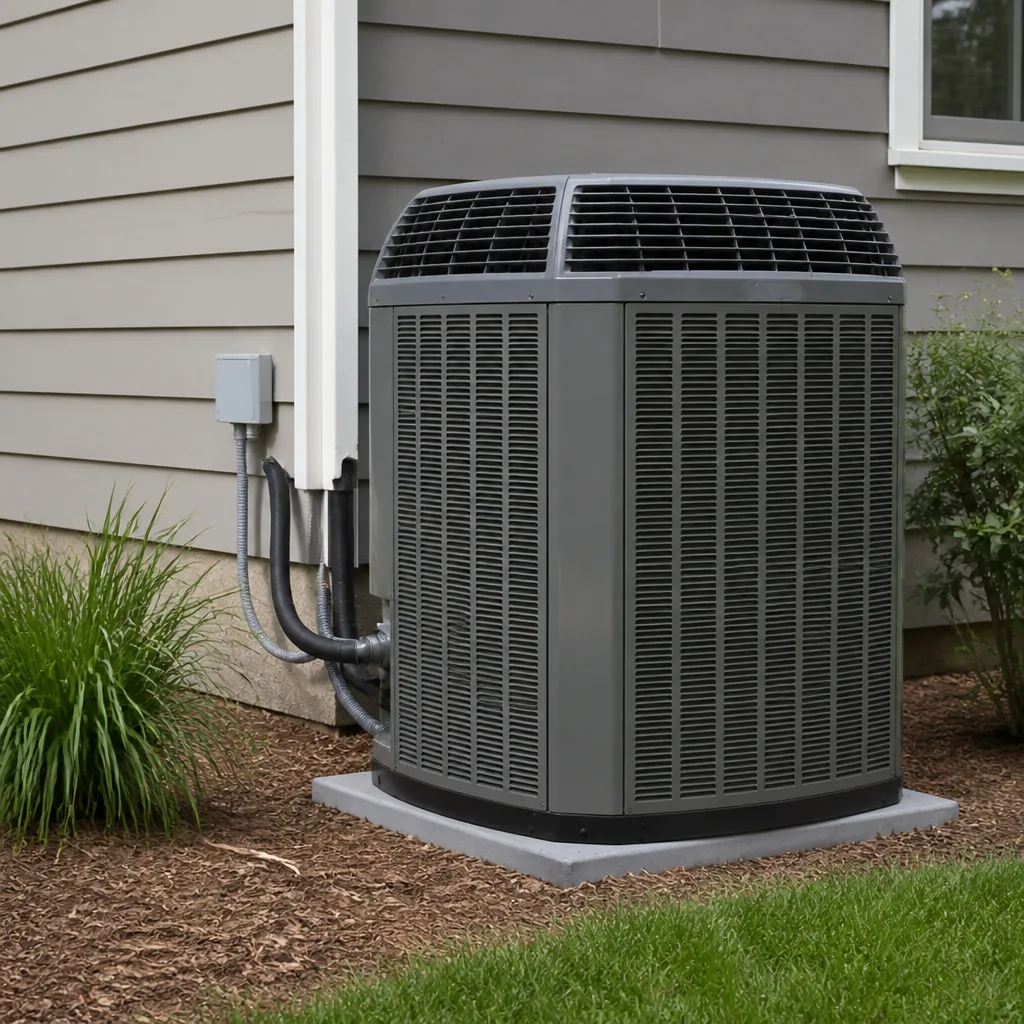 Trane
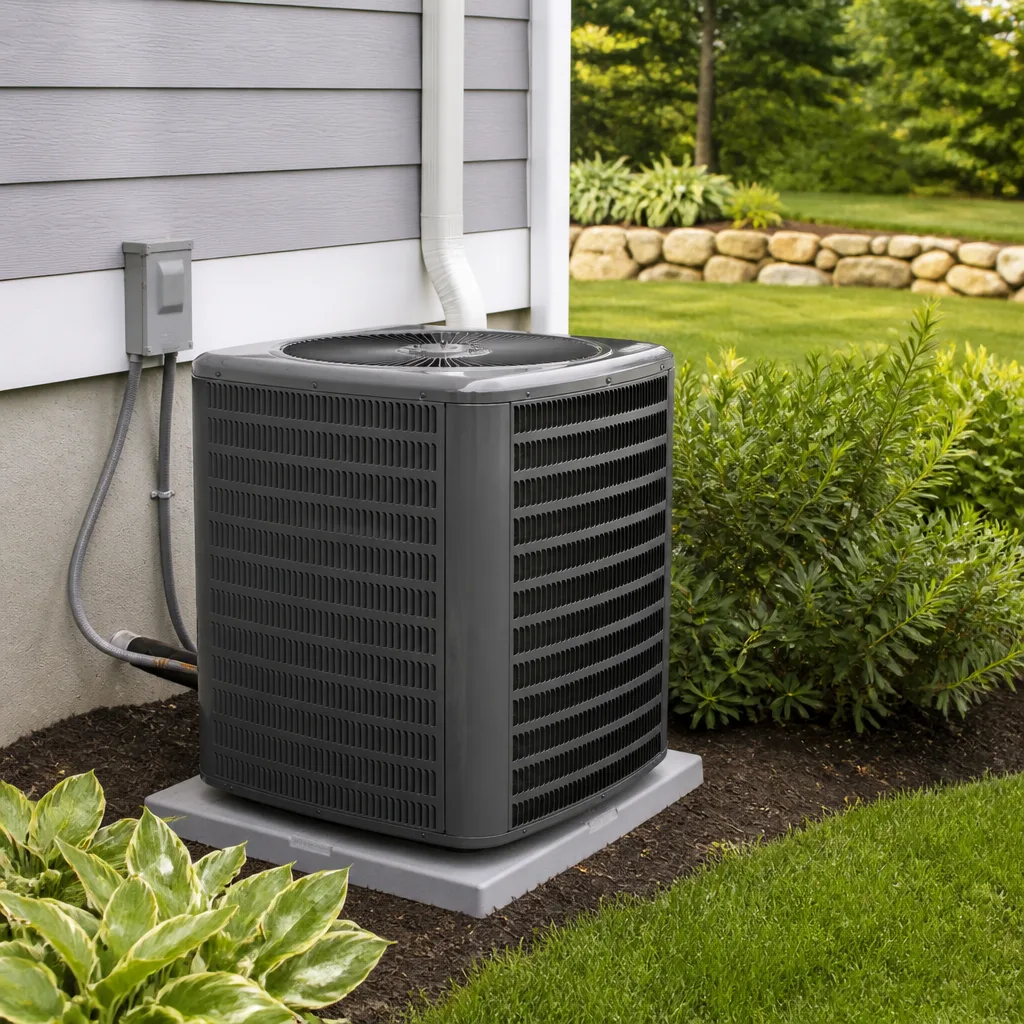 Goodman
Seasonal tune-up and full diagnostic on your Carrier, Trane, or Goodman system - readings shown to you before any repair is proposed
Diagnosis first, numbers second - you approve the repair price before a single part goes in.
Get your free estimateDIY vs Professional HVAC: The East Los Angeles Homeowner’s Decision Guide
Replacing your own air filter is DIY. Recharging refrigerant without an EPA 608 certification is a federal violation, and in California the line between those two categories sits closer together than most homeowners expect. The DIY-versus-professional HVAC conversation usually gets framed as a money question: is it worth paying someone, or can I handle this myself? In East Los Angeles, that framing misses the bigger issue. California regulates refrigerant handling, permits, and landlord obligations in ways that turn some “DIY” work into a legal problem no matter how handy you are. This guide draws the line clearly: what you can safely and legally do yourself, what you can’t, and when calling a professional in East Los Angeles actually pays for itself.
Quick Answer
In East Los Angeles, you can legally and safely change air filters, swap a thermostat, flush a condensate line, and clear debris around your outdoor condenser yourself. You cannot legally handle refrigerant, make electrical connections to your HVAC equipment, or pull the permits a system replacement requires without a licensed contractor. For those tasks, the professional isn’t optional: the work is regulated, and doing it yourself voids warranties and can void insurance coverage on the resulting damage.
Styles & brands we work with
- AC repair
- Furnace & heating
- Heat pumps
- Ductless mini splits
- Carrier
- Trane
- Goodman
Table of Contents
- Where California Draws the Legal Line on DIY HVAC
- The DIY HVAC Tasks That Are Genuinely Safe and Worth Doing
- Why Refrigerant Handling Isn’t a Skill Question
- Why DIY Duct Sealing in East Los Angeles Can Make Air Quality Worse
- How Failed DIY Repairs Affect Warranties and Insurance in California
- The Honest Cost Comparison: When Professionals Pay for Themselves
- Repair or Replace? What the DIY Question Really Comes Down To
- How to Choose an HVAC Contractor in East Los Angeles
Where California Draws the Legal Line on DIY HVAC
California separates HVAC work into two categories: things a homeowner may do on their own property, and things that require a licensed contractor. That distinction isn’t vague. It’s written into state contractor licensing rules and federal refrigerant law, and it applies the same way in Boyle Heights and El Sereno as it does anywhere else in the state.
On the permitted side, a homeowner can perform what’s called “owner-builder” work on their own residence. That means minor tasks that don’t touch refrigerant, gas piping, or the electrical panel: filter changes, thermostat replacement, cleaning, and simple maintenance. On the restricted side, any work involving refrigerant handling falls under Section 608 of the federal Clean Air Act, which requires EPA certification to purchase or handle regulated refrigerants. In plain terms, that certification is not something a homeowner gets by watching tutorials. It’s a formal credential.
System replacement sits in a third category: work that requires a building permit from the local jurisdiction and, in practice, a licensed C-20 Warm-Air Heating, Ventilating, and Air-Conditioning contractor to perform. Most California cities require permits for HVAC replacement, and East Los Angeles follows the same rule. A permit exists for a reason: it ensures the installation is inspected, the electrical and gas connections are safe, and the equipment is properly sized. When you skip the permit, you inherit the liability for whatever the work does later.
Here’s the practical breakdown:
- Homeowner can do: filter replacement, thermostat swap (low-voltage only), condensate line flush, exterior coil cleaning, debris clearing around the condenser.
- Requires EPA 608 certification: any refrigerant recovery, recharge, or line work.
- Requires a licensed contractor and permit: full system replacement, significant electrical work, gas line modification, duct system redesign.
- Gray area, proceed carefully: duct sealing, condensate pump replacement, thermostat wiring that touches line voltage.
What surprises most East Los Angeles homeowners is how many things they assumed were DIY actually aren’t. Thermostat swaps feel like a DIY task, and low-voltage swaps usually are. But if your system uses a line-voltage thermostat (some older systems do), that’s electrical work and belongs with a professional. When you’re unsure which category a task falls into, a quick call clarifies it: Prestige AC Repair will tell you honestly whether it’s a job to book or something you can handle.
The DIY HVAC Tasks That Are Genuinely Safe and Worth Doing
Not everything needs a professional. Some routine HVAC maintenance is safe, straightforward, and cost-effective for East Los Angeles homeowners to handle themselves. Here’s what we’ve seen work well:
1. Air filter replacement
This is the single highest-return DIY task in HVAC. A clogged filter forces your system to work harder, reduces airflow, and can shorten equipment life. Check your filter monthly during heavy use seasons and replace it when it looks gray or matted. In East Los Angeles, dusty summer air and older housing stock mean filters load up faster than the packaging suggests. Most homes need a change every one to three months depending on filter type and household dust. Use the same size and MERV rating the equipment was designed for.
2. Thermostat swap (low-voltage only)
If you’re replacing a low-voltage thermostat with a compatible low-voltage model, this is a legitimate DIY project. Turn off the breaker at the panel first. Take a photo of the wire terminals before disconnecting anything. Match wire labels to the new thermostat’s terminals. If your system uses a line-voltage thermostat, or if you’re wiring anything that touches more than 24 volts, stop and call a professional; that’s electrical work.
3. Condensate line flush
The condensate drain line carries water away from the indoor coil. It clogs over time with algae and debris, and when it does, water backs up and can damage flooring or drywall. Flushing it is simple: locate the drain line (usually a PVC pipe near the indoor unit), pour a cup of distilled white vinegar down the access port every few months, and check that water is draining freely outside or into a floor drain. If you have a wet/dry shop vac, you can also suction the line from the exterior termination point. This is safe to do yourself.
4. Exterior coil cleaning and debris clearing
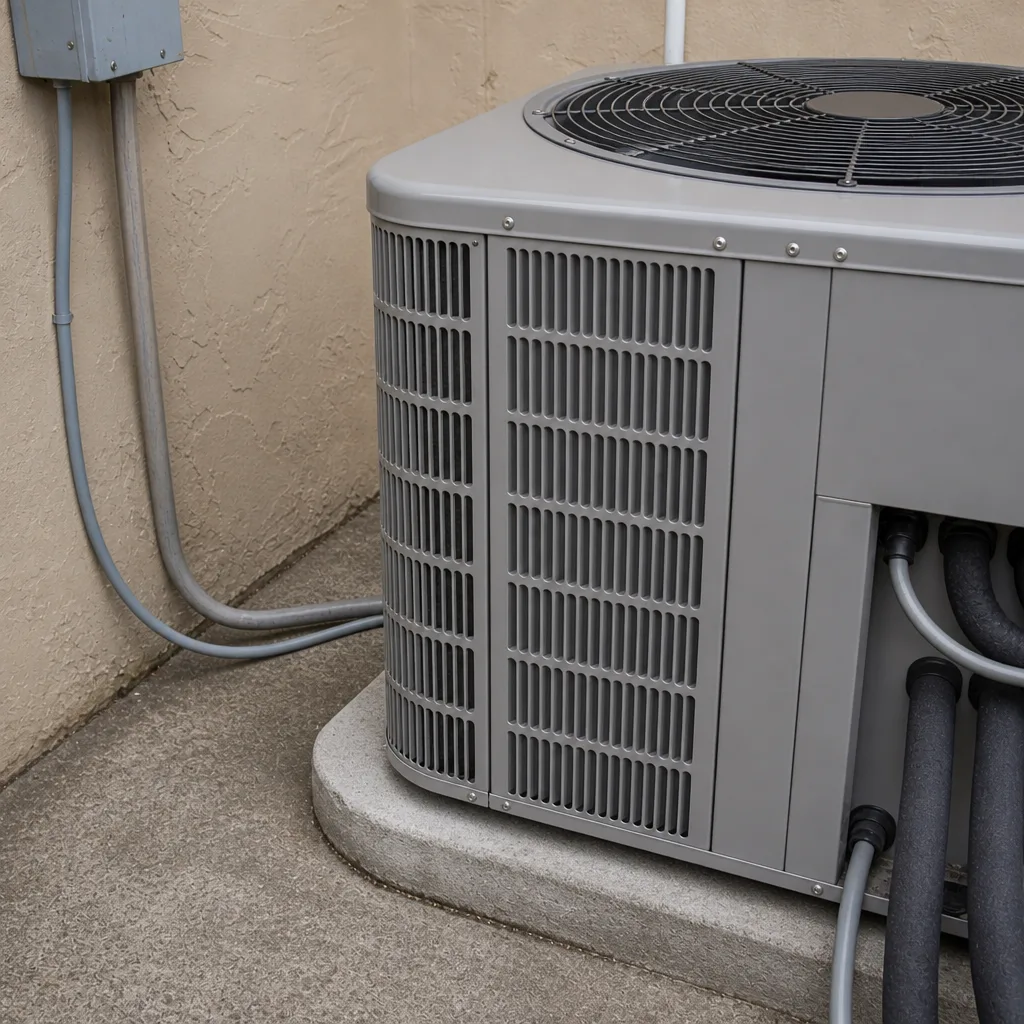
Clear leaves, grass clippings, and debris from around your outdoor condenser unit. Keep at least two feet of clearance around it. A gentle rinse with a garden hose from the top down (with the unit off at the breaker) removes surface dust. Don’t use a pressure washer; the fins are thin and bend easily.
5. Interior vent clearing
Check supply and return registers for dust accumulation and clear them with a vacuum. This isn’t a substitute for duct cleaning, but it keeps visible dust from circulating. No technical skill required.
Why Refrigerant Handling Isn’t a Skill Question
Refrigerant is where the DIY conversation changes entirely. This isn’t a task where a careful, capable homeowner can do the work well; it’s regulated by law, and the regulation stands regardless of skill level. Section 608 of the Clean Air Act requires EPA certification to purchase, handle, or dispose of regulated refrigerants. That certification involves formal training and testing. Without it, you cannot legally purchase refrigerant cylinders or perform refrigerant recovery, recharge, or disposal.
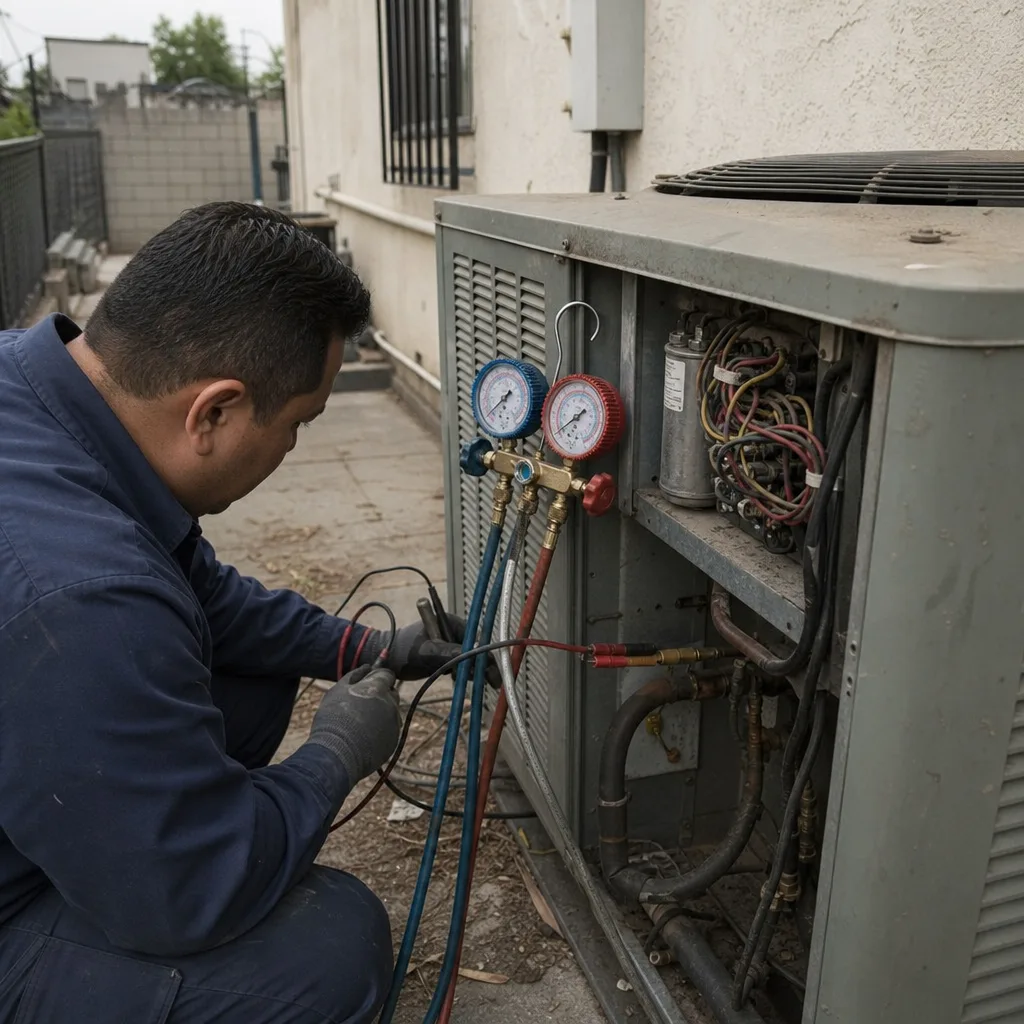
There’s a technical side too, and it matters. Refrigerant systems are sealed and precisely charged. Adding refrigerant without a proper manifold gauge set and understanding of subcooling and superheat readings can easily undercharge or overcharge the system. Overcharging damages the compressor. Undercharging causes the system to run hot and short-cycles. Both outcomes can cost far more than the professional service call would have.
The refrigerants themselves are also regulated. R-22 (older systems) is phased out and expensive to purchase even with certification. R-410A (systems installed from roughly 2010 forward) is still common but requires EPA certification to handle. Newer refrigerants like R-454B are entering the market as manufacturers transition, and each has its own handling requirements. There’s no DIY safe workaround here.
And it’s not just refrigerant. Electrical work on HVAC equipment – the high-voltage side of the system, the disconnect, the contactor, the capacitor, the control board – is genuinely dangerous. Capacitors hold a charge even after power is cut inside the panel. We’ve seen the results of DIY electrical work on HVAC, and it’s not a project where the failure mode is minor. It’s shock, fire, or equipment destruction. That work belongs with a licensed professional, and importantly it belongs with one familiar with your specific equipment.
Our technicians have up to 15 years of experience working on equipment from Lennox, Goodman, Rheem, and York, among other major brands. If your system is underperforming, that experience is the difference between a correct diagnosis and a guess.
Why DIY Duct Sealing in East Los Angeles Can Make Air Quality Worse
Duct sealing looks like a weekend project: buy some foil tape or mastic, seal the obvious gaps, done. In practice, in the older homes common across East Los Angeles, DIY duct sealing often makes things worse.
The problem is pressure. Duct systems are designed to be balanced: the supply air delivered to each room is matched to the return air pulled back. When you seal some leaks but not others, you change the pressure differentials through the system. You can end up pulling more air from unconditioned spaces like attics, crawl spaces, or wall cavities into the ductwork. In older East Los Angeles homes, those spaces contain dust, insulation fibers, and occasionally other things you don’t want circulating. What you thought was a sealing project turns into an air quality problem.
Proper duct sealing involves pressure testing: measuring the duct system’s leakage rate with a duct blaster or similar tool, identifying the biggest leaks, sealing them systematically, and re-testing to confirm the system is balanced. That’s not a DIY-friendly process because you need the diagnostic equipment and the training to interpret the results.
Duct resealing is also tightly coupled to overall system performance. If your ducts are undersized for the system, sealing makes the pressure problem worse, not better. If your ducts run through a hot attic in an East Los Angeles summer, sealing leaks that were actually helping dilute attic heat will raise supply air temperature. The right answer depends on the system, not the tape.
For homeowners whose ducts are accessible, taping obvious visible joints with foil-backed tape (not duct tape, which fails) is low-risk. But comprehensive duct sealing is a job for a professional with diagnostic equipment. If the goal is to improve efficiency and air quality, our AC installation team includes duct assessment as part of any system work.
How Failed DIY Repairs Affect Warranties and Insurance in California
This is the part of the DIY question that rarely comes up until after something fails. Manufacturer warranties on HVAC equipment are conditional. They cover defects in materials and workmanship under normal use, provided the equipment is installed and serviced by a qualified professional. When a repair fails because the homeowner (or an unlicensed handyman) did the work, the manufacturer can deny the claim. That’s not a theoretical risk; it’s the standard warranty exclusion.
Consider a common scenario: a homeowner replaces a capacitor on their own to save a service call. The replacement is the wrong microfarad rating. The compressor runs but overheats over the course of a summer in East Los Angeles, and the compressor fails. The manufacturer reviews the repair history, sees the compressor was subjected to an incorrect electrical load, and denies the compressor warranty. That’s the full cost of the compressor. It dwarfs what the original service call would have cost.
Homeowner’s insurance is a related question. Standard HO policies cover sudden and accidental damage, not work the homeowner did incorrectly. If a DIY repair causes a fire or water damage, the insurer may investigate the cause and, if the loss traces back to unpermitted or improper work, the claim can be reduced or denied. Insurance carriers have seen enough of this that they ask questions. In California, where disclosure requirements on home sales are strict, unpermitted work also becomes a thorny issue when you sell: any unpermitted HVAC installation has to be disclosed, and the buyer’s inspector will find it.
Add the permit question and the picture gets clearer. A system replacement done without a permit doesn’t just risk the warranty; it puts the homeowner in the position of having to disclose that work when they sell. Getting the permit retroactively is possible in most cases, but it involves an inspection and often remediation. That’s a much bigger lift than pulling the permit before the work.
For a real-world repair scenario, take a look at what a proper furnace repair involves from the professional side; it’s rarely as simple as swapping one part.
The Honest Cost Comparison: When Professionals Pay for Themselves
The cost question deserves a straight answer, because “DIY always saves money” and “always hire a pro” are both wrong. Here’s the honest breakdown for East Los Angeles homeowners:
When DIY pays for itself immediately
- Filter changes. A filter costs a few dollars; a professional filter change is a service call. This is the clearest win for DIY.
- Condensate line flush. A cup of distilled vinegar and five minutes of your time. No reason to call anyone unless you’ve already got a professional out for other work.
- Exterior coil cleaning and debris clearing. Free to do, and it protects the equipment. Do it twice a year.
- Thermostat swaps (low-voltage, like-for-like). If you’re replacing a basic thermostat with a basic thermostat, this is a safe weekend job.
- Interior vent cleaning. Vacuuming registers takes minutes and keeps dust down.
When professionals pay for themselves immediately
- Any diagnostic work. Modern HVAC systems use error codes, pressure readings, electrical measurements, and sometimes proprietary diagnostics. Guessing what’s wrong costs more than asking a professional who has seen the same symptom on the same brand a hundred times.
- Refrigerant work. Not legally DIY, and the tools required are expensive to buy correctly.
- Electrical work beyond low-voltage. A service call to fix a DIY mistake costs more than the original call would have.
- Duct work of any kind beyond taping obvious joints. The diagnostic equipment is the whole point, and you don’t own it.
- Anything that touches the gas line or the combustion system on a furnace. Genuinely dangerous, and a code issue.
- Any system replacement. The permit, the load calculation, the refrigerant handling, and the warranty issue all point one direction.
The line here isn’t “can I physically do this?” It’s “can I do this correctly, legally, and with warranted results?” For filter changes, absolutely. For almost everything else that touches refrigerant, electricity, or the permit process, the professional is the affordable option when you factor in what a mistake costs.
Repair or Replace? What the DIY Question Really Comes Down To
Most homeowners arrive at the DIY-versus-professional question because a system is failing and they’re weighing their options. Underneath it is usually a repair-or-replace question. Here’s how we think about it:
- Age of the system. If the equipment is more than 12-15 years old and needs a major repair (compressor, condenser coil, control board), replacement starts making sense. Below that, repair usually wins.
- Refrigerant type. R-22 systems are expensive to service because R-22 is phased out. A system running R-22 with a refrigerant leak is usually a replacement candidate.
- Efficiency of the existing system. A 10-SEER system in East Los Angeles, where cooling runs for months, costs meaningfully more to operate than a modern system. Sometimes the math tips toward replacement on that alone.
- Frequency of repair. One repair is normal. Three significant repairs in two years says the system is on the way out.
- Warranty status. If the system is still in warranty, that shifts the calculus: repair the equipment and preserve the warranty before considering replacement.
- Your goals. If you’re planning to stay in the home, long-term economics favor replacement. If you’re selling within a year, repair is often the practical answer.
This is the honest conversation we offer. Furnace repair isn’t always the answer, and neither is furnace replacement; it depends on what the equipment actually needs. We work on your system, whatever brand it is, and give you a recommendation based on condition, not on what’s easiest to sell.
If you want to understand what’s involved in a full system swap, our guide to East Los Angeles HVAC helps you see how replacement fits into the climate and housing here.
How to Choose an HVAC Contractor in East Los Angeles
If you’ve decided a job belongs with a professional, hiring the right one matters as much as the decision itself. Here’s what to look for:
- Licensed and insured. Ask for the license number and confirm it with the state. A licensed contractor carries insurance, which protects you if something goes wrong.
- Brand familiarity. Not every company works on every brand. Ask specifically whether they work on your brand of equipment; you’ll get a straight answer from a company that’s familiar with it, and a hedge from one that isn’t.
- Brand-neutral recommendations. A technician who steers you toward one brand regardless of what you own is selling, not diagnosing.
- Free estimates for replacements. Any replacement conversation should start with a written estimate based on a load calculation, not a phone guess.
- Furnace and AC together. Heating and cooling systems share ductwork, electrical, and the same comfort goals. A company that handles both can look at the whole system instead of half of it.
- Real repair options. If a company only replaces equipment and doesn’t repair it, ask why. Furnace repair and AC repair should always be on the table before replacement.
We’re qualified to service equipment from Carrier, Trane, Lennox, Goodman, Rheem, York, Daikin, Bryant, and American Standard: nine of the industry’s leading brands. When we visit your home, we’re not learning on your system. That’s the difference between a company that works on your equipment and one that works around it.
Common Mistakes to Avoid
- Assuming you can recharge your own refrigerant. It requires EPA 608 certification, which is a formal credential, not a weekend course. Attempting it without certification is a federal violation and void of any warranty protection.
- Sealing ducts without pressure testing. In East Los Angeles’s older homes, uneven duct sealing makes pressure problems worse and can pull dust and attic air into the living space. Proper sealing requires diagnostic equipment.
- Skipping the permit on replacement. This is the one that comes back to bite years later. Unpermitted HVAC work has to be disclosed when you sell, and getting it permitted retroactively is much harder than pulling the permit upfront.
- Buying a thermostat online and wiring it yourself without checking the voltage. Low-voltage swaps are fine; line-voltage swaps are electrical work. Read the spec sheet before you disconnect the old thermostat.
- Diagnosing from symptoms without performing actual diagnostics. “It’s blowing warm air, must need refrigerant” is one of the more common wrong guesses. Could be a failed capacitor, a stuck contactor, a failed compressor, or a refrigerant charge issue. The right approach is measurement, not guessing.
- Buying a replacement filter with a higher MERV rating than the system can handle. A higher MERV filter restricts airflow more. If you’ve got a standard residential system, MERV 8-11 is typically the useful range. MERV 13+ can starve the system of airflow and cause freezing.
- Handling electrical components without discharging capacitors. Capacitors hold a charge after power is cut. They’re the single most common shock hazard in HVAC work. Leave them to a professional.
See the difference
 Before
 After
 Before
 After
 Before
 After
When to Call a Professional
Call a professional when the work involves refrigerant, requires a permit, touches the electrical panel or line voltage, or involves the gas system or combustion. That’s not a sales pitch; it’s a legal line and a safety one. Call us if your system is blowing warm air in summer or cold air in winter, if you’re hearing grinding or squealing from the equipment, if your energy bills have jumped, if you see ice on the refrigerant line, or if you’re weighing repair versus replacement and want a straight answer. Prestige AC Repair offers free estimates in East Los Angeles: call (833) 997-6067. We answer 24/7, with fast dispatch from 7am to 7pm, Sunday through Friday.
Frequently Asked Questions
No. Refrigerant handling requires EPA 608 certification under Section 608 of the federal Clean Air Act, and California enforces this requirement. Purchasing regulated refrigerants, recovering them, and recharging systems are all acts that require the certification. Call (833) 997-6067 for a refrigerant diagnosis and quote.
No, not legally or safely. System replacement requires a building permit and a licensed C-20 HVAC contractor in most California jurisdictions, including East Los Angeles. The work also involves refrigerant handling and electrical connections that require licensure. Even if the installation were done well, the lack of permit creates disclosure issues when you sell the home. Call (833) 997-6067 for a replacement estimate.
It can, yes. Manufacturer warranties typically require installation and service by a qualified professional, and they exclude damage caused by improper repair or non-professional installation. If a failed DIY repair traces back to the failure, the manufacturer can deny the claim. Replacing a component with the wrong specification, for example, can void the warranty on the affected equipment. Call (833) 997-6067 before a DIY repair turns into a warranty question.
Change the air filter regularly. That’s the highest-return, lowest-effort thing any homeowner can do, and it’s genuinely within DIY scope. Beyond filters, keep the exterior condenser clear of debris and flush the condensate line a couple of times a year. Those three tasks handle most of the routine maintenance that any homeowner can safely perform. Call (833) 997-6067 for a professional tune-up covering everything else.
Because duct systems are pressure-balanced, and sealing one leak changes the pressure in the rest of the system. In older East Los Angeles homes, that can pull air from unconditioned spaces like the attic or wall cavities into the ductwork. Proper duct sealing involves pressure testing to make sure the whole system is balanced after the work. Call (833) 997-6067 for a duct assessment.
Almost always, fixing a DIY mistake costs more than the original professional repair would have. The professional repair solves the problem once. A DIY mistake often causes secondary damage: overcharged refrigerant damages the compressor, wrong capacitor causes motor failure, improper electrical work causes a fire. The cost of correcting the secondary damage is many times the original repair. Call (833) 997-6067 for an upfront estimate before the work starts.
The Bottom Line
The DIY-versus-professional question isn’t really about capability. It’s about legality, safety, and what happens when something fails. In East Los Angeles, filter changes, condensate line flushes, and thermostat swaps are yours to handle. Refrigerant handling, electrical work beyond low-voltage, and system replacement belong with a licensed professional, and that’s a legal line, not a preference. The in-between work, duct sealing and diagnostics, belongs with a professional too, because the right tools and training are what make the difference. The honest cost comparison generally favors DIY for the small routine tasks and professionals for everything else. That math holds up across equipment brands, whether you own a Lennox, a Goodman, or anything else; the legal and safety rules don’t change by manufacturer.
If you want a straight answer about whether a job is DIY-appropriate for your system, call Prestige AC Repair at (833) 997-6067 for a free estimate. We answer 24/7, with fast dispatch from 7am to 7pm, Sunday through Friday, and we’ll tell you honestly whether you need us. Same-day service is available when it’s a genuine repair. Our technicians have up to 15 years of experience across nine major brands, and we offer repair or replace recommendations based on your system’s condition, not on what we’d prefer to sell.
Written by the team at Prestige AC Repair.