
Last updated November 16, 2026
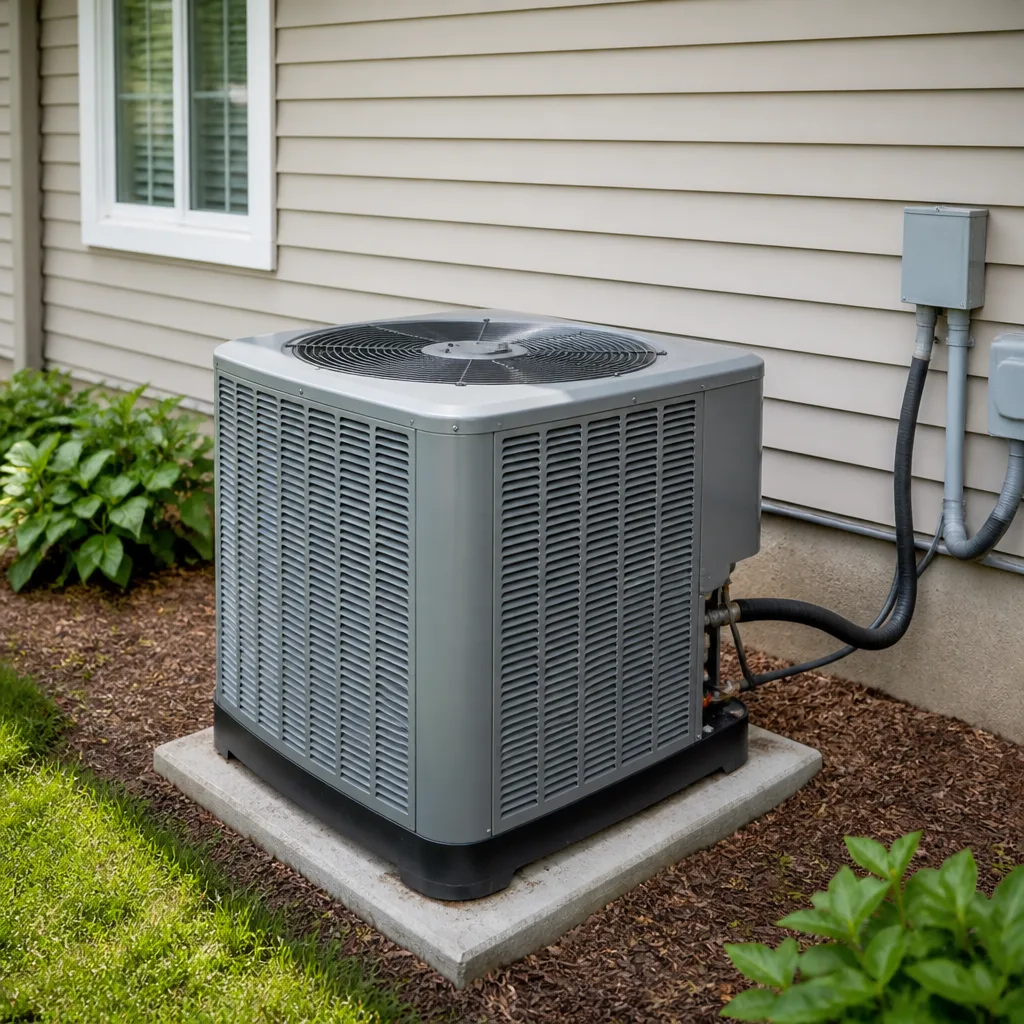 AC repair
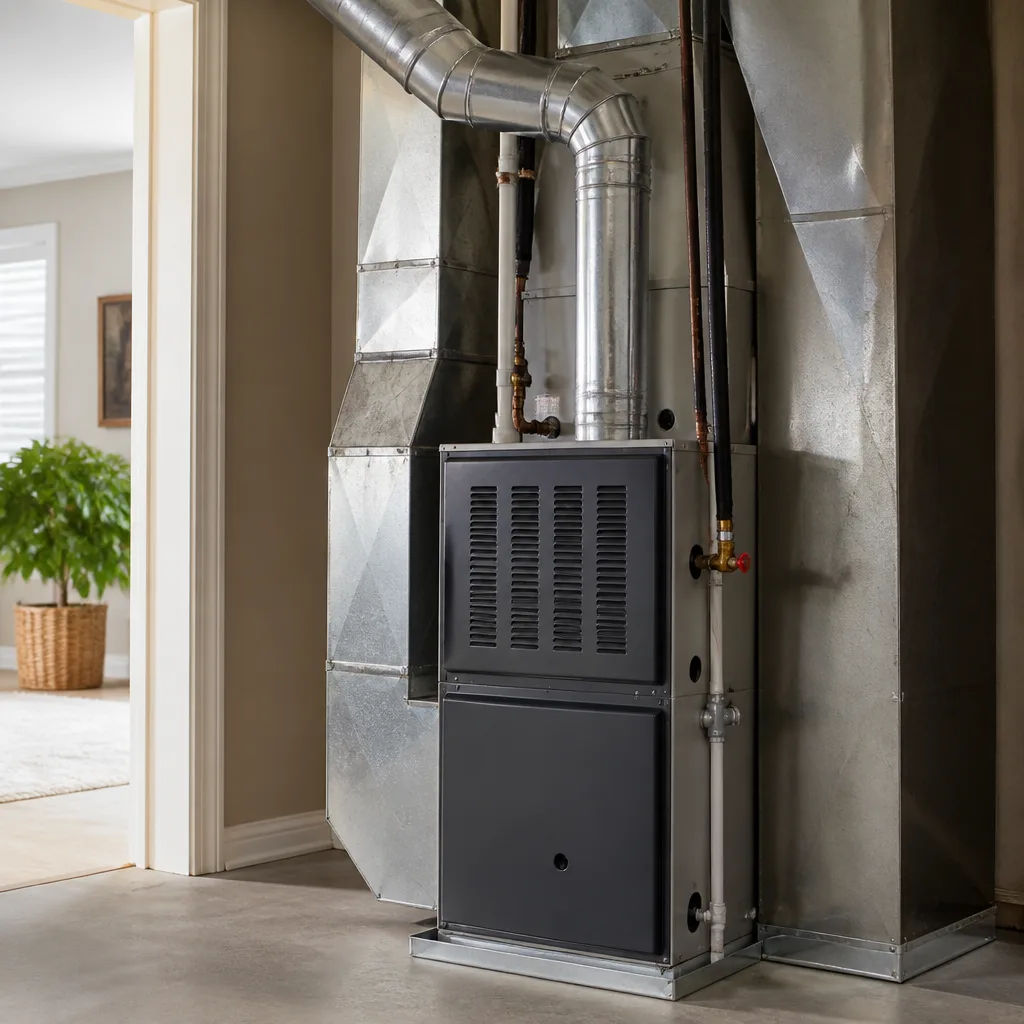 Furnace & heating
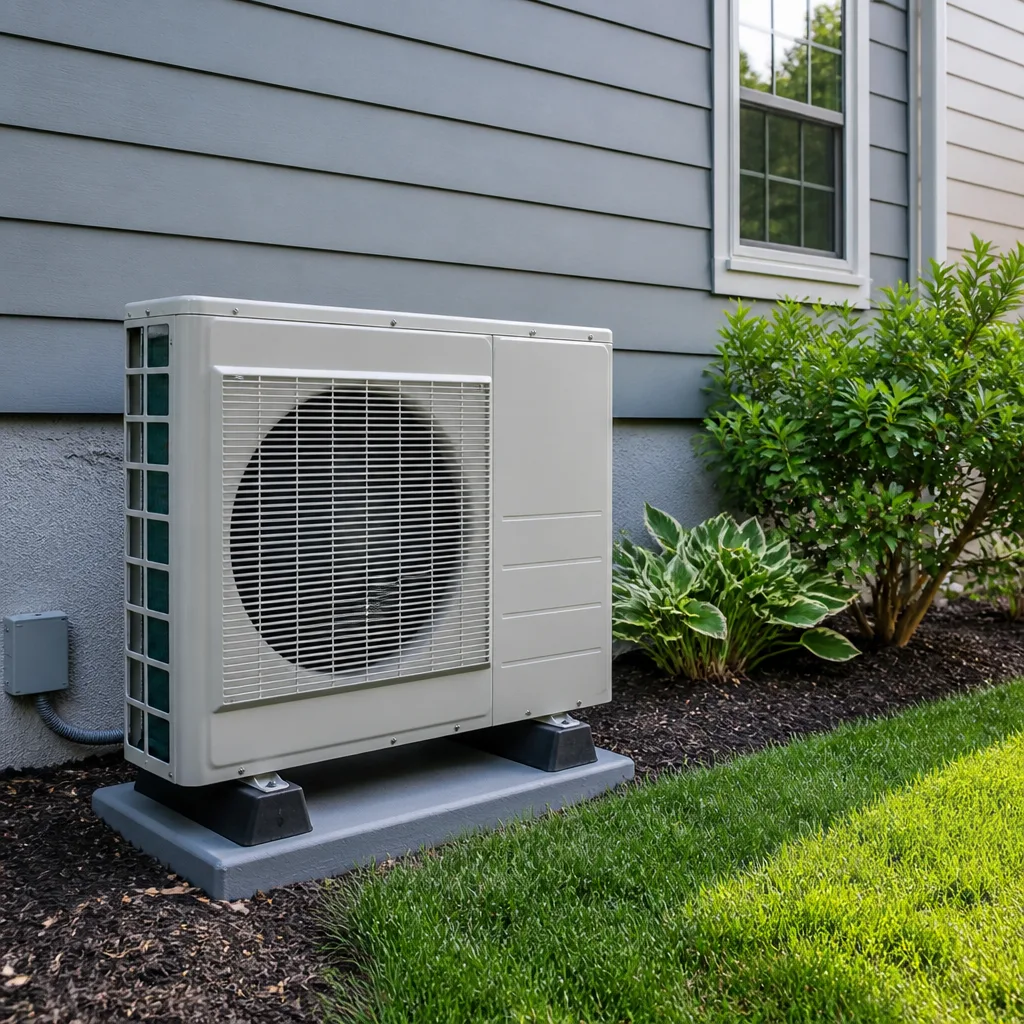 Heat pumps
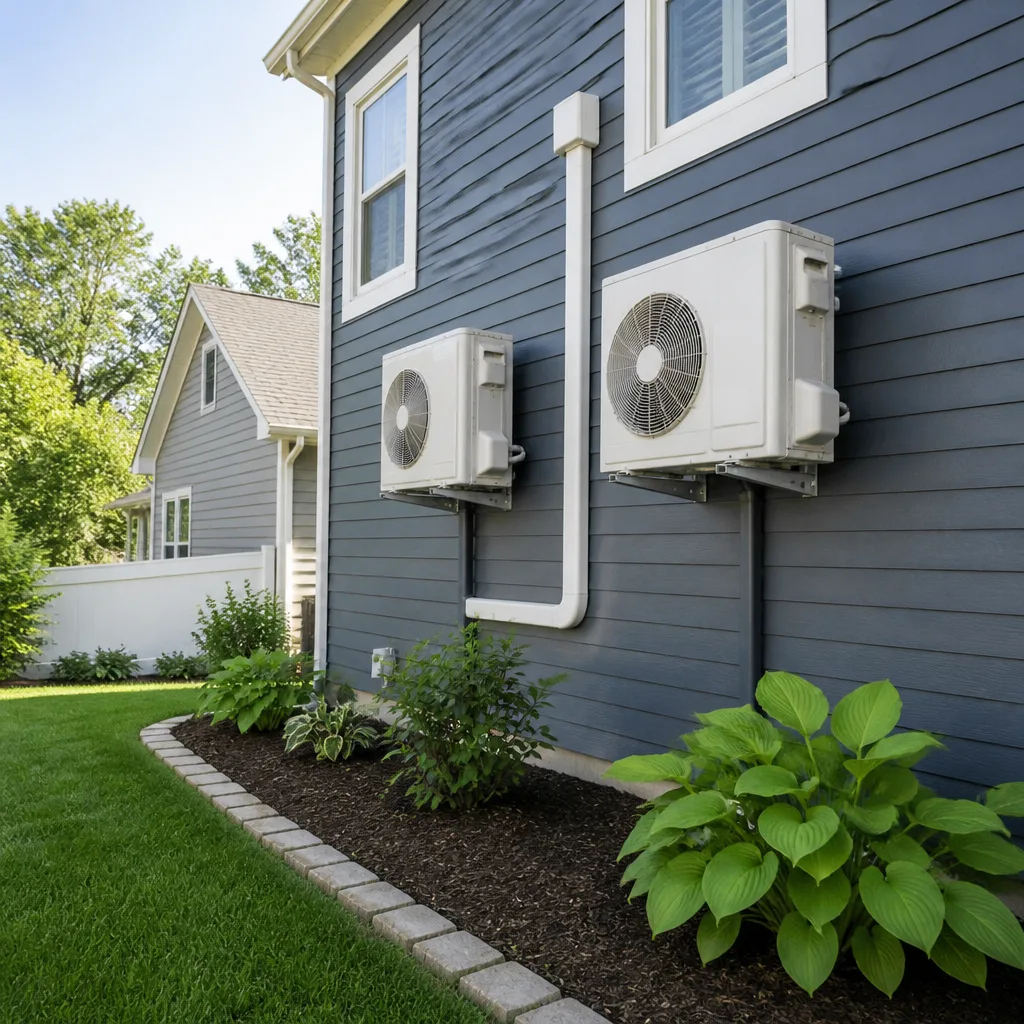 Ductless mini splits
 Carrier
 Trane
 Goodman
Seasonal tune-up and full diagnostic on your Carrier, Trane, or Goodman system - readings shown to you before any repair is proposed
Diagnosis first, numbers second - you approve the repair price before a single part goes in.
Get your free estimateHVAC Cost Breakdown: The East Los Angeles Homeowner’s Reference for 2026
Two identical air conditioners installed in the same week, a few miles apart in East Los Angeles, can carry quotes that differ by about $2,000. That gap isn’t dishonesty. It’s equipment sourcing, permit handling, and labor structure, and they genuinely vary that much across the LA basin. Most homeowners never see where those numbers come from, so a low bid feels like a bargain and a fair bid feels inflated. This guide fixes that. We’ll walk through 2026 price ranges for the five most common jobs, then look at the stuff behind the invoice: labor rates here versus national averages, permit fees that some contractors bury and others itemize, the real ten-year math on brand-name equipment, and what utility rebates can legitimately knock off a replacement. You’ll finish with a way to read a quote instead of guessing at it.
Quick Answer
In East Los Angeles in 2026, typical HVAC costs run roughly $150 to $500 for most repairs, $180 to $400 for a refrigerant recharge on an older system, $400 to $1,000 for targeted duct work, $6,000 to $13,000 for a full system replacement, and $5,500 to $12,000 for a new installation depending on equipment tier and how much duct and permit work is involved. The written estimate is what actually sets your price. A quote that omits permit fees, crane or haul-away costs, or refrigerant line changes isn’t cheaper, it’s incomplete.
Styles & brands we work with
- AC repair
- Furnace & heating
- Heat pumps
- Ductless mini splits
- Carrier
- Trane
- Goodman
Table of Contents
- What does an HVAC repair cost in East Los Angeles?
- How much is a refrigerant recharge in 2026?
- What does a full system replacement cost in East Los Angeles?
- What does duct work cost, and why does it matter here?
- What does a new installation cost, and what drives the price?
- Why is labor in East Los Angeles priced higher than national averages?
- How do LA County permit fees fit into your total?
- What’s the real ten-year cost of brand-name equipment, and which rebates apply?
What does an HVAC repair cost in East Los Angeles?
Most HVAC repairs in East Los Angeles land between $150 and $500 in 2026, with the final number depending on the part, the age of the system, and how long the diagnostic takes. The repair itself is usually a modest share of the invoice. The diagnosis is what tells you whether you’re fixing a $200 part or looking at a system that’s near the end of its life.
Here’s how typical repair pricing breaks down by job type:
- Capacitor or contactor replacement: $150 to $300. Common on systems that won’t start, and one of the least expensive fixes available.
- Blower motor replacement: $350 to $700. Often on older furnaces and air handlers, and worth comparing against the value of the system.
- Condenser fan motor: $300 to $650. A failing fan shows up fast in warm weather because the system can’t shed heat.
- Thermostat replacement or rewire: $150 to $450, depending on whether we’re swapping a basic unit or tracing a control wire.
- Compressor replacement: $900 to $2,200. This is where the fix-versus-replace conversation genuinely matters.
- Heat exchanger or control board: $400 to $1,200 on a furnace. Heat exchanger work in particular has to be done by a trained technician, since a cracked exchanger can release combustion gases.
We work on the system you already have, whether it’s a Carrier condenser from the last decade or a Goodman furnace still running strong. That matters in East Los Angeles, where the housing stock runs from 1920s bungalows to newer infill, and equipment ranges all over the map. Our technicians have up to 15 years of experience, and they diagnose first rather than quoting a replacement as an opening move. If you’d like to understand the repair side in more depth, take a look at furnace repair for the heating equivalent of this breakdown.
One honest note before we move on. The estimate is free and the price gets set per job by the written estimate. What that means for you: a phone quote is a range, and the written document after the technician sees the equipment is the number that counts.
How much is a refrigerant recharge in 2026?
A refrigerant recharge in East Los Angeles typically runs $180 to $400 in 2026, but the more useful question is why the system needed one. Refrigerant is a sealed system. If it’s low, it leaked somewhere, and topping it off without finding the leak means you’ll be paying for the same recharge again next season.
Pricing splits into two parts:
- Diagnosis and leak search: usually part of the visit. A technician pressurizes the system and traces where refrigerant is escaping, whether that’s a Schrader valve, a line-set joint, or an evaporator coil.
- Recharge itself: priced by refrigerant type and weight. Older R-22 systems cost more to recharge than newer R-410A and R-454B systems because R-22 is no longer produced domestically and supply is limited. On older equipment, a recharge quote can approach the value of a new system, which is a sign it’s time to talk replacement.
Be cautious with any quote that offers a recharge without a leak search. It’s the HVAC equivalent of adding oil to a car with a bad gasket. It works for a month. Then it doesn’t. Ask specifically how the technician plans to locate the leak, and get the answer in writing before work starts.
If your system freezes on the indoor coil or blows warm air through the vents, that’s a refrigerant problem about half the time and a metering device or airflow problem the rest. The diagnosis is the valuable part. In our experience in East Los Angeles, the systems that come in from long-running leaks benefit most from a straight conversation about what a recharge will really cost over a few years versus putting that money into a replacement.
If you’re seeing the same symptoms on the heating side, low airflow or a furnace that cycles short, those often trace back to a different set of parts entirely. Our guide to the East Los Angeles service area covers how we handle both.
What does a full system replacement cost in East Los Angeles?
A full system replacement in East Los Angeles typically runs $6,000 to $13,000 in 2026. That range covers the condenser, indoor coil, and often a new air handler or furnace, plus the labor to hook it all up and the permit. Where you land inside that range depends on equipment tier, system size, and how much of the existing duct work can stay.
Line by line, here’s how the money usually breaks out:
- Condenser and indoor coil: $2,500 to $6,000. Single-stage equipment sits at the bottom; variable-speed, higher-SEER systems at the top.
- Air handler or furnace: $1,200 to $3,500, depending on whether you’re replacing the furnace at the same time or keeping the existing one.
- Line set, pad, and electrical connections: $400 to $1,200. Older systems often need a new refrigerant line set because the old one was sized for a different refrigerant.
- Permit and inspection: set by LA County. See the permit section below.
- Haul-away and old equipment disposal: $100 to $300, and worth confirming it’s included.
- Labor and commissioning: $1,000 to $2,500, depending on access and how much modification the new equipment requires.
We handle replacement on both heating and cooling sides here, which means homeowners in East Los Angeles don’t have to negotiate with one contractor for the AC and another for the furnace. Nine of the industry’s leading brands come through our diagnostics, including Bryant, American Standard, Carrier, and Trane, so we’re matching equipment to the house rather than steering you toward a single preferred label.
Replacement work is load-calculated and scheduled rather than same-day. You’ll get a written fixed price and a set install date. For the full scope of what an install involves on the cooling side, our AC installation page walks through the process from sizing to commissioning.
What does duct work cost, and why does it matter here?
Duct work in East Los Angeles typically costs $400 to $1,000 for targeted repairs, or $2,500 to $7,000 for full replacement depending on home size and accessibility. Ducts matter disproportionately here because a lot of the housing stock wasn’t built for central air. Attic-routed flex duct crammed into a 1950s hip roof loses a meaningful share of its cooling to the attic itself, and no amount of high-SEER equipment fixes that.
Common duct work jobs and typical pricing:
- Sealing accessible leaks: $400 to $800. Usually the highest-return project in an older East Los Angeles home.
- Replacing damaged flex runs: $600 to $1,500, depending on attic access and run length.
- Rerouting or rebalancing: $700 to $1,800. Fixes rooms that never seem to cool regardless of what the thermostat says.
- Removing asbestos-wrap duct insulation in older homes: this is a separate abatement job outside the HVAC scope, and if a contractor is willing to just cut it out without a plan, that’s a warning.
- Full duct system replacement: $2,500 to $7,000. Worth doing when ducts are collapsed, disconnected, or undersized for the equipment.
Before any replacement, we measure the existing duct system. If airflow is the actual problem, spending $10,000 on new equipment without addressing it throws money at the wrong end of the system. That brand-neutral approach is the core of how Prestige AC Repair operates. The goal is to make your house comfortable with the equipment that’s there when the equipment is sound, and to be honest when it isn’t.
Duct work is measured and scheduled rather than same-day, because the run lengths and access have to be checked before anyone commits to a price.
What does a new installation cost, and what drives the price?
A new installation in East Los Angeles typically runs $5,500 to $12,000 in 2026 for a complete central system in a home that didn’t previously have one, or where everything is being replaced at once. That’s a shopping decision, not an emergency one, which means you have time to compare properly.
Here’s the standard path we follow for a new installation:
- Load calculation: room-by-room measurement of square footage, window area, insulation, and orientation. East Los Angeles has a mix of older bungalows with minimal attic insulation and newer homes with much tighter envelopes, and the right tonnage for each is genuinely different. This is why a simple square-footage rule doesn’t work.
- Duct assessment: whether the existing ducts can serve the new equipment or whether they need modification. Undersized duct work is the single most common reason a correctly sized system underperforms.
- Equipment selection: the tier and features you want. Single-stage systems are simpler and less expensive; variable-speed systems cost more upfront and tend to run quieter and more consistently with lower electric consumption.
- Permit application: filed through the local authority before work starts.
- Scheduling: a fixed install date once the equipment has been ordered and the permit is in hand. This is not same-day work, and any company promising a full system installed same-day isn’t being straight with you.
- Commissioning: refrigerant charge verified, airflow measured, thermostat configured, and a walkthrough with you before we leave.
The good news is you’ll get a written fixed price after the load calculation, so the number you agree to is the number you pay. If you’re pricing new construction or a first-time central air install, our AC installation guide covers the equipment and process side.
Why is labor in East Los Angeles priced higher than national averages?
Labor in the LA basin runs meaningfully above the national HVAC average, sometimes 20% to 40% higher for equivalent work. The reasons are structural, not a markup, and understanding them changes how you read a quote.
- Licensing and insurance costs: California HVAC contractors carry a state license and proof of insurance, and both costs run higher here than in most states. A quote from an unlicensed operator will be lower on paper and far more expensive if something goes wrong.
- Cost of living: the labor pool that can do this work has to live somewhere. Housing costs in the LA basin push wages up across every trade.
- Housing stock: many East Los Angeles homes were built mid-century with crawlspaces, hip roofs, and no attic catwalk. Access takes longer, and time is the biggest line in a labor estimate.
- Permit and inspection coordination: pulling and scheduling inspections is real administrative work, and reputable companies price it in. Companies that skip it are saving money on your behalf in the way a landlord saves money by ignoring Repairs.
A low bid that’s 40% below every other quote in East Los Angeles usually breaks down into one of a few categories: unlicensed or uninsured labor, no permit, no load calculation, or a bait-and-switch on equipment. Ask each bidder for their license number and a written scope that includes the permit line. If two quotes both clear that bar, then you’re genuinely comparing apples to apples and price can be your guide. Until they do, it can’t.
How do LA County permit fees fit into your total?
LA County requires a permit for HVAC replacement and installation work in East Los Angeles, and the fee is typically a few hundred dollars added to a system replacement. It’s not free, but it’s a genuine part of the total cost, and whether a contractor includes it in their quote is one of the clearest signs of how honest that quote is.
Here’s the pattern we see:
- Quotes that include the permit line item: the total is real, and the job will be inspected after completion. This matters both for safety and for any future insurance claim or resale transaction.
- Quotes without a permit line: either the contractor intends to pull the permit and price it separately (which means the total is higher than it looks), or they don’t intend to pull one at all. Both deserve a direct question. “Is a permit included, and who pulls it?” is the right one.
- Quotes that quietly show permit as “$0” or “included at no charge”: someone is absorbing the fee. Ask whether the work will still be inspected. If the answer is vague, that’s your answer.
Unpermitted HVAC work can complicate a home sale and, in some cases, put you on the wrong side of an insurance claim. A few hundred dollars on a $10,000 project isn’t where you should be cutting. Always confirm the permit is included in writing before you commit.
What’s the real ten-year cost of brand-name equipment, and which rebates apply?
The upfront price difference between a name-brand system and an off-brand or builder-grade system is usually $1,000 to $2,500 in 2026. Over ten years, that gap often closes or reverses, for two reasons.
Parts availability. In the LA basin, Carrier, Trane, Lennox, Goodman, Rheem, York, Daikin, Bryant, and American Standard all have reliable parts distribution through local supply houses. Off-brand equipment imported under regional labels can have five- to ten-day parts lead times, which means the time your AC is down during a heat wave costs more than the initial price difference. That’s a real number to weigh against an upfront discount.
Service capability. A technician familiar with the equipment works faster and diagnoses more precisely. We’re certified to service all nine of the brands above, so this isn’t a sales pitch for one brand. It’s a reality of the market: the brands with the most local parts supply and service support are the ones you’ll have the easiest time keeping comfortable in a hot stretch.
On rebates, both Southern California Edison and SoCalGas administer qualifying equipment incentives through their programs. In practice, in 2026:
- SCE offers incentives on qualifying high-efficiency AC and heat pump equipment, with amounts that vary by efficiency tier and current program cycle.
- SoCalGas offers incentives on qualifying high-efficiency furnaces and gas-related upgrades.
- Federal tax credits on qualifying heat pumps remain available under the IRA, with the specific amount depending on equipment tier.
- Add-on local programs occasionally apply depending on ZIP code and income eligibility.
Rebate amounts shift as each program cycle updates, and eligibility depends on the specific equipment model number. Before we order equipment, we pull the current program details and confirm qualification so the equipment you’re buying is the equipment that gets you the incentive. If you’re pricing a replacement and want the rebate factored in, call (833) 997-6067 and we’ll walk through what’s available for your specific setup. Estimates are free.
Common Mistakes to Avoid
- Comparing quotes that don’t cover the same scope. A $6,000 bid that excludes the permit, the line set, and haul-away can cost more than an $8,000 bid that includes all three. Always compare line by line, not bottom-line to bottom-line.
- Trusting a phone quote as the number. Equipment, access, and duct condition have to be seen to be priced honestly. A written estimate after the technician has looked at the system is the only number that means anything.
- Skipping the load calculation on replacement. An oversized system in East Los Angeles cools too fast and cycles short, which means poor dehumidification and premature wear. If a contractor won’t produce a load calculation, they’re guessing at tonnage.
- Buying higher SEER without checking duct work. A high-efficiency system connected to leaking attic ducts fails to deliver its rated efficiency. Fix the ducts first if airflow is the problem.
- Taking the cheapest equipment without weighing parts availability. A few hundred dollars saved upfront on an off-brand imported unit turns into a long wait for a compressor three years in. In a hot part of the LA basin, that means sweat.
- Assuming permits aren’t needed for replacement. They are. An unpermitted install can surface at resale and sometimes at claims time.
- Renting your HVAC decisions out to the first contractor who answers. Two or three written quotes with detailed scopes will tell you far more than any single phone conversation.
See the difference
 Before
 After
 Before
 After
 Before
 After
When to Call a Professional
Call a professional immediately if you smell gas anywhere near the furnace, if you see scorching or hear unusual crackling from the equipment, or if the breaker trips every time the system starts. These are situations where an untrained person opening the panel or the furnace cabinet can be seriously hurt, and no amount of DIY cooling is worth that risk. Beyond the safety situations, get a technician when your system runs but won’t cool below a comfortable temperature over multiple days, when refrigerant is low for the second time in a season, when the outdoor unit runs but the indoor blower doesn’t, or when you’re facing a replacement and want a written scope you can trust. If you’re comparing quotes and something reads wrong, call us and we’ll read it with you. Prestige AC Repair offers free estimates in East Los Angeles. Call (833) 997-6067. We answer 24/7. Fast dispatch from 7am to 7pm, Sunday through Friday.
Frequently Asked Questions
Most AC repairs in East Los Angeles run $150 to $500 in 2026, with the exact price depending on the part and the age of the system. Compressor replacement is the exception at $900 to $2,200 and warrants a fix-versus-replace conversation. Call (833) 997-6067 for an exact quote. Estimates are free.
LA basin labor runs 20% to 40% above national averages because of California licensing and insurance costs, high local cost of living, and mid-century housing stock that takes longer to access. A bid that lands well under the rest of your quotes usually reflects one of those factors being skipped rather than a better deal.
Yes. Southern California Edison offers incentives on qualifying high-efficiency cooling equipment and heat pumps, and SoCalGas offers incentives on qualifying high-efficiency heating equipment, with amounts that shift by program cycle. Eligibility depends on the specific model number, so we confirm qualification before ordering. Call (833) 997-6067 to check what applies to your replacement. Estimates are free.
Repair makes sense when the fix costs less than roughly a third of replacement value and the system is under 12 to 15 years old. Replace when the compressor or heat exchanger is failing, when refrigerant leaks recur across seasons, or when the repair approaches half the cost of new equipment. We quote both so you decide with real numbers in front of you.
A full system replacement in 2026 typically runs $6,000 to $13,000 in East Los Angeles, and a new installation in a home without central air runs $5,500 to $12,000. Both figures assume a load calculation and standard duct work. Anything with extensive duct replacement or difficult access will run higher. Call (833) 997-6067 for a written fixed price. Estimates are free.
Same-day service is available for repairs and diagnostics on most days, because a failed system in East Los Angeles heat is a real health concern especially for older residents. We answer 24/7 and dispatch from 7am to 7pm Sunday through Friday, closed Saturday. Call (833) 997-6067 and we’ll confirm timing.
Every brand we’re certified for, which is nine of the industry’s leading manufacturers: Carrier, Trane, Lennox, Goodman, Rheem, York, Daikin, Bryant, and American Standard. We diagnose the system you own rather than steering toward a preferred label. That’s the whole point of brand-neutral service.
The Bottom Line
2026 pricing in East Los Angeles for HVAC work is wider than most homeowners expect: $150 to $500 for repairs, $180 to $400 for a recharge, $400 to $1,000 for targeted duct work, $6,000 to $13,000 for a full replacement, and $5,500 to $12,000 for a new install. The labor gap versus national averages is real and reflects California licensing, cost of living, and the housing stock here. Permit fees belong in the total, and any quote without them needs a direct question. Brand-name equipment carries a higher upfront cost that often pays back through parts availability and faster service. Rebates through SCE and SoCalGas can offset a legitimate slice of a replacement when the equipment qualifies. Read every quote against a written scope, not against the bottom line. Prestige AC Repair offers free estimates in East Los Angeles. Call (833) 997-6067. We answer 24/7. Fast dispatch from 7am to 7pm, Sunday through Friday. Heating in winter, cooling in summer, one number for both.
Written by the team at Prestige AC Repair.