
Last updated November 16, 2026
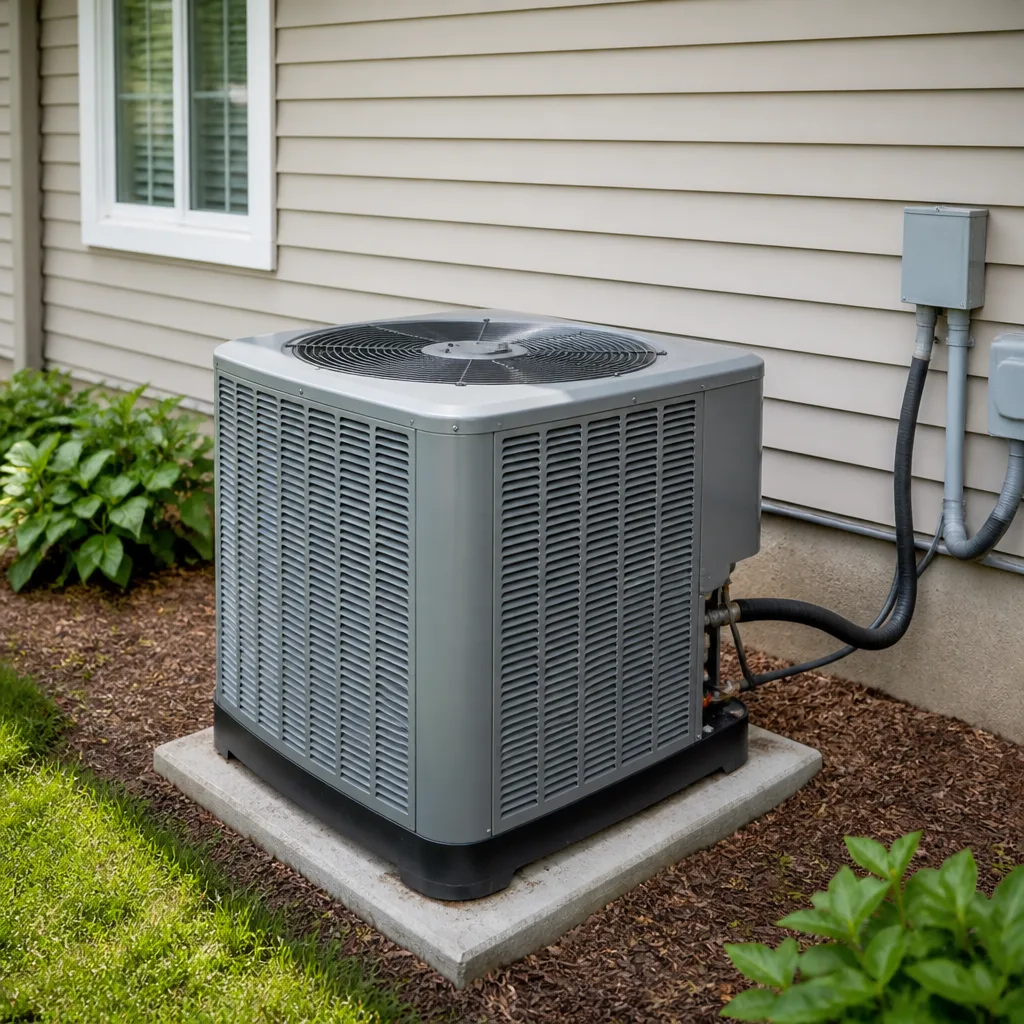 AC repair
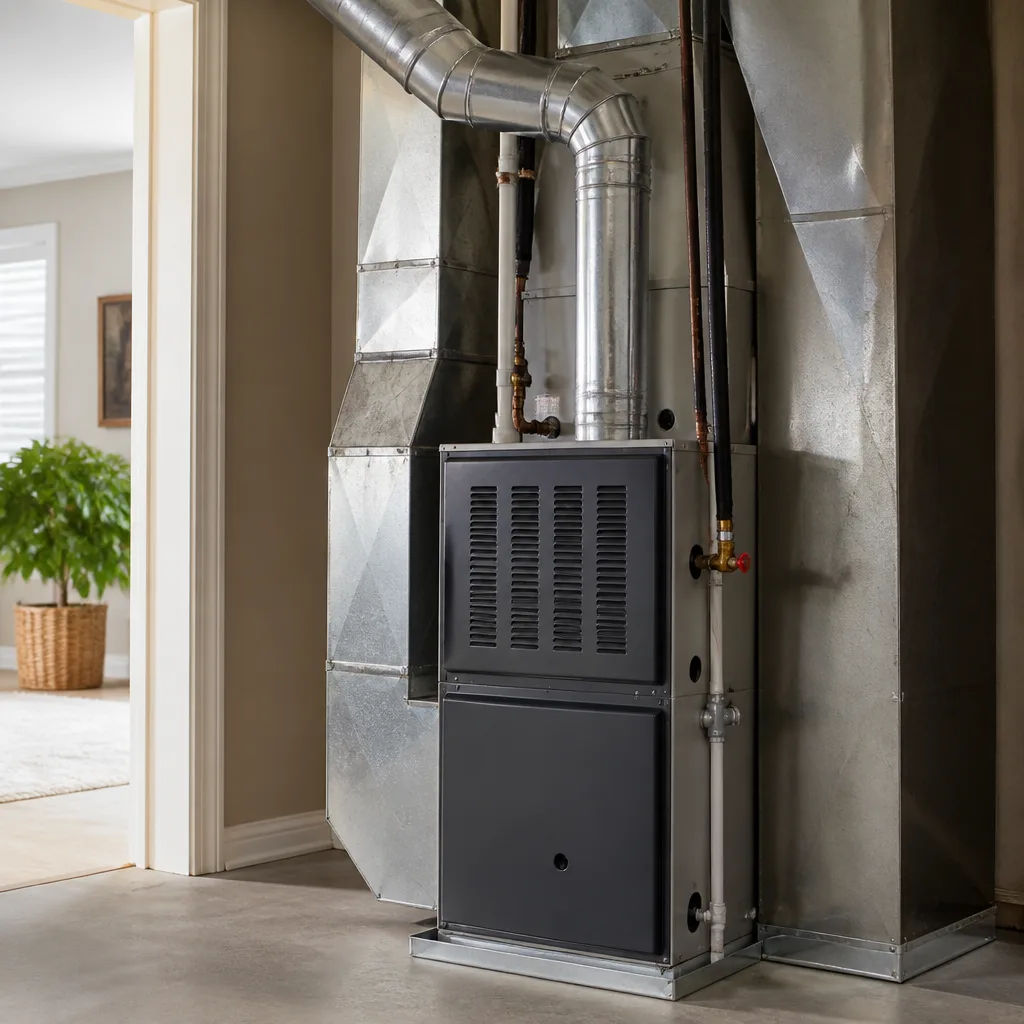 Furnace & heating
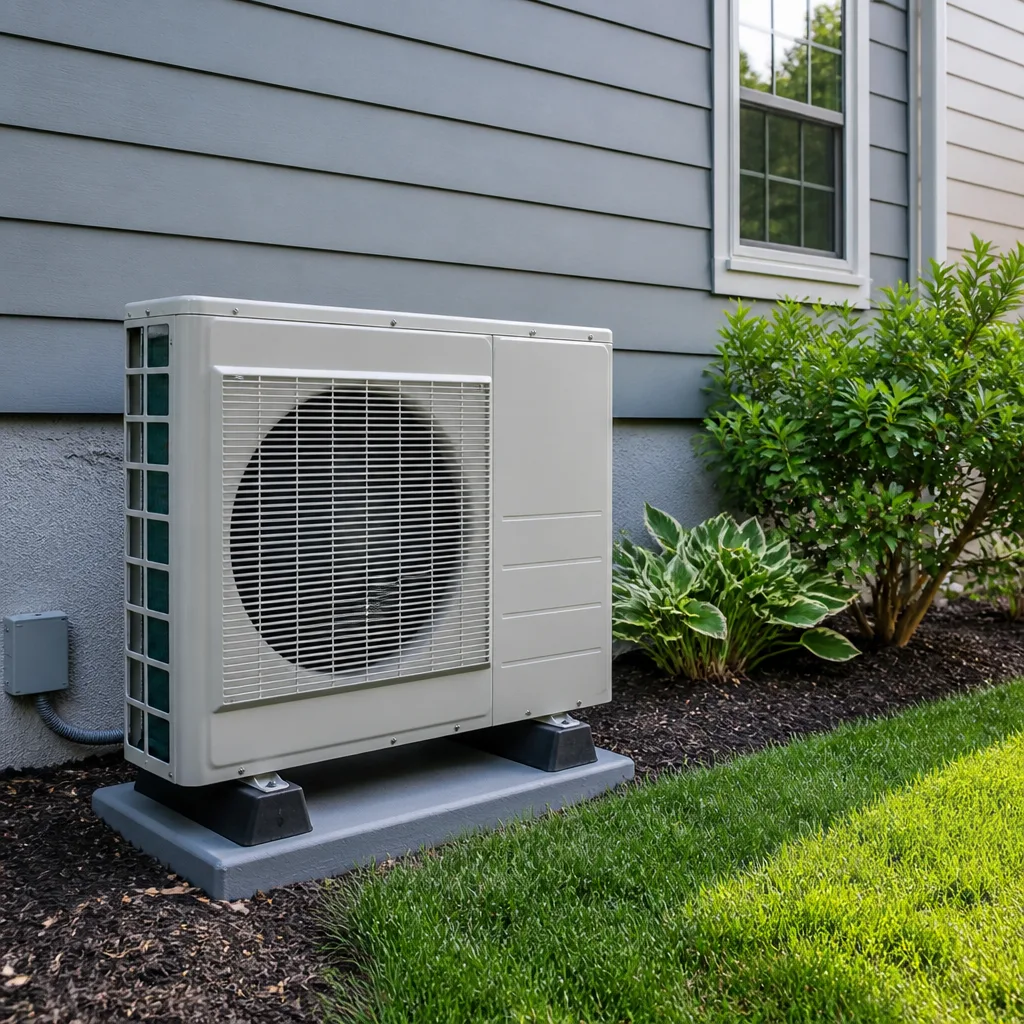 Heat pumps
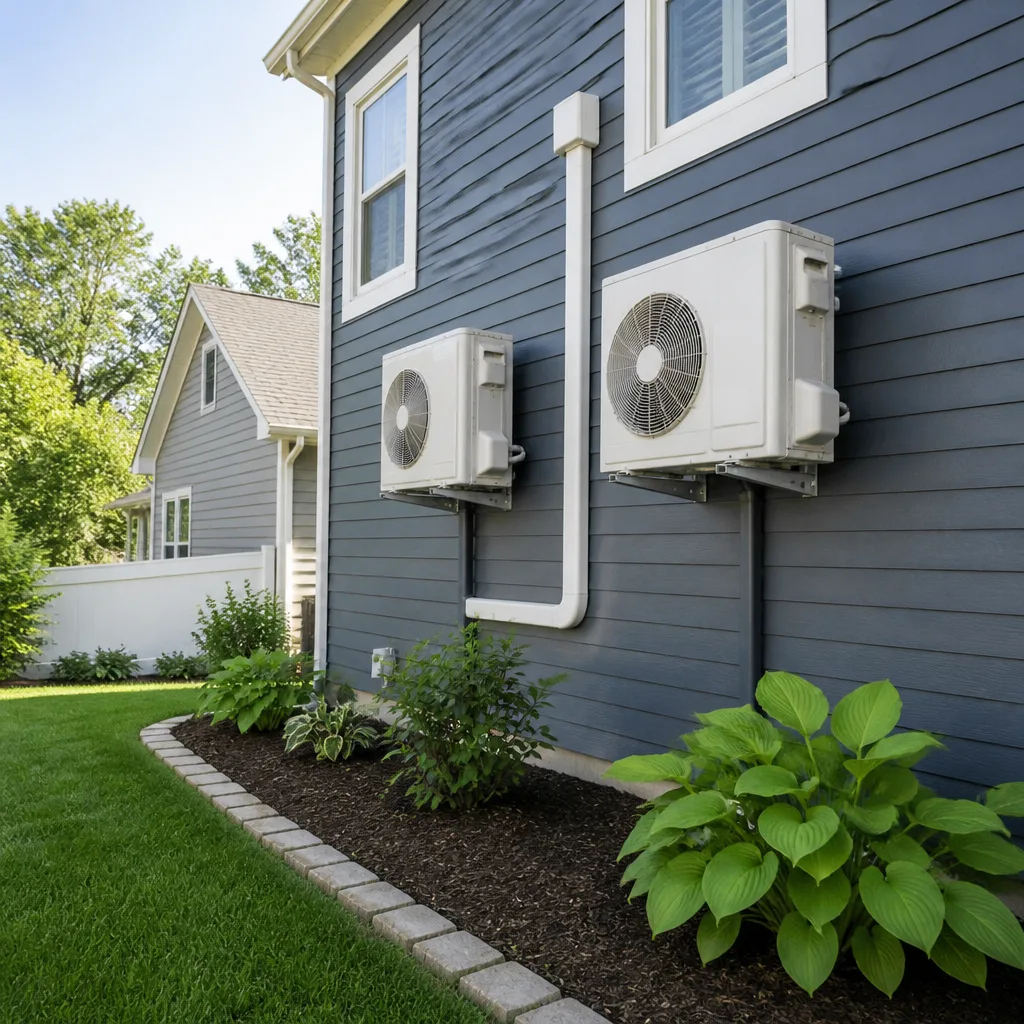 Ductless mini splits
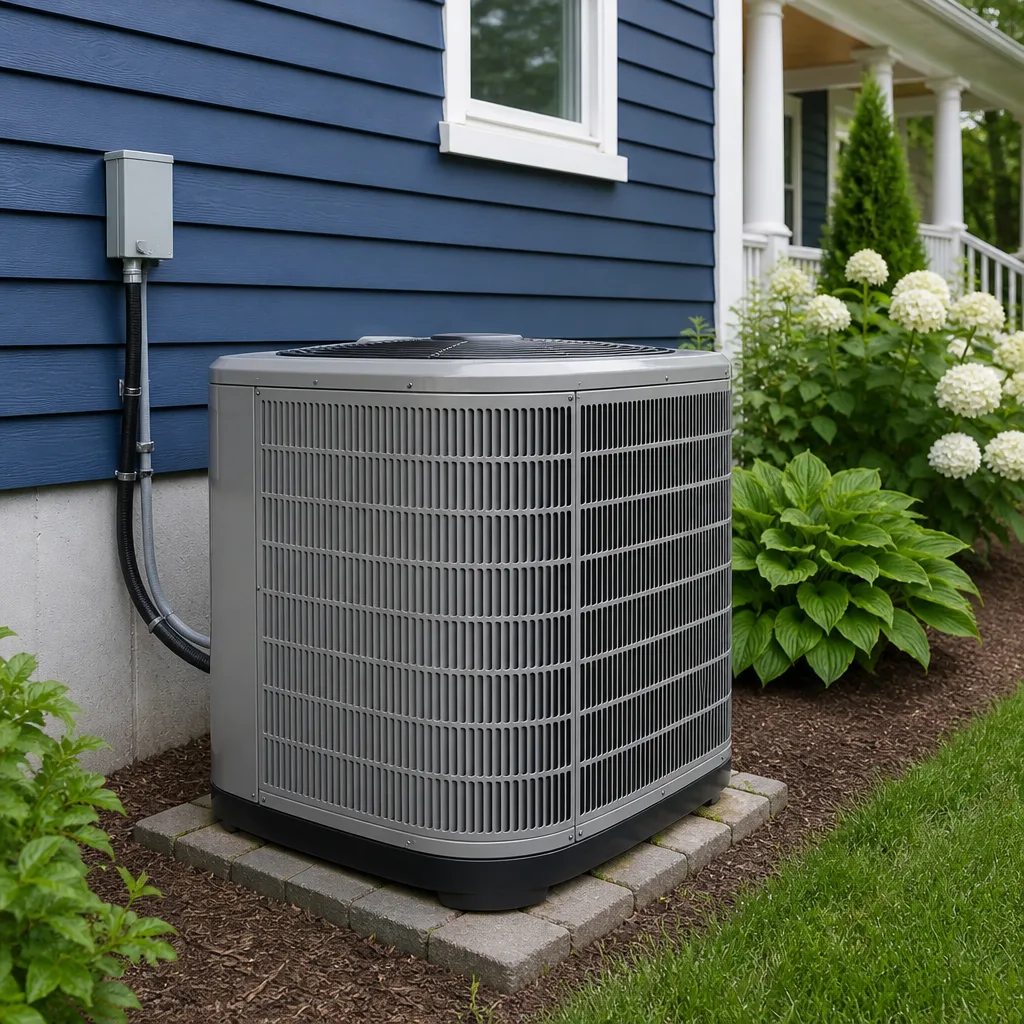 Carrier
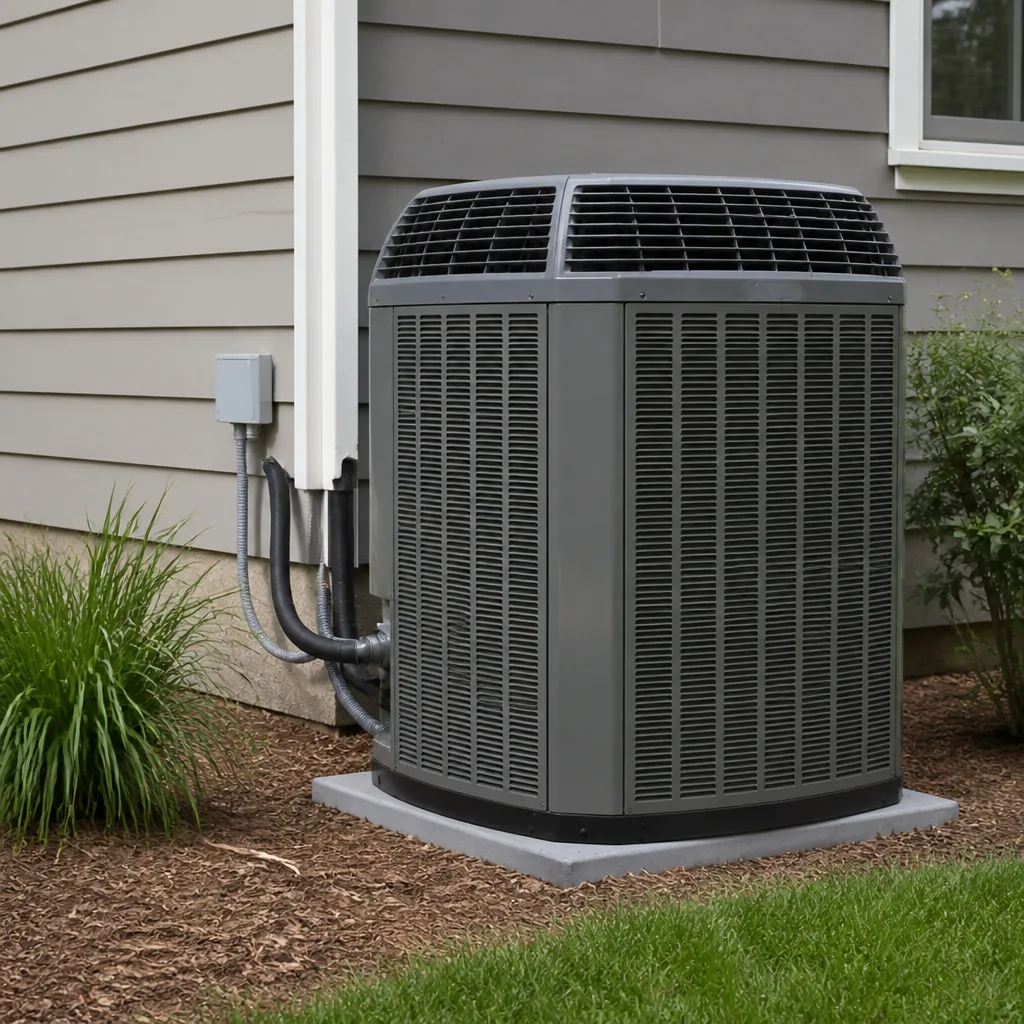 Trane
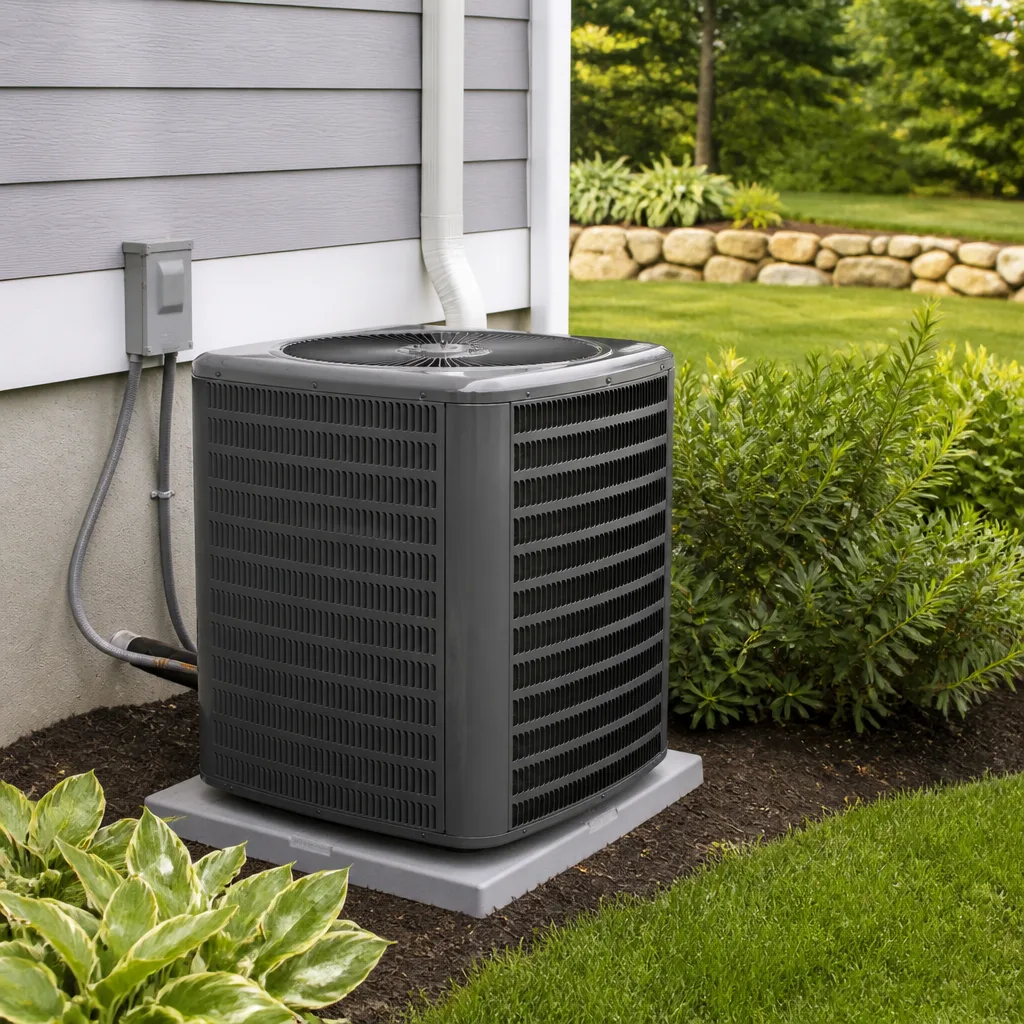 Goodman
Seasonal tune-up and full diagnostic on your Carrier, Trane, or Goodman system - readings shown to you before any repair is proposed
Diagnosis first, numbers second - you approve the repair price before a single part goes in.
Get your free estimateThe Complete AC Installation Guide for East Los Angeles Homeowners
Most homeowners here assume a new air conditioner is a box you buy, and that the brand on the lid is the whole decision. It isn’t. East Los Angeles has its own rules for how a cooling system gets chosen, permitted, and installed, and those rules often matter more than the name on the condenser. The city sits in a heat island that regularly runs several degrees warmer than the coastal neighborhoods people picture when they say “LA,” so a unit picked for a “typical Southern California home” can be behind the curve before the first hot week. This guide walks through load calculations, California Title 24, duct testing, mixed-brand equipment, and the East Los Angeles permit process so you can make an informed choice instead of approving whatever gets recommended.
Quick Answer
A successful AC installation in East Los Angeles starts with a room-by-room heat load calculation, not a square-foot rule of thumb, because the city’s urban heat island pushes indoor gains higher than coastal LA. Your equipment must meet California Title 24 efficiency requirements, the job needs a permit through the correct jurisdiction (unincorporated East Los Angeles versus City of LA), and existing ductwork should pass a pressure and leakage test before any new unit is connected. Get those four things right and the install lasts; skip them and even good equipment underperforms.
Styles & brands we work with
- AC repair
- Furnace & heating
- Heat pumps
- Ductless mini splits
- Carrier
- Trane
- Goodman
Table of Contents
- Why East Los Angeles Heat Loads Are Different
- How a Proper Load Calculation Works
- California Title 24 and What It Means for Your Equipment
- Duct Testing Before Installation
- Mixed-Brand Systems and Compatibility
- Permits and Inspections in East Los Angeles
- The Installation Process, Step by Step
- What AC Installation Costs in East Los Angeles
Why East Los Angeles Heat Loads Are Different
Coastal Los Angeles benefits from afternoon marine air. East Los Angeles doesn’t get that relief. The neighborhood sits inland enough that the ocean breeze arrives weak or not at all, and the dense built environment holds heat into the evening. Pavement, low-rise roofs, and limited tree canopy all radiate warmth back into the streets, so the same house in East Los Angeles has a higher cooling load than a comparable house in Santa Monica or Culver City.
What that means in practice is that a system sized for a coastal lot will run long cycles and still lose ground on the hottest afternoons. A properly sized system in East Los Angeles gets the margin it needs because the load calculation accounts for local conditions, not regional averages. Two factors drive most of the difference:
- Solar gain through the roof and west-facing walls. Afternoon sun on an older single-story roof raises attic temperatures considerably, and that heat radiates down into the living space.
- Limited shade and vegetation. Fewer mature trees around the average East Los Angeles home means less natural cooling than neighborhoods west of downtown.
- Older windows and insulation values. Many homes in East Los Angeles date to decades before current energy standards, so window glass and wall insulation leak heat differently than a new build.
Recognizing this is the first step toward asking your installer better questions. If a contractor quotes you a tonnage based on the square footage alone, ask what load calculation they ran. A real Manual J calculation accounts for orientation, window area, insulation, and local design temperatures, and it’s the foundation the whole install rests on.
How a Proper Load Calculation Works
Manual J is the industry-standard method for figuring out how much cooling a house actually needs. It isn’t a formula you can shortcut with a chart, and any installer who quotes equipment before measuring the house is guessing. Here’s what a real calculation involves:
- Measure every room. Length, width, and ceiling height for each conditioned space, not a single square-foot total.
- Note window type, size, and orientation. West-facing glass in East Los Angeles adds a bigger cooling penalty than north-facing glass of the same size.
- Check insulation and air sealing. Attic insulation depth, wall construction, and how tight the envelope is all change the number.
- Assess duct location and condition. Ducts running through a hot attic lose capacity before the air reaches the register.
- Apply local design temperatures. The calculation should use East Los Angeles conditions, not a county-wide average.
- Determine sensible and latent load. That separates the heat you feel from the humidity the system also has to remove, and it decides tonnage.
Oversizing is the more common error here, not undersizing. A unit that’s too big cools the air fast and shuts off before it removes humidity, which leaves rooms feeling clammy and cycles equipment harder than necessary. Undersizing gets the attention, but oversizing quietly costs you comfort and equipment life. When we run a load calculation, we’re looking for the number the house actually demands, then choosing equipment that matches it within a reasonable tolerance.
California Title 24 and What It Means for Your Equipment
California’s Title 24 energy code sets minimum efficiency for HVAC equipment installed in the state, and it applies to replacements and new installs alike. When you buy a new air conditioner in East Los Angeles, you’re not just picking a system that cools your house; you’re picking one that meets a state standard for efficiency and, in many cases, duct sealing and refrigerant line requirements as well.
Two practical results follow. First, your equipment selection narrows. Not every unit sold nationally clears Title 24 for California, so a contractor who sources from a broad brand range has more room to match your house than one locked to a single manufacturer. Prestige AC Repair services equipment from Carrier, Trane, Bryant, American Standard, and five other major brands, so the recommendation comes from what the house needs rather than what’s in stock. Second, the permit application has to reflect the code requirements, which is why the paperwork stage matters so much. If your contractor handwaves the code question, ask for the specific compliance path they plan to document.
You don’t need to memorize code sections. You do need to ask three questions:
- Which Title 24 requirements apply to my installation?
- Does the quoted equipment meet them?
- Who is submitting the compliance documentation, and will I get a copy?
An installer who knows the answers will say so plainly. One who doesn’t is a risk on a job that will get inspected.
Duct Testing Before Installation
Here’s the part that surprises most homeowners. You can buy a highly efficient new air conditioner and still get mediocre cooling if the ductwork leaks or is undersized. In older East Los Angeles housing, ducts have often been through decades of settling, patching, and attic heat. Before any new unit goes in, they need a pressure test.
A duct leakage test pressurizes the duct system and measures how much air escapes. A static pressure test checks whether the ducts can actually move the airflow the new equipment delivers. Both matter because a new condenser paired with leaky, restrictive ducts is like buying a bigger engine for a car with a clogged exhaust. If the test shows problems, your options usually come down to sealing and repairing the existing ducts or replacing runs that can’t be saved.
What to expect from a proper duct check:
- Access to the attic or crawl space to inspect the duct runs in person
- A pressure gauge and flow hood to measure leakage and airflow
- Documentation of what was found, in writing
- A clear recommendation on sealing versus replacement, with costs for each
If your installer skips this step, the system may still “work,” but it won’t deliver the cooling the equipment is capable of. Ask for the test results before the new unit goes in, and hold onto them.
Mixed-Brand Systems and Compatibility
Many East Los Angeles homes already have an air handler, coil, or furnace from one manufacturer and a condenser from another. That’s normal. Equipment gets replaced piecemeal over the years as parts fail, and the result is a system assembled from different brands. The question is whether the pieces will work together efficiently.
An air handler or furnace matched to a condenser of a different brand can still function, but the matchup matters. Efficiency ratings get certified as matched systems, and mismatched components can knock performance down from the published rating. In some cases, refrigerant charge, airflow, and control wiring need adjustment to compensate. The practical approach is to identify what you already own and then choose the replacement piece that works with it cleanly.
This is where a brand-neutral service model helps. Because we work on equipment from Carrier, Trane, Bryant, American Standard, Lennox, Goodman, Rheem, York, and Daikin, we’re not steering you toward one manufacturer’s solution. Instead, the conversation goes like this:
- Identify the make and model of every existing component.
- Determine whether the equipment is worth keeping in a matched system.
- Recommend a replacement that pairs cleanly with what stays.
- Confirm the resulting combination meets Title 24 for the installation.
If you’re replacing the whole system, brand matters less than the matching and the install quality. If you’re keeping the air handler and furnace, the condenser choice has to fit. Either way, ask for the matched-system documentation so you know what you’re getting. For more on our process, see AC installation.
Permits and Inspections in East Los Angeles
East Los Angeles is a patchwork of jurisdictions. Some addresses sit in unincorporated Los Angeles County, which runs through the county’s building department, while others fall under the City of Los Angeles. That difference affects who reviews your permit, what documentation is required, and how the inspection gets scheduled. Getting this right at the start saves weeks later.
An AC installation is generally a permitted job in both jurisdictions because it involves electrical work, refrigerant handling, and energy-code compliance. The permit application typically includes the equipment specs, the load calculation, and the Title 24 compliance documentation. The inspection checks that what was installed matches what was approved.
Here’s how the sequence should go:
- Confirm jurisdiction. Check which building department has authority over your address before submitting anything.
- Submit the permit application with equipment specs, load calculation, and Title 24 documentation.
- Wait for plan review if required; some instalments are field-reviewed instead.
- Install the equipment after permit approval.
- Schedule the inspection when the installation is complete, and be present if you can.
- Keep the signed inspection card with your records; it matters if you sell the home.
If your contractor suggests skipping the permit, take that seriously. Unpermitted HVAC work can complicate a future sale and may not meet the code requirements your insurance or lender expects. A licensed contractor will pull the permit as a matter of course. Our team handles that paperwork as part of the job; see our East Los Angeles service page for local details.
The Installation Process, Step by Step
From the first call to the final walk-through, a full AC installation in East Los Angeles follows a predictable sequence. Knowing it in advance makes it easier to ask the right questions and spot shortcuts.
- Site visit and load calculation. Your installer measures the house, notes windows and insulation, and runs a Manual J calculation.
- Duct inspection and pressure test. Existing ducts get checked for leakage and airflow capacity; any issues get a written recommendation.
- Equipment selection. You and the installer agree on a system that meets Title 24 and matches your house, existing components, and budget.
- Written estimate. The price is set in writing before work starts, per job, so there are no surprises.
- Permit submission and approval. The contractor pulls the permit through the correct jurisdiction.
- Removal of old equipment. The old unit, refrigerant, and any failing ductwork come out and get disposed of properly.
- Installation. New equipment goes in; lines, wiring, and controls get connected and charged.
- Commissioning. The system is charged, airflow is measured at each register, and the refrigerant is verified against the manufacturer’s specification.
- Inspection. The building department reviews the installation and signs off.
- Homeowner walk-through. You’re shown how to operate and maintain the system, and you get the documentation.
Each step gets skipped by somebody, somewhere. A contractor who walks you through all ten is one to keep.
What AC Installation Costs in East Los Angeles
AC installation pricing in East Los Angeles depends on tonnage, equipment selection, ductwork needs, and permit requirements. Every job is priced individually by written estimate, so treat any published range as a starting point for planning rather than a fixed quote. The two biggest cost drivers are the equipment itself and how much duct work the house needs, and the second one often surprises homeowners.
Costs generally follow these patterns:
- Standard efficiency equipment. The lower end of the range, suitable when the house has good ducts and moderate load.
- Higher efficiency equipment. Higher upfront cost but lower operating cost, and often required to meet Title 24 in specific installations.
- Duct sealing or partial replacement. Adds cost only if the pressure test shows problems; good ducts cost nothing more.
- Electrical work. Some homes need a circuit upgrade to handle the new equipment.
- Permit and inspection fees. Set by the jurisdiction; unincorporated Los Angeles County and City of LA differ.
Ask for a line-item estimate so you can see what each portion costs. Estimates are free, and a straight answer on what your particular house needs is what you want. When a quote seems low, check whether permits and duct work are included. When it seems high, ask which line items account for the difference.
If your existing furnace is on its last leg, it’s worth asking whether to replace it at the same time. Combining a system replacement with duct work can save duplicate labor later. Our furnace repair team handles the heating side if you want one company for the whole job.
Common Mistakes to Avoid
- Sizing by square footage alone. A chart-based tonnage ignores orientation, window area, insulation, and East Los Angeles heat island effects. Ask for the Manual J calculation in writing.
- Skipping the duct pressure test. New equipment on leaky ducts wastes efficiency and can short-cycle. Get the test results before the new unit goes in.
- Choosing brand loyalty over house fit. A name-brand system in the wrong size underperforms a well-matched system every time. The house decides the size; the brand follows.
- Ignoring Title 24. Equipment that doesn’t meet state code can’t be legally installed, and a low bid that ignores the requirement usually hides a problem downstream.
- Assuming the permit is optional. Unpermitted HVAC work complicates resale, may fail a future inspection, and can leave you holding the cost of correction.
- Mismatched components without checking. Replacing only the condenser when the air handler is from a different manufacturer is fine if the system is verified as a matched set; assume nothing.
- No written estimate. Verbal numbers shift. The written estimate sets the price and the scope, and you should have one before work starts.
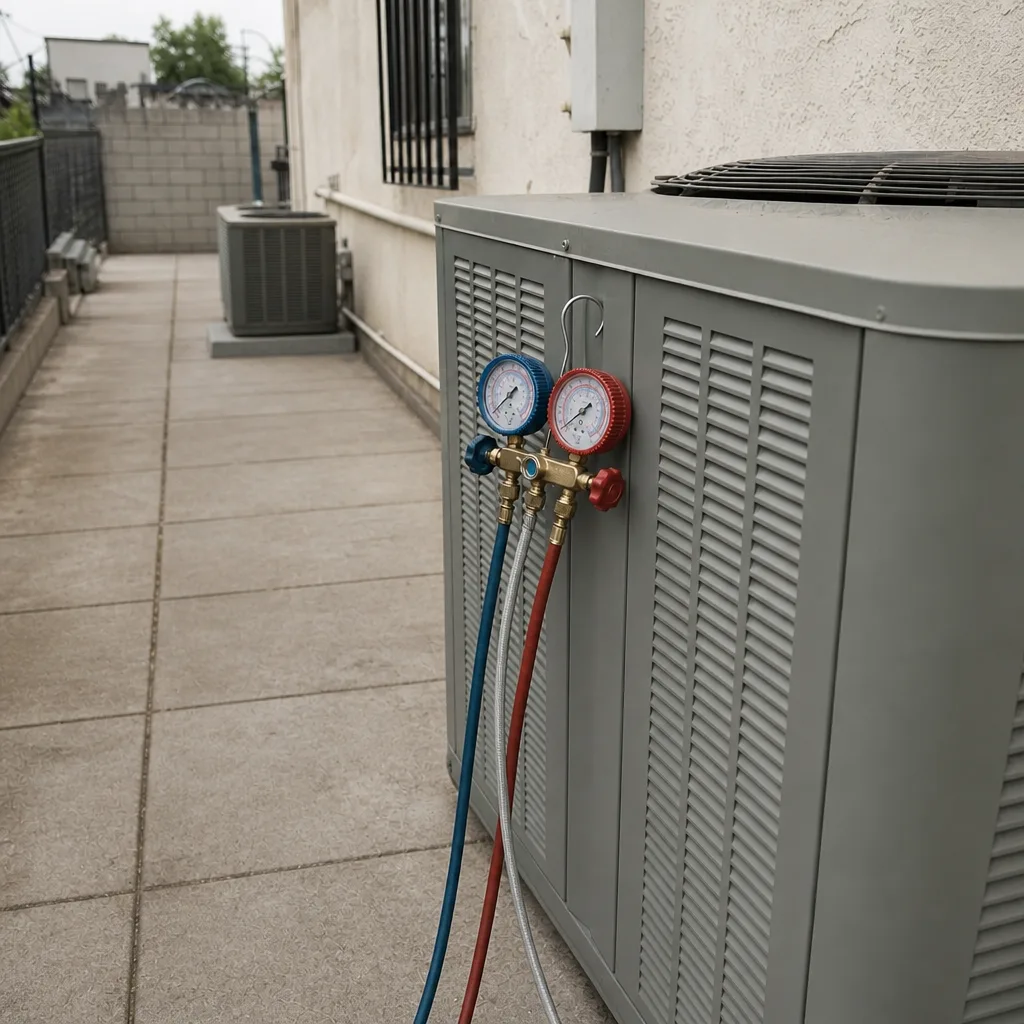
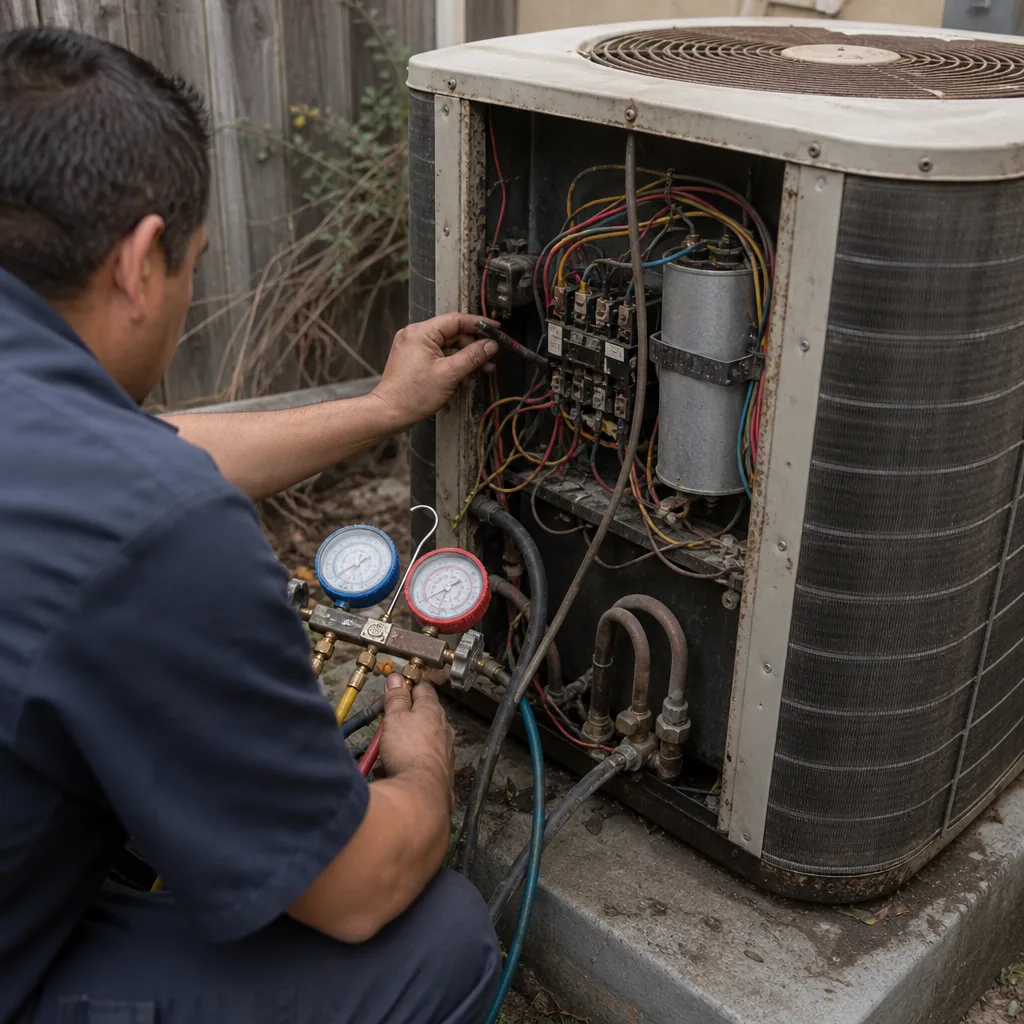
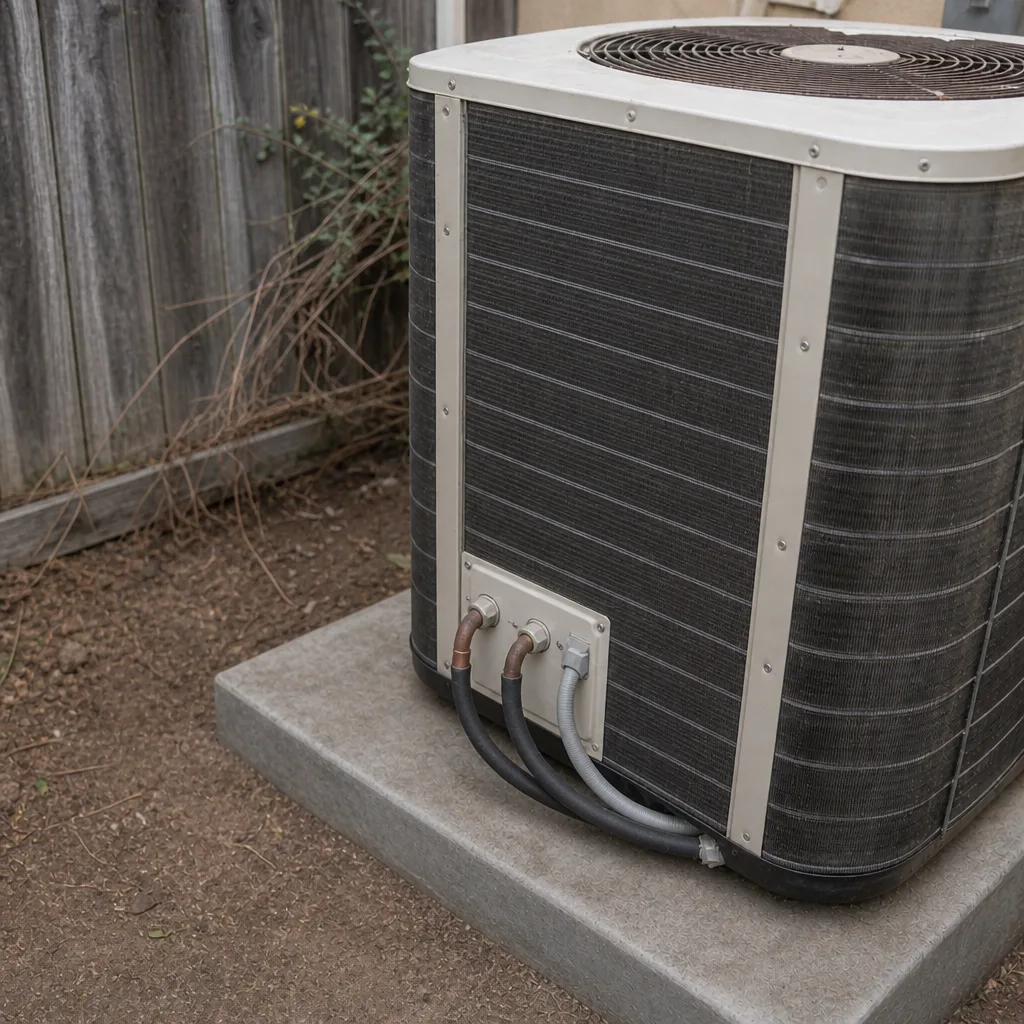
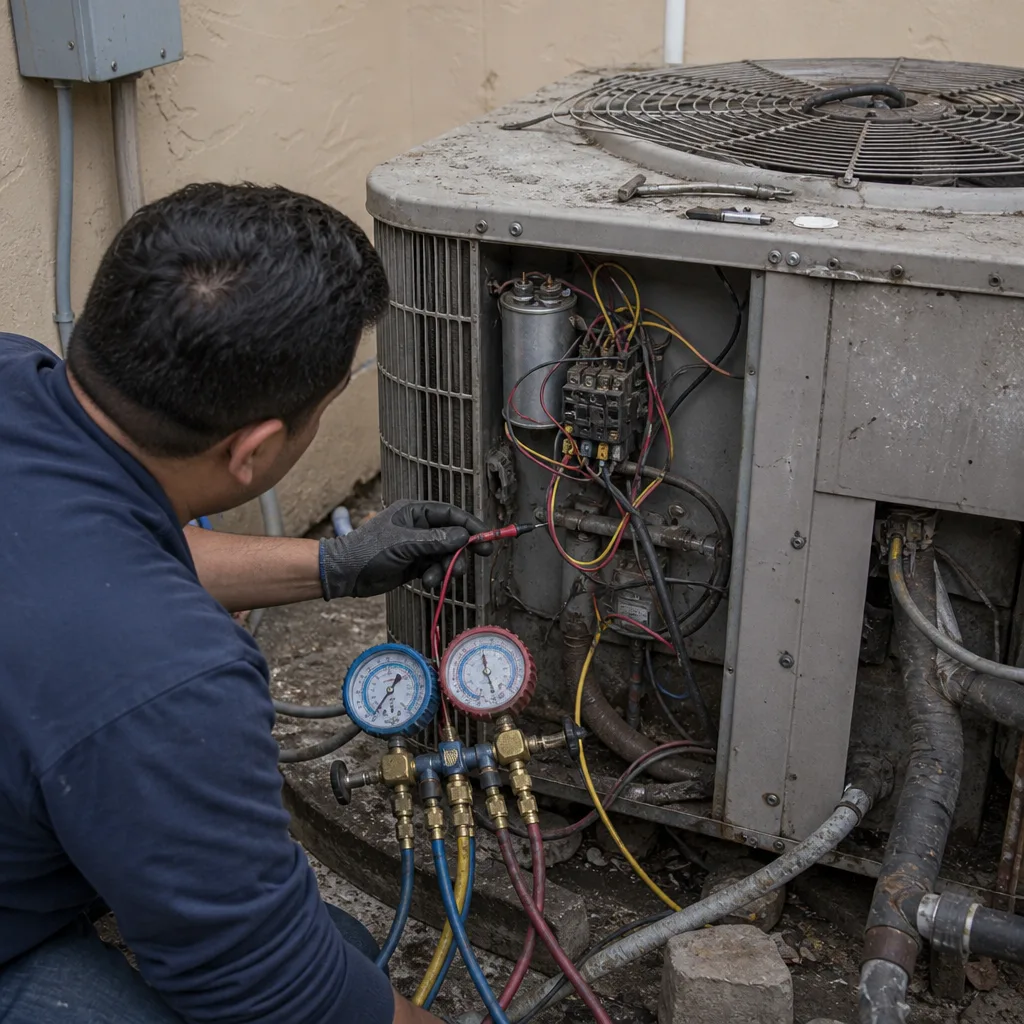
See the difference
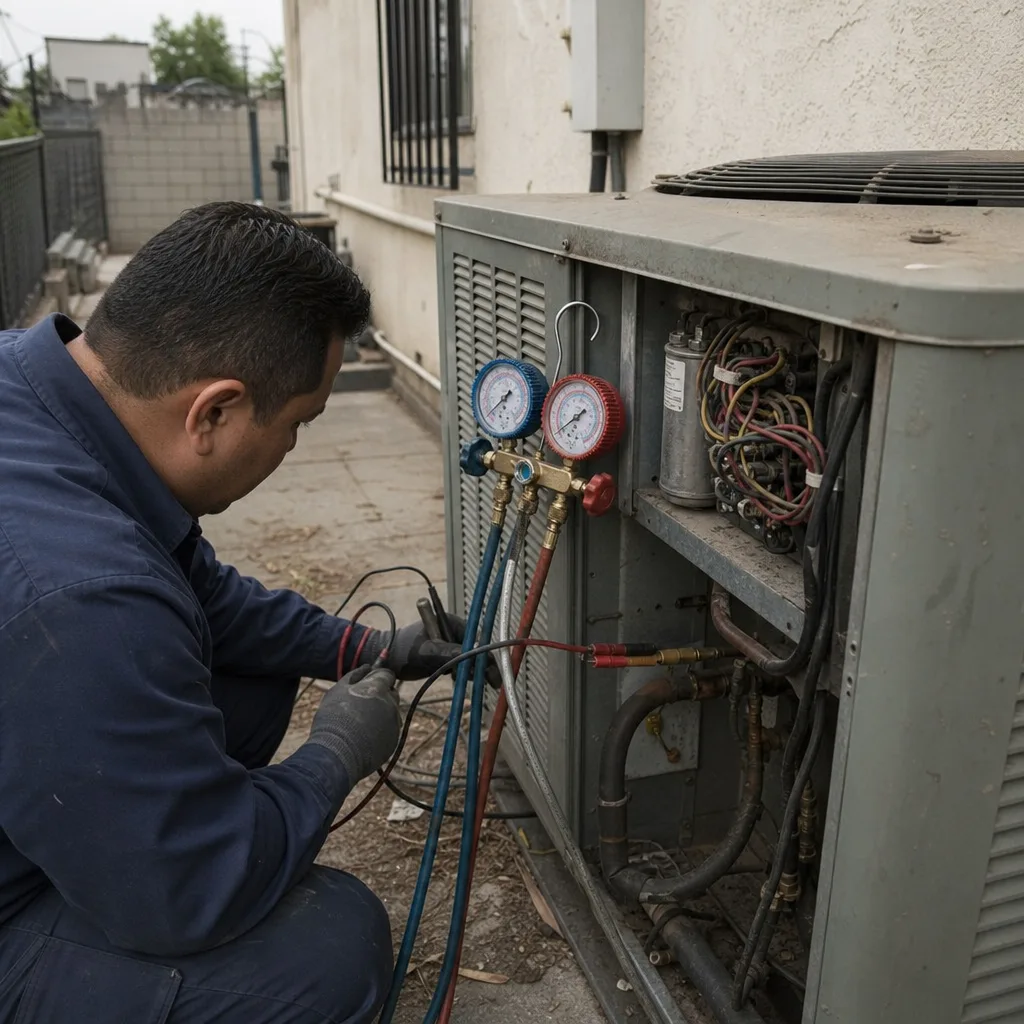 Before
 After
 Before
 After
 Before
 After
When to Call a Professional
Some problems are homeowner-checkable: a tripped breaker, a clogged filter, a thermostat set to the wrong mode. But the moment the problem reaches refrigerant, electrical panels, gas lines, or a system that’s clearly at end of life, it’s time for a trained technician. If your system is more than a decade old and struggling through East Los Angeles summers, if a room never cools while the rest of the house does, if you’re hearing the system cycle on and off every few minutes, or if you’re planning a replacement and want a load calculation rather than a guess, call us. Electrical and refrigerant work are genuinely dangerous to attempt without training, and mistakes there cost more than the repair.
Prestige AC Repair offers free estimates in East Los Angeles. Call (833) 997-6067. We answer 24/7. Fast dispatch from 7am to 7pm, Sunday through Friday.
Frequently Asked Questions
AC installation in East Los Angeles is priced per job by written estimate, and the final number depends on tonnage, equipment efficiency, duct condition, electrical work, and permit fees. Every house is different, so treat any published range as a planning figure rather than a quote. Our estimates are free. Call (833) 997-6067 for an exact quote.
Because East Los Angeles sits in an urban heat island that runs hotter than the coastal neighborhoods, so the same house here has a higher cooling load than the same house in Santa Monica or Culver City. A Manual J calculation for your specific address accounts for that difference. Sizing based on a coastal assumption routinely undersizes the system.
Yes. AC installation generally requires a permit, and the correct building department depends on whether your address falls in unincorporated Los Angeles County or the City of Los Angeles. The permit application typically requires equipment specs, the load calculation, and Title 24 compliance documentation. A licensed contractor pulls it as part of the job.
Title 24 is California’s energy code for buildings, and it sets minimum efficiency and installation requirements for HVAC equipment in the state, including replacements and new installations. It applies to your job. Confirm with your contractor that the quoted equipment meets it and that the compliance documentation is submitted with the permit.
Often yes, but the pairing matters. A mismatched pair can function, but the certified efficiency rating applies to matched systems, so a technician needs to verify the combination works cleanly and still meets Title 24. Identifying the existing equipment first is the right step. Prestige AC Repair works on nine major brands, so we’re not limited to one manufacturer’s answer.
Installation is load-calculated, permitted, and scheduled rather than same-day, because the equipment has to be matched to the house and the permit approved before work starts. We’ll set a firm install date and give you a written price in advance. For repair issues, though, call (833) 997-6067. We answer 24/7. Fast dispatch from 7am to 7pm, Sunday through Friday.
The Bottom Line
A good AC installation in East Los Angeles comes down to four decisions: sizing based on a real load calculation, code-compliant equipment under Title 24, duct testing before the new unit goes in, and a permit through the correct jurisdiction. Get those right and the equipment you choose will perform the way it was designed to. Get them wrong and even top-tier gear will underperform. The brand dialogue is secondary; the house comes first. Our technicians have up to 15 years of experience across Carrier, Trane, Bryant, American Standard, and five other major brands, and the recommendation is based on your house, not on what’s easiest to sell.
Prestige AC Repair handles the whole job: AC installation, furnace repair in the winter, furnace replacement when the heat side reaches end of life, and brand-neutral diagnostics on whatever equipment you already own. To read more about how we approach service, see the Prestige AC Repair main page. If your installation is coming up, call (833) 997-6067. We answer 24/7. Fast dispatch from 7am to 7pm, Sunday through Friday, and the estimate is free.
Written by the team at Prestige AC Repair.