
Last updated November 16, 2026
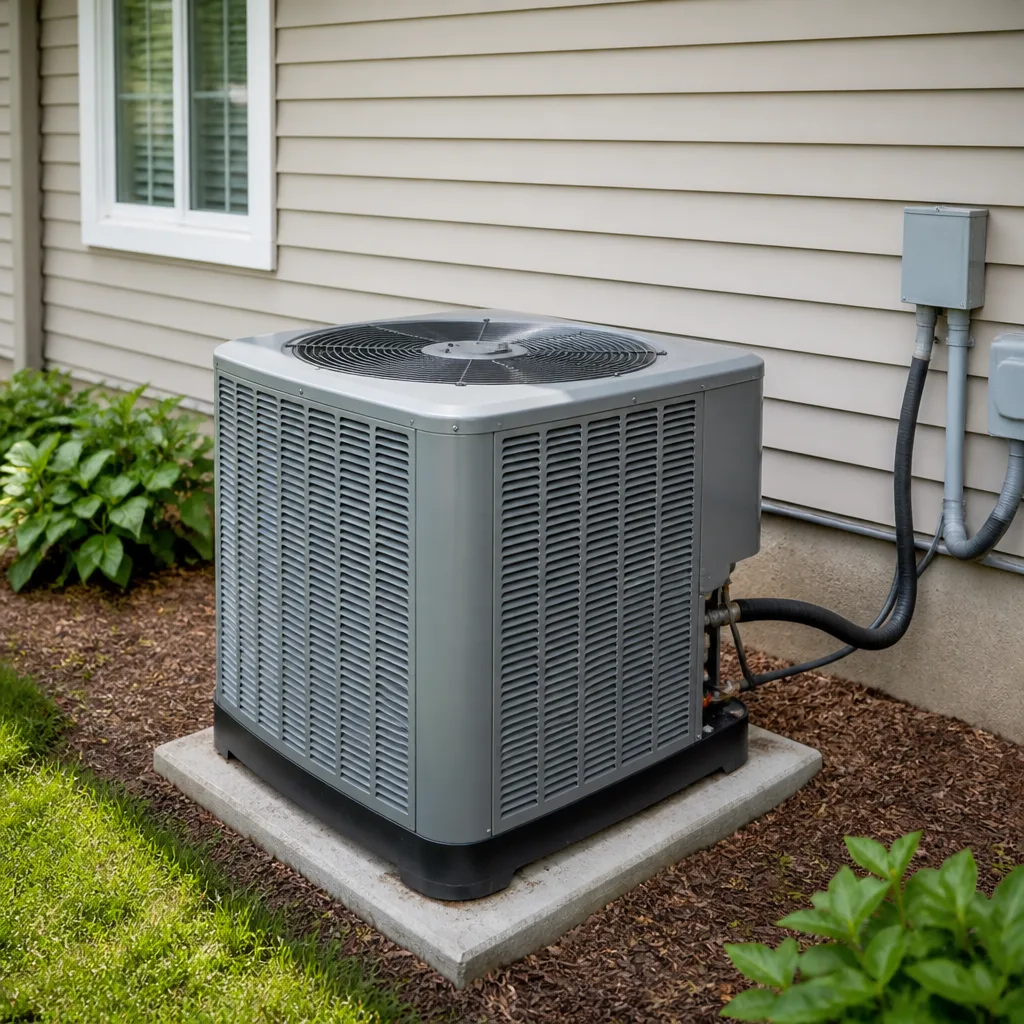 AC repair
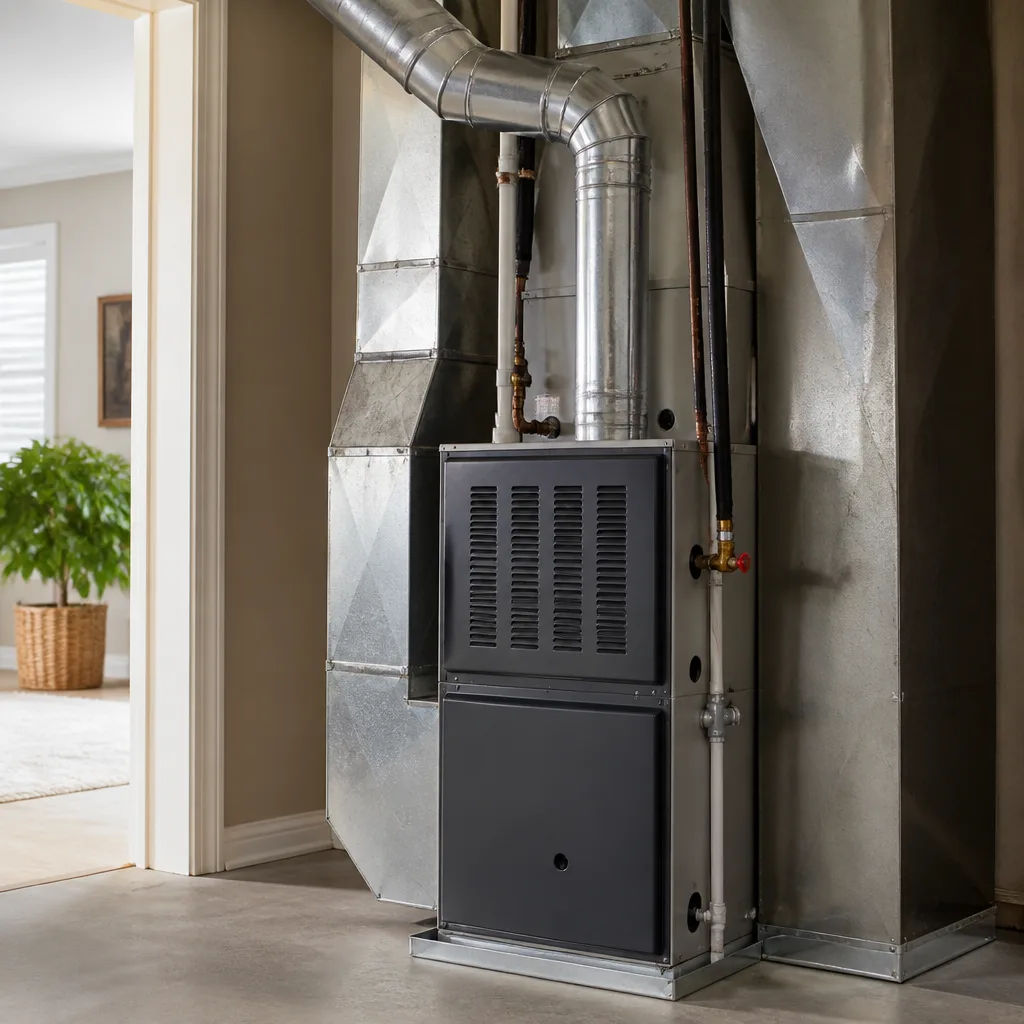 Furnace & heating
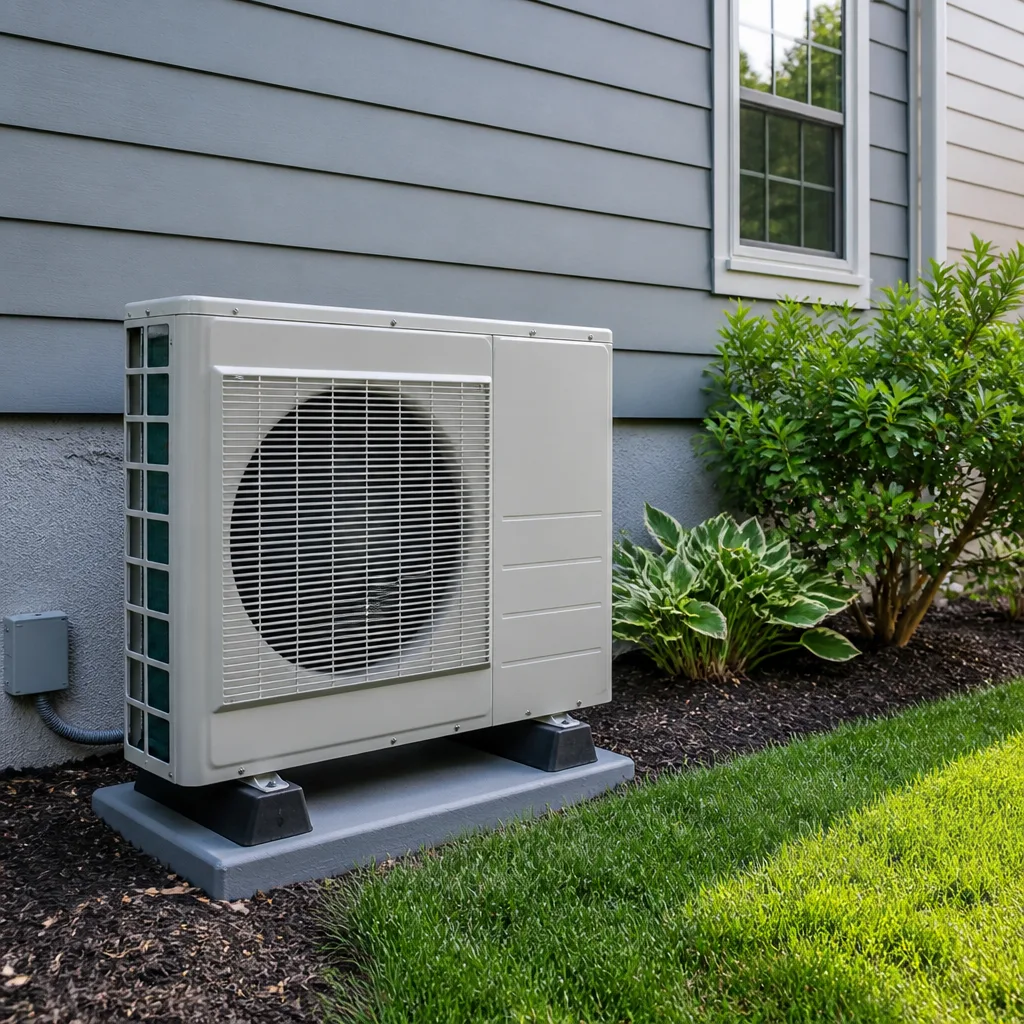 Heat pumps
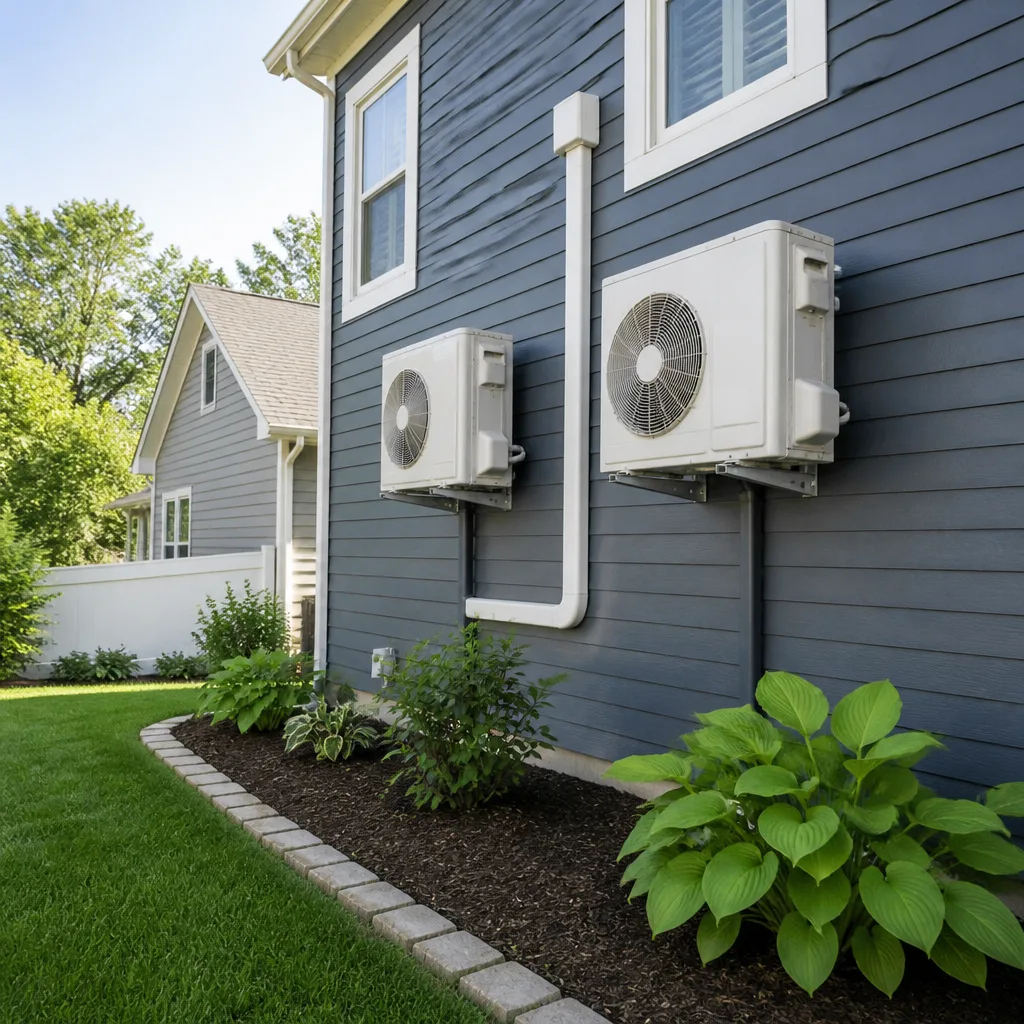 Ductless mini splits
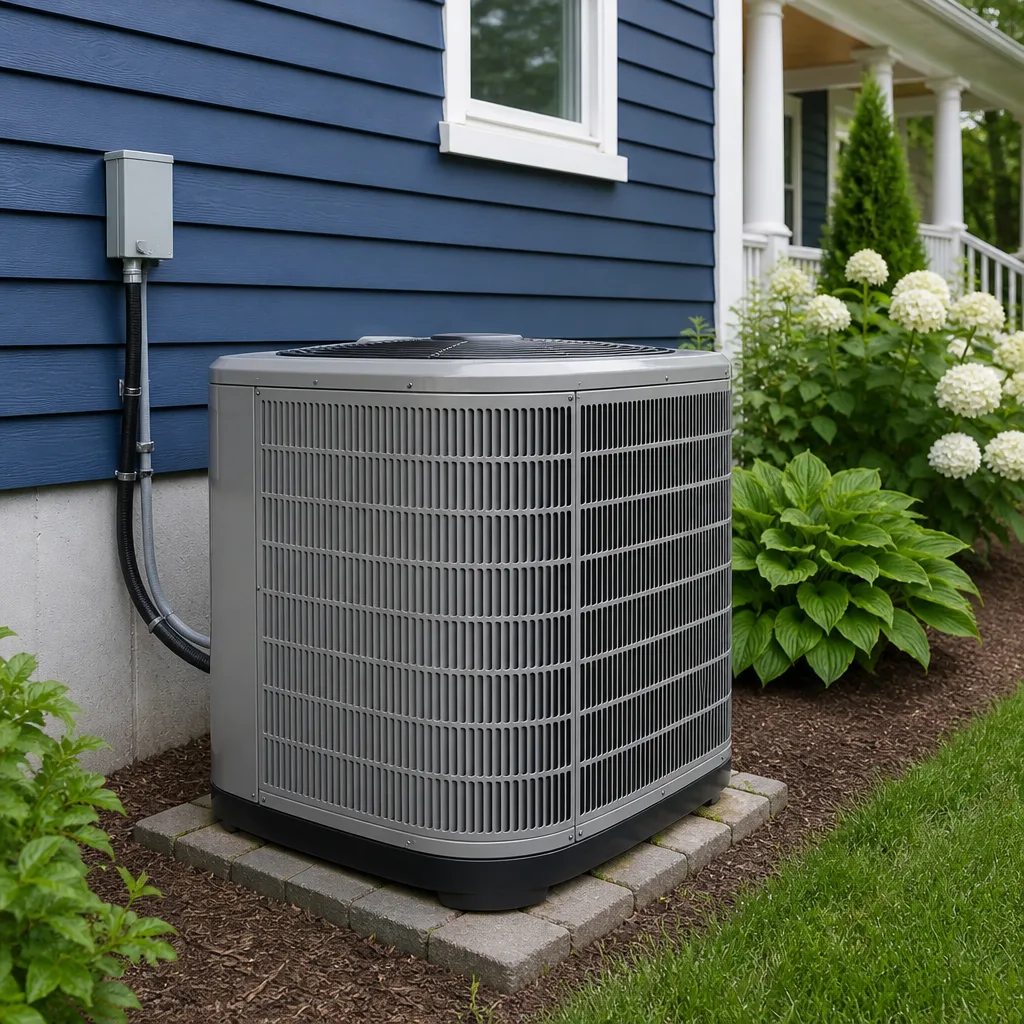 Carrier
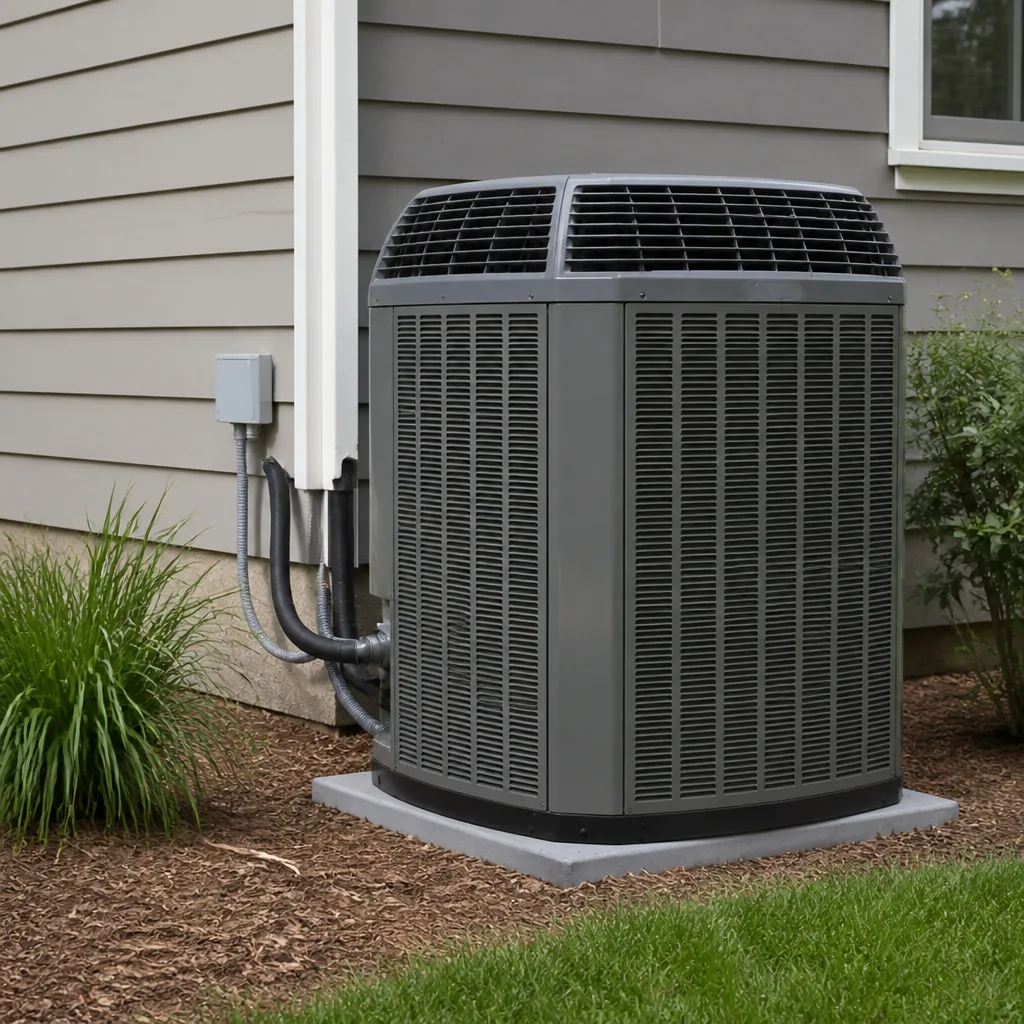 Trane
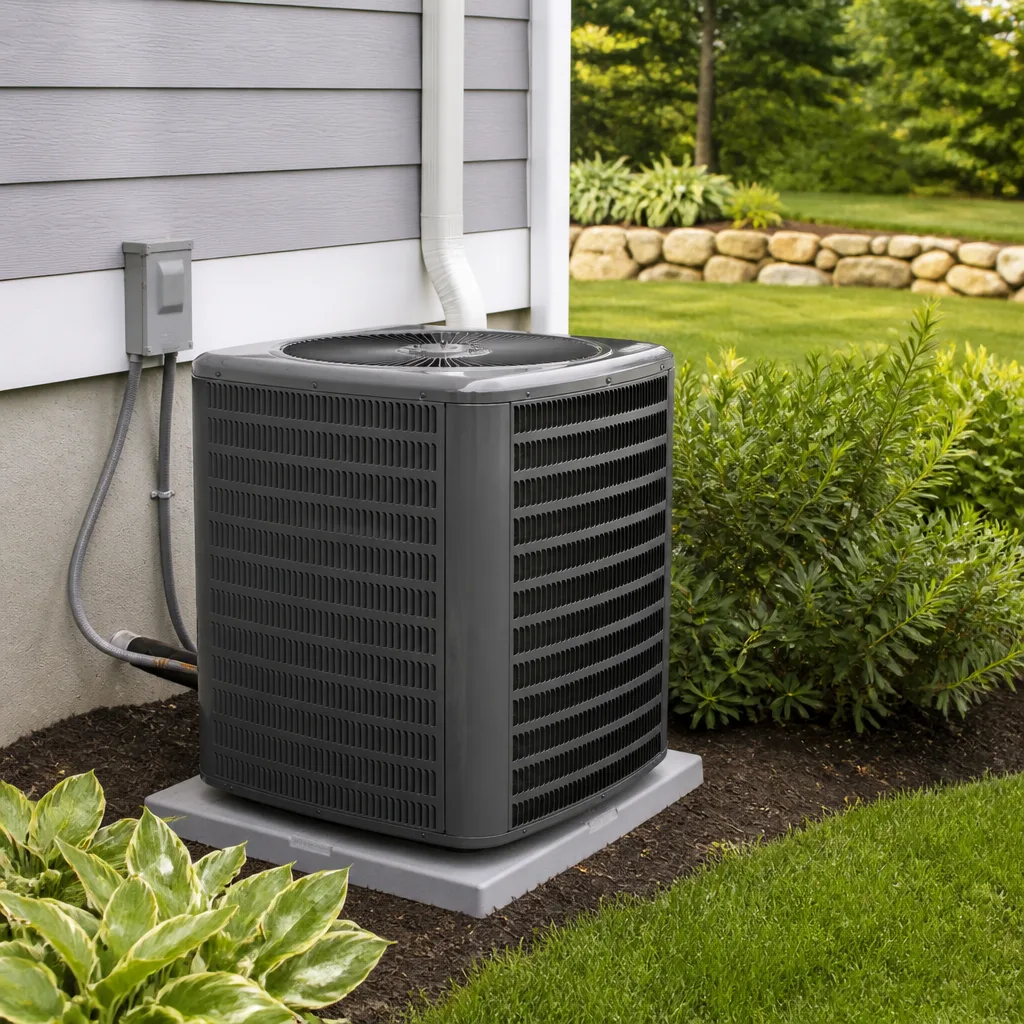 Goodman
Seasonal tune-up and full diagnostic on your Carrier, Trane, or Goodman system - readings shown to you before any repair is proposed
Diagnosis first, numbers second - you approve the repair price before a single part goes in.
Get your free estimateChoosing the Right HVAC Brand: A Buyer’s Guide for East Los Angeles
A top-rated HVAC brand installed by a technician who doesn’t regularly service that equipment will usually underperform a mid-tier brand installed correctly by someone who knows the system inside and out. That’s the counterintuitive truth we run into constantly in East Los Angeles, where homeowners spend weeks comparing brand names before the real decisions – installation quality, local parts availability, and contractor familiarity – go unexamined. Brand matters, but not nearly as much as the national rankings suggest. In this guide, we’ll reframe how you should actually think about HVAC brand selection through the lens of East Los Angeles service realities, so you can walk into a conversation with any contractor and get straight answers. You won’t find a “best brand” list here – you’ll find the framework to identify the right one for your home.
Quick Answer
There is no single best HVAC brand for East Los Angeles – the right brand is the one your service contractor knows thoroughly, has reliable local parts access to, and can match to your existing duct system. For most homeowners in East Los Angeles, a well-matched mid-range system from a brand with strong Southern California parts distribution will outperform a premium system from a brand with limited local support. Installation quality and contractor familiarity consistently matter more than the nameplate on the unit.
Styles & brands we work with
- AC repair
- Furnace & heating
- Heat pumps
- Ductless mini splits
- Carrier
- Trane
- Goodman
Table of Contents
- Why Brand Choice Is the Most Overthought Decision in HVAC
- Local Parts Availability: The ELA Factor Nobody Talks About
- How to Read SEER2 Ratings Against East Los Angeles’s Actual Climate Hours
- Why Duct Matching Beats Brand Tier in Older East Los Angeles Housing
- Premium, Mid-Range, and Builder-Grade at the 10-Year Mark
- The Contractor Conversation: ‘Which Brand Do You Know Best?’
- Brands We Service in East Los Angeles
- Common Mistakes to Avoid
Why Brand Choice Is the Most Overthought Decision in HVAC
Walk into any East Los Angeles home that’s been through an HVAC replacement, and you’ll usually hear the same story: weeks of online brand research, three or four contractor quotes, and a final decision made largely on the name printed on the outdoor unit. The problem is that brand name is doing far less work than the homeowner thinks. Once a system leaves the factory, its performance is shaped overwhelmingly by three things: how well it was sized for the house, how carefully the refrigerant lines and electrical were run, and whether the installer commissioned the system correctly.
Here’s the part that surprises people. Two identical Carrier units installed on the same street in East Los Angeles can perform very differently. One might deliver rated efficiency for a decade; the other might lose capacity within a few summers. The difference isn’t the brand – it’s the install. Airflow balancing, static pressure, refrigerant charge verification, and thermostat placement decide more about comfort and efficiency than the badge on the cabinet.
This isn’t a knock on premium brands. Carrier, Trane, and Lennox all build genuinely excellent equipment. But a brand choice is really a matchmaker decision: which manufacturer’s design philosophy, parts network, and service ecosystem best fits the contractor who will actually maintain the system for the next ten to fifteen years. Frame brand selection that way and you’ll make a better decision than 90% of buyers.
If you’d rather have this conversation in person before committing, Prestige AC Repair walks East Los Angeles homeowners through exactly this reframe before a single dollar is quoted.
What actually matters, in order
- Contractor familiarity with the specific brand and model family. A tech who’s worked on 200 Rheem systems will spot a failing control board faster than one seeing the platform for the first time.
- Local parts availability. A failed compressor in a brand with two regional warehouses can sit for days. A brand with deep LA-basin distribution gets fixed.
- Correct sizing and duct matching. Manual J load calculation against your home’s actual envelope, not a rule of thumb.
- Installation quality and commissioning. Verified charge, verified static pressure, verified airflow.
- Brand and model tier. It matters – just last, not first.
Local Parts Availability: The ELA Factor Nobody Talks About
Parts availability is the single most underrated factor in HVAC brand selection for East Los Angeles, and it’s almost never mentioned in national buyer’s guides. When your AC fails in August, the question that decides how long you’ll be uncomfortable is not “which brand is most reliable” – it’s “how fast can my contractor get a replacement part for this specific model.” Those are very different questions.
The LA basin is one of the deepest HVAC distribution markets in the country, but the depth isn’t uniform across brands. Carrier, Trane, Rheem, Goodman, York, and Daikin all maintain strong regional distributor networks across Southern California. Premium brands like American Standard and Bryant (a Carrier sibling) also have solid coverage because they share supply chains with their higher-volume parent lines. Where delays show up is with niche or discontinued premium models whose parts must be sourced from out of state.
How to check parts availability before you buy
- Ask your contractor: “Where do you source parts for this brand, and how long is the typical lead time for a control board or blower motor?”
- A good answer names an actual local distributor branch you could drive to.
- A weak answer is “we order it from the manufacturer” with no timeframe.
- Ask what happens if a part is backordered – will they offer a loaner or temporary fix?
- Confirm the model isn’t a discontinued line with shrinking parts support.
In our experience servicing East Los Angeles neighborhoods, the practical effect is measurable. Goodman and Rheem parts sit on shelves across multiple regional counters, so a mid-summer repair turnaround stays tight. Some premium imports with limited local stocking can push a straightforward repair into a multi-day wait, even when the underlying parts failure is identical. That’s a parts-distribution fact of life, not a knock on the equipment.
When your existing equipment fails and speed matters, our furnace repair and AC repair teams work on whatever brand you own, and we tell you honestly if a part is going to take time to source.
How to Read SEER2 Ratings Against East Los Angeles’s Actual Climate Hours
SEER2 ratings are calculated against a national climate model, but your comfort and your bill are shaped by East Los Angeles’s actual cooling hours. That gap matters. A system rated at 15.2 SEER2 versus 17 SEER2 might look like a clear win on paper, but the real savings depend on how many hours a year the compressor runs on high load, and in East Los Angeles those hours cluster into a specific seasonal pattern rather than spread evenly across a national average.
Two practical implications for East Los Angeles homeowners:
- Cooling hours dominate; heating hours are modest. East Los Angeles doesn’t see the winter load of a colder climate, so an ultra-high-efficiency heat pump optimized for cold-climate performance is usually over-spec here. A well-matched cooling-first system spends its money where it counts.
- Part-load performance matters more than peak rating. Modern variable-speed systems shine in shoulder seasons and moderate-temperature afternoons. If you’re choosing between a 2-stage and variable-speed unit, the variable-speed’s efficiency gain is often more visible in East Los Angeles’s long shoulder season than the nameplate SEER2 difference suggests.
Reading the rating honestly
- Compare SEER2 (cooling) and HSPF2 (heating) separately. Don’t average them into one number.
- Weigh SEER2 more heavily for East Los Angeles homes, since cooling is the dominant load.
- Ignore EER2 only if you never see triple-digit afternoons – which isn’t the case in East Los Angeles. EER2 reflects peak-load efficiency, which is exactly what a hot afternoon stresses.
- Ask what efficiency the system will actually deliver once duct losses are factored in. A 17 SEER2 unit on leaking ducts can behave like a 13 SEER2 system.
The rating is a starting filter, not the finish line. Every brand we service – Rheem, York, Daikin, Bryant, Carrier, Trane, Lennox, Goodman, and American Standard – offers equipment across the efficiency spectrum, and the right pick depends on your home’s load profile.
Why Duct Matching Beats Brand Tier in Older East Los Angeles Housing
Much of East Los Angeles’s housing stock was built before modern duct standards, and it shows. Undersized returns, leaked joints, kinked flex runs in tight attics, and boots that were never sealed at the register – all of these quietly bleed efficiency from even the highest-end equipment. This is the factor that most surprises homeowners when they upgrade to a premium brand and find their comfort barely improves.
A well-matched mid-range system on a sealed, properly sized duct system will consistently outperform a premium system on the original 1960s ductwork. That’s not marketing talk – it’s physics. If 20% of your cooling is leaking into an attic, the brand name on your condenser doesn’t get any of it back.
What a proper duct match involves
- Static pressure test. Measures resistance the blower sees. High static pressure starves the coil and shortens equipment life.
- Room-by-room airflow verification. Confirms the system can actually deliver rated CFM to each register, not just the closest ones.
- Return sizing check. Undersized returns are the most common hidden defect in older East Los Angeles homes.
- Duct leakage assessment. Even before duct replacement, sealing the worst leaks preserves a large share of the efficiency you’re paying for.
- Register and grille sizing review. A correctly sized system still struggles behind undersized diffusers.
We’ve seen East Los Angeles homes where the brand debate was never the real issue – the duct system was starving the equipment. Once the ducts were brought up to spec, the original equipment performed like new. Before you spend extra on a premium tier, have the ducts assessed. Our AC installation process starts with that assessment, so the equipment you buy matches the home it’s going into.
Premium, Mid-Range, and Builder-Grade at the 10-Year Mark
Ten years is the honest yardstick for HVAC value, and it’s where the brand tiers diverge most clearly – though not the way you might expect. Here’s what we’ve observed across the tier bands in the East Los Angeles market:
- Builder-grade (base tier from Goodman, York, Rheem, and similar): Typically delivers 10 to 15 years of service with light maintenance. The compressor is usually the limiting factor if the system wasn’t commissioned well. Repair parts are usually cheap and locally available, so repair costs stay low year over year. Value per dollar is often the highest of any tier – as long as install quality was solid.
- Mid-range (two-stage, better coil construction, from Carrier, Bryant, Lennox, Trane, Daikin): Often reaches 12 to 18 years with maintenance. Better coil coatings and cabinet construction slow the corrosion that eventually kills builder-grade equipment. Repairs cost more per event but occur less often. The sweet spot for most East Los Angeles homeowners.
- Premium (variable-speed compressors, advanced communicating controls, from Trane, Carrier, Lennox, American Standard): Can reach 15 to 20 years. The efficiency gains hold up longer because the equipment runs at lower capacity more of the time, which reduces wear on the compressor. The trade-off: repairs cost more and parts may take longer to source if the model has been superseded.
The realistic failure picture
The patterns we see most often are consistent. Capacitors and contactors fail on every tier within 5 to 10 years; they’re inexpensive across all brands. Blower motors last roughly 10 to 15 years regardless of tier. Coils are the big differentiator – premium coil construction and coatings tend to hold up several years longer than builder-grade under the same conditions. Compressors are the least foreseeable failure across every tier; a well-installed builder-grade compressor often outlives a poorly installed premium one.
That last point is the one East Los Angeles homeowners should carry into the showroom. At the 10-year mark, installation quality beats brand tier for total cost of ownership more often than not.
The Contractor Conversation: ‘Which Brand Do You Know Best?’
This is the question that should anchor your whole selection process, and it’s the one almost no homeowner asks. The right answer isn’t “all of them” – a contractor who claims equal depth on every brand is telling you what you want to hear. The useful answer names specific brands, explains why those are the ones the team services most, and gives you confidence that a technician pulling up to your home has genuine depth on your equipment.
How to have the conversation
- Ask: “Which brands does your team service most often, and why?” Listen for a reason grounded in local service reality – parts access, parts reliability, common models in the neighborhood.
- Ask: “How do you decide repair versus replace on a 12-year-old system?” A good answer depends on parts cost, age, and efficiency drop – not on the replacement margin.
- Ask: “Will a different contractor who rarely sees this brand struggle to service it?” The honest answer is usually yes for niche models.
- Ask: “What does your own house run?” Any experienced team has worked on enough equipment to have a professional opinion. Whether the answer is Rheem, York, Daikin, Bryant, or another brand, listen for reasoning rather than a sales pitch.
- Ask: “What’s the plan if the brand you recommend turns out to have a backordered part?” The right contractor has an answer that isn’t “wait.”
We’re brand-neutral in exactly this sense: our technicians service nine major brands – Carrier, Trane, Lennox, Goodman, Rheem, York, Daikin, Bryant, and American Standard – and our recommendations are driven by your system’s condition and your home’s needs, not brand affiliation. If you’re near East Los Angeles and want a candid conversation, we’re happy to have it. For more information about our service area, visit East Los Angeles.
Brands We Service in East Los Angeles
Homeowners in East Los Angeles own a wide range of equipment, and having a single company that can confidently service all of it removes a lot of friction from the year. Our technicians have up to 15 years of experience working on the following nine brands:
- Carrier – one of the deepest parts networks in the LA basin; the parent design lineage also covers Bryant.
- Trane – strong premium reputation; parts are well-distributed across Southern California.
- Lennox – common in mid-range and premium homes; service depth matters on communicating controls.
- Goodman – builder-grade bread and butter; parts are widely stocked and usually cheap.
- Rheem – strong balance of reliability and parts availability across every tier.
- York – solid builder-grade and mid-range equipment; parts networks are dependable.
- Daikin – strong in ductless and heat pump applications; a growing local presence.
- Bryant – shares Carrier’s supply chain and parts coverage.
- American Standard – premium tier with solid regional support.
This is the list we cover – we won’t guess at brands we don’t regularly service, because guessing is how your equipment ends up worse off than it started. If your system is one of these nine, we know its quirks and we know where the parts come from.
What brand-neutral diagnostics actually look like
When our technician diagnoses your system, the recommendation is drawn from the equipment’s condition, age, and the cost of the specific repair – not from which brand we prefer. That means the answer to “repair or replace?” can go either way from visit to visit, because the equipment decides the answer, not the sales target. Because we handle both heating and cooling, the same conversation applies to furnace repair as it does to AC diagnosis. Full system replacement is available when the honest answer is replacement, and honest repair is available when the system has years left. You get the whole conversation from one company, from new AC installation through end-of-life furnace replacement.
Common Mistakes to Avoid
- Choosing a brand before knowing which contractor will install it. The install crew decides more about performance than the nameplate. Pick the contractor, then the brand the contractor knows best.
- Assuming national “best brand” rankings apply to East Los Angeles. National rankings weight factors like nationwide dealer coverage that don’t reflect LA-basin parts availability or local service depth.
- Buying a premium tier without checking the duct system. East Los Angeles’s older housing stock often needs duct work more urgently than a higher-tier condenser. The ducts are almost always the bigger lever.
- Ignoring SEER2 in favor of SEER “marquee numbers” you saw on a brochure. Old SEER ratings aren’t comparable to SEER2 – the test standard changed. Compare like to like.
- Taking the “which brand do you recommend” answer at face value without asking why. A brand-agnostic contractor should be able to justify the recommendation with system condition, parts access, and your home’s load profile – not preference.
- Replacing a working compressor-tier system because a repair quote felt high. Ask for a second opinion from someone who services multiple brands. A repair can often be the right call on equipment with strong years remaining.
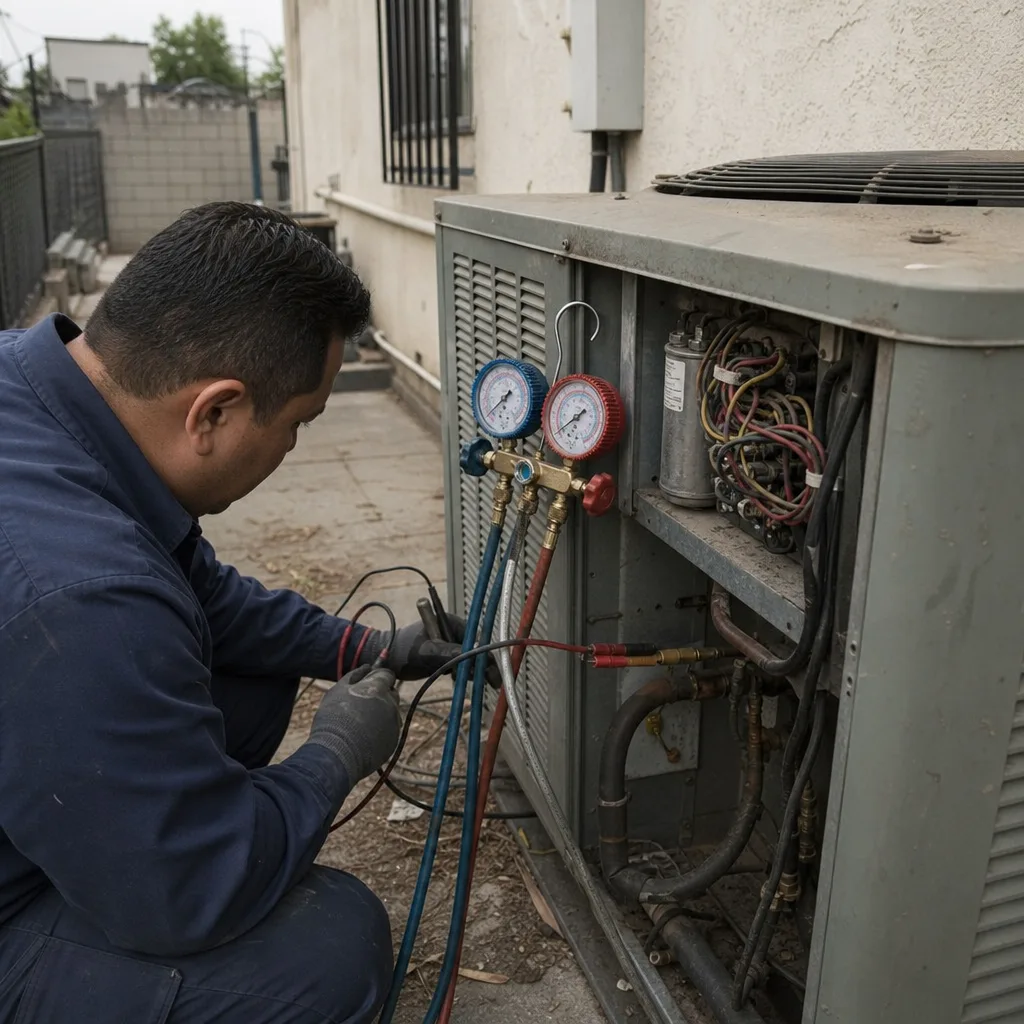
- Skipping installation verification. Ask to see the refrigerant charge and static pressure readings after install. It’s a fair question and a good contractor expects it.
See the difference
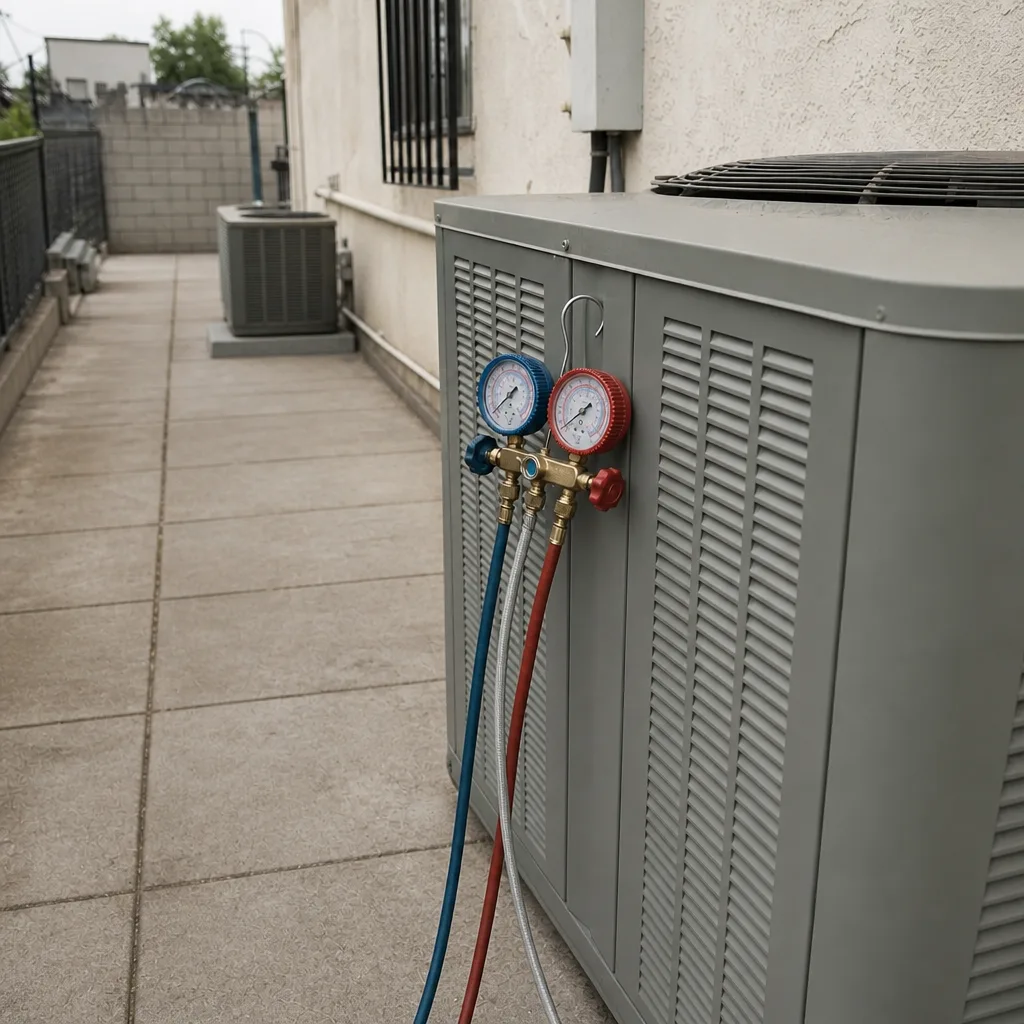
 Before
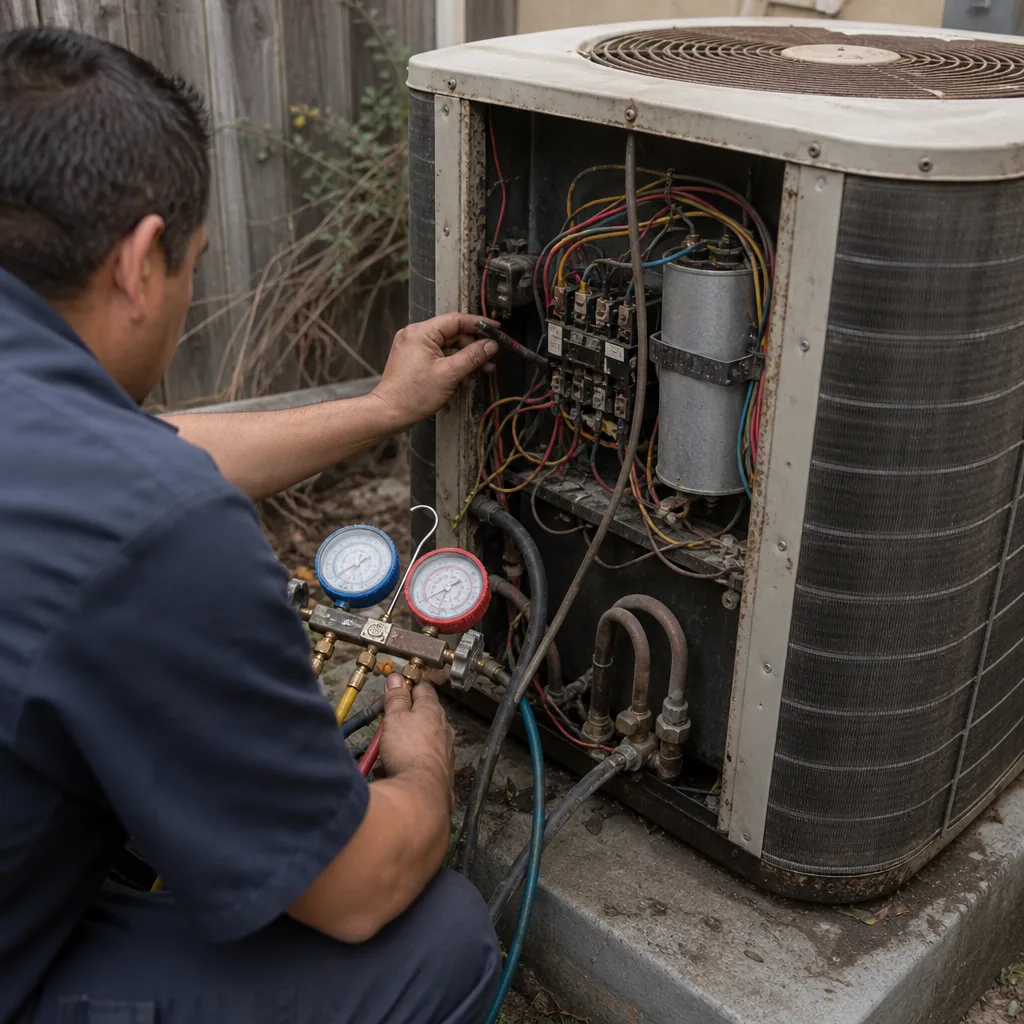
 After
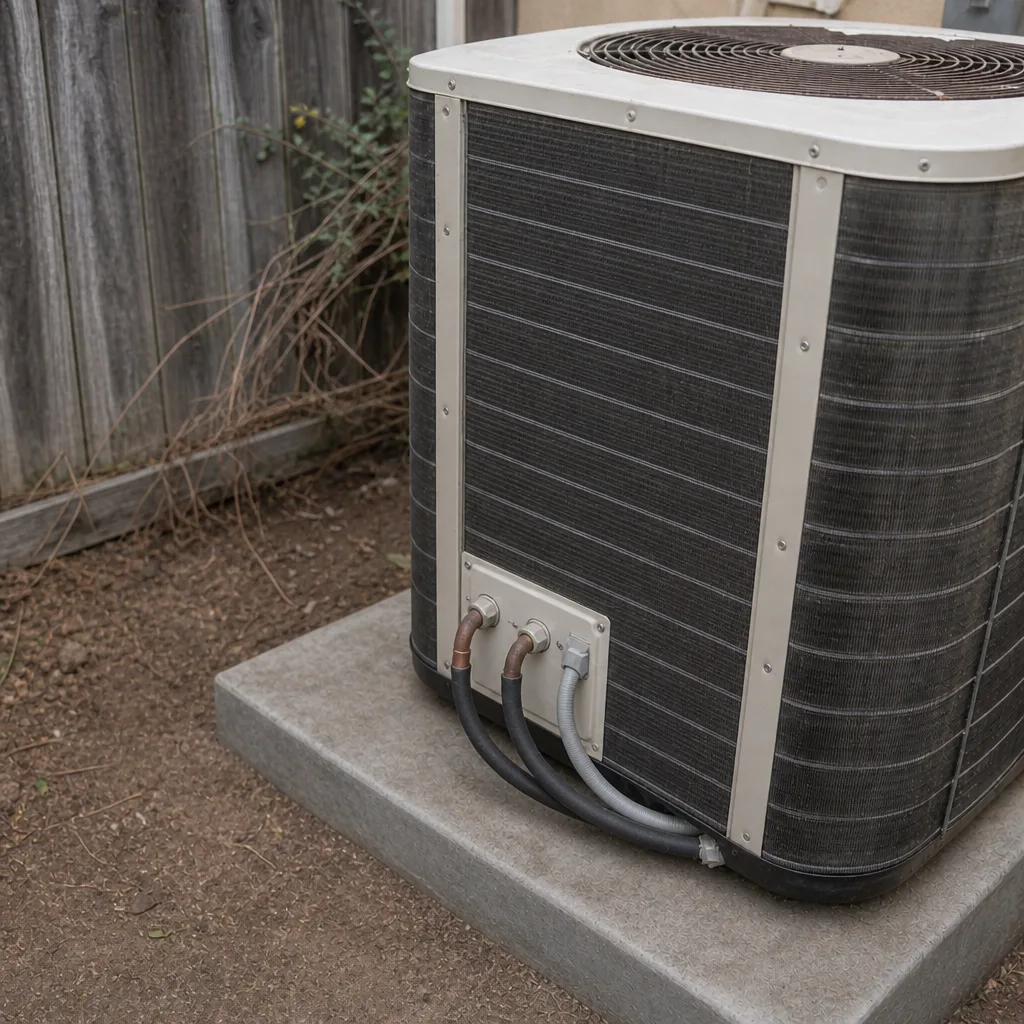
 Before
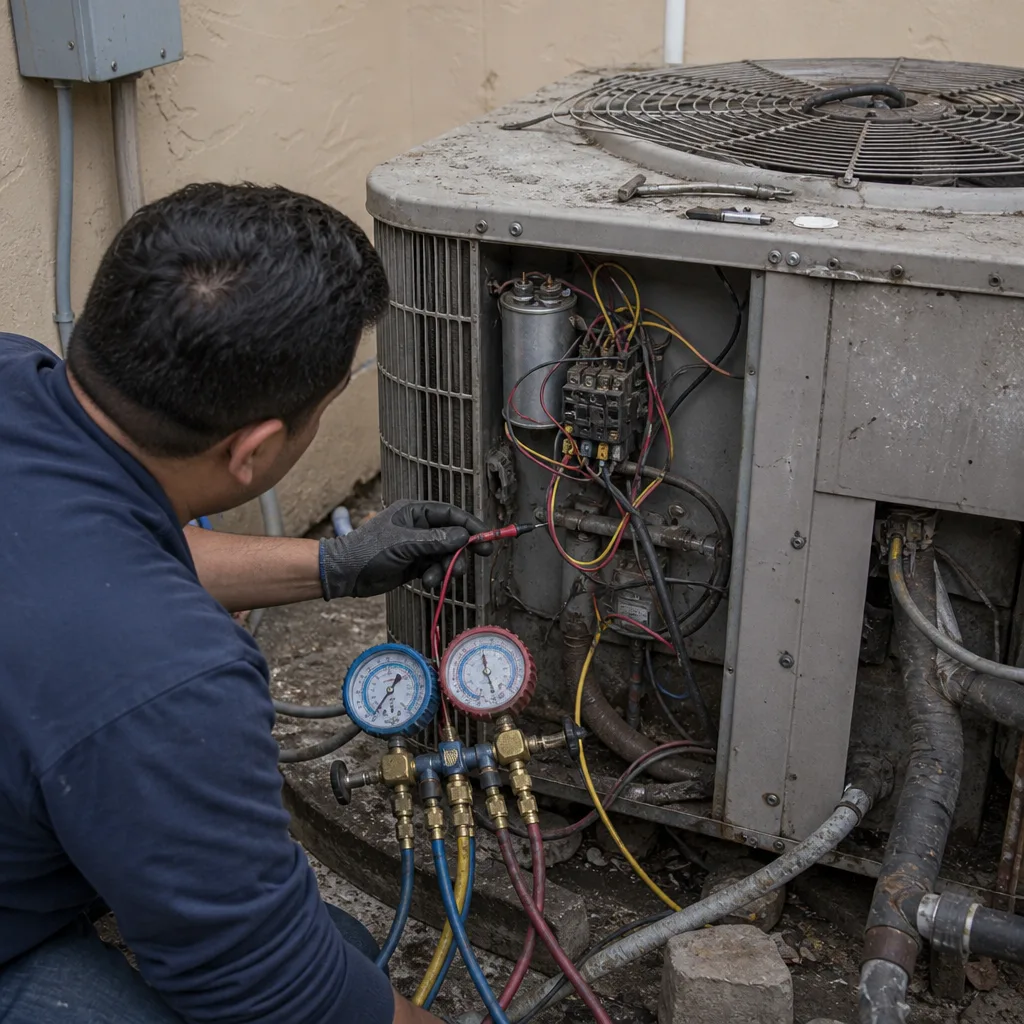
 After
 Before
 After
When to Call a Professional
Some HVAC decisions are fine to sit with; others aren’t. Call us when your system is short-cycling, blowing warm air on a hot afternoon, icing on the indoor coil, tripping the breaker on startup, or making rattling noises you haven’t heard before. Call us when your furnace won’t stay lit, smells like gas at any point, or fails to heat the house consistently. And call us before you buy – a brand comparison made in consultation with a contractor who services the equipment is a materially better decision than one made from a showroom brochure.
Prestige AC Repair offers free estimates in East Los Angeles – call (833) 997-6067. Our technicians have up to 15 years of experience and work on the nine major brands covered in this guide. If you’re in East Los Angeles or the surrounding area, we can look at your current system, discuss what it needs, and help you choose a replacement brand that fits your home’s ducts and your service team’s actual strengths. Before you commit to a brand, have the conversation.
Frequently Asked Questions
There isn’t a single best brand for East Los Angeles – the right choice is the one your service contractor knows thoroughly, can source parts for locally, and matches well to your existing ductwork. In practice, mid-range equipment from Carrier, Trane, Lennox, Rheem, Bryant, Daikin, York, Goodman, or American Standard all perform well when installed correctly. Call (833) 997-6067 for a free estimate shaped around your home rather than a national ranking.
Carrier, Trane, Rheem, Goodman, York, and Daikin all have strong regional distributor networks across Southern California, which keeps repair times short when a component fails. Bryant and American Standard also benefit from shared supply chains with their higher-volume parent lines. Niche premium models and discontinued lines are where delays show up. Call (833) 997-6067 and we’ll tell you honestly what parts lead times look like for your specific brand and model – the estimate is free.
System replacement pricing in East Los Angeles depends on capacity, efficiency tier, duct work needed, and brand – so it’s set per job by the written estimate rather than a flat range. A mid-range replacement typically lands meaningfully below premium-tier variable-speed equipment, and duct improvements can shift the number either direction. Call (833) 997-6067 for a written fixed price on your specific home – estimates are free.
Yes, but usually by a few years rather than double, and only when installation quality is equal. Premium tier equipment with better coil coatings and variable-speed compressors can reach 15 to 20 years versus 10 to 15 for builder-grade, depending on maintenance and installation. The realistic gap is much smaller than the price gap suggests. Call (833) 997-6067 for a straight assessment of your current system’s age and condition before deciding.
Yes – you can replace an existing system with any brand, and a contractor who services multiple brands can install and maintain whatever equipment you choose. This is a genuine advantage of working with a brand-agnostic company rather than a single-line dealer. If you’re replacing in East Los Angeles and your ducts or electrical need upgrades, the brand decision is secondary to those. Call (833) 997-6067 to talk through replacement options.
Repair is usually the better call when the system has meaningful years remaining, the repair cost is reasonable relative to replacement, and the compressor is healthy – brand doesn’t change that logic much. Replacement makes more sense on a 15-year-plus system with repeated failures or a failing compressor. Because we’re brand-neutral, our recommendation depends on the system’s condition, not affiliation. Call (833) 997-6067 for a free estimate – we’ll give you the honest answer either way.
The Bottom Line
Choosing the right HVAC brand for an East Los Angeles home is a question better framed around fit than ranking. The brand matters, but installation quality, contractor familiarity with the equipment, local parts availability, and duct matching matter more – and in East Los Angeles’s older housing stock, they often make the difference between a system that delivers and one that doesn’t. If you remember one thing: pick the contractor who knows the brand, not the brand with the best brochure. We service nine major brands – Carrier, Trane, Lennox, Goodman, Rheem, York, Daikin, Bryant, and American Standard – and our recommendations follow your system’s condition, not our preference. Whether you’re deciding between repair and replacement, or narrowing a brand shortlist for a new install, a conversation with a team that’s worked on all nine is worth more than another round of brand rankings.
Contact us at (833) 997-6067 for a free estimate. We answer 24/7. Fast dispatch from 7am to 7pm, Sunday through Friday. Our technicians have up to 15 years of experience, and we’ll walk through your system, your home’s needs, and the brand options that actually fit your service reality – not a national scorecard. Prestige AC Repair is glad to have the conversation before you spend a dollar.
Written by the team at Prestige AC Repair.