
Last updated November 16, 2026
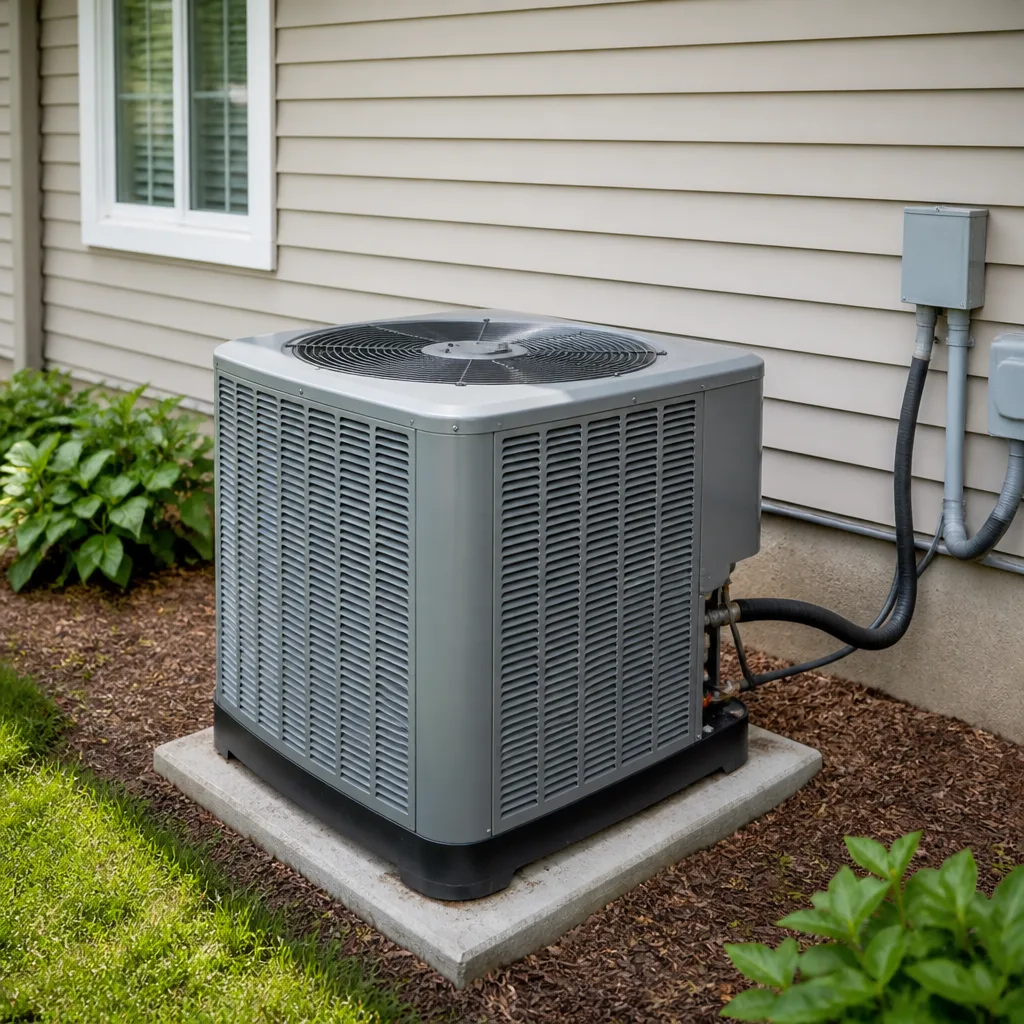 AC repair
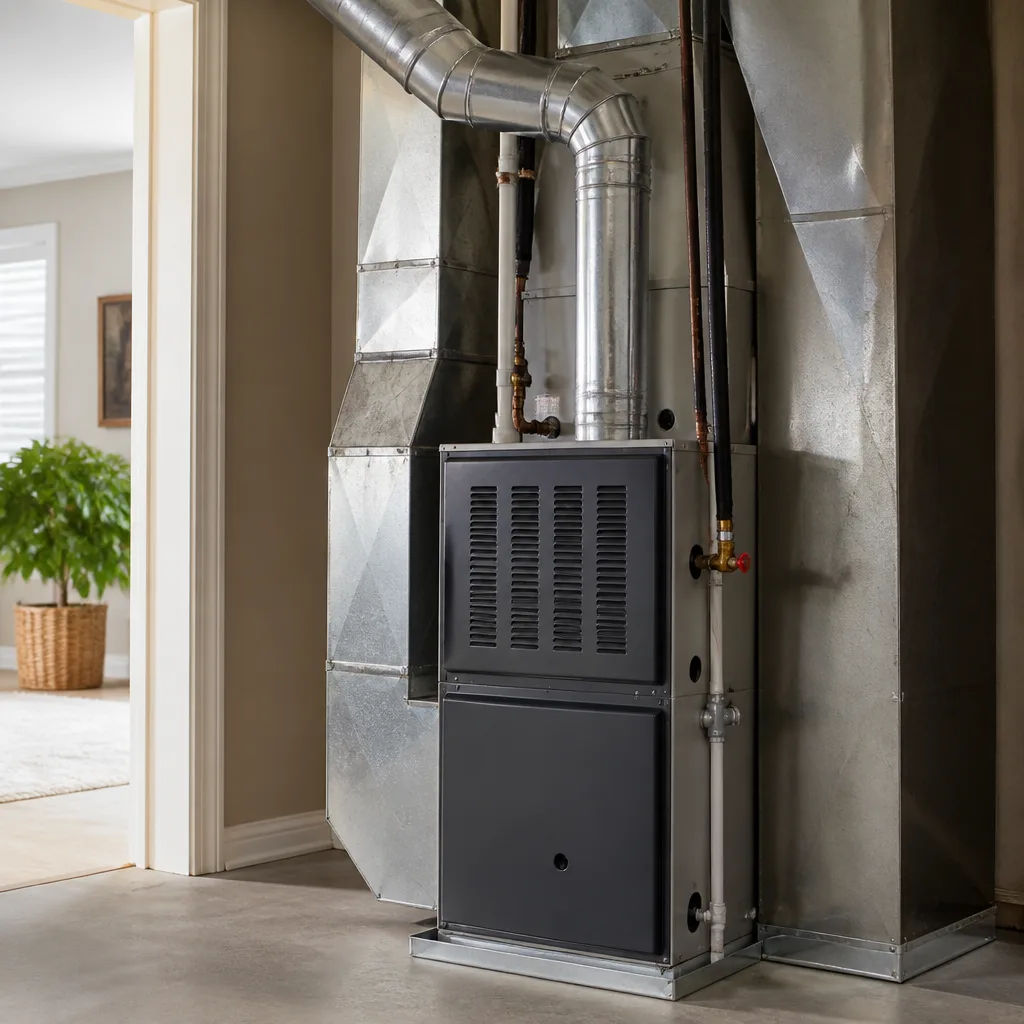 Furnace & heating
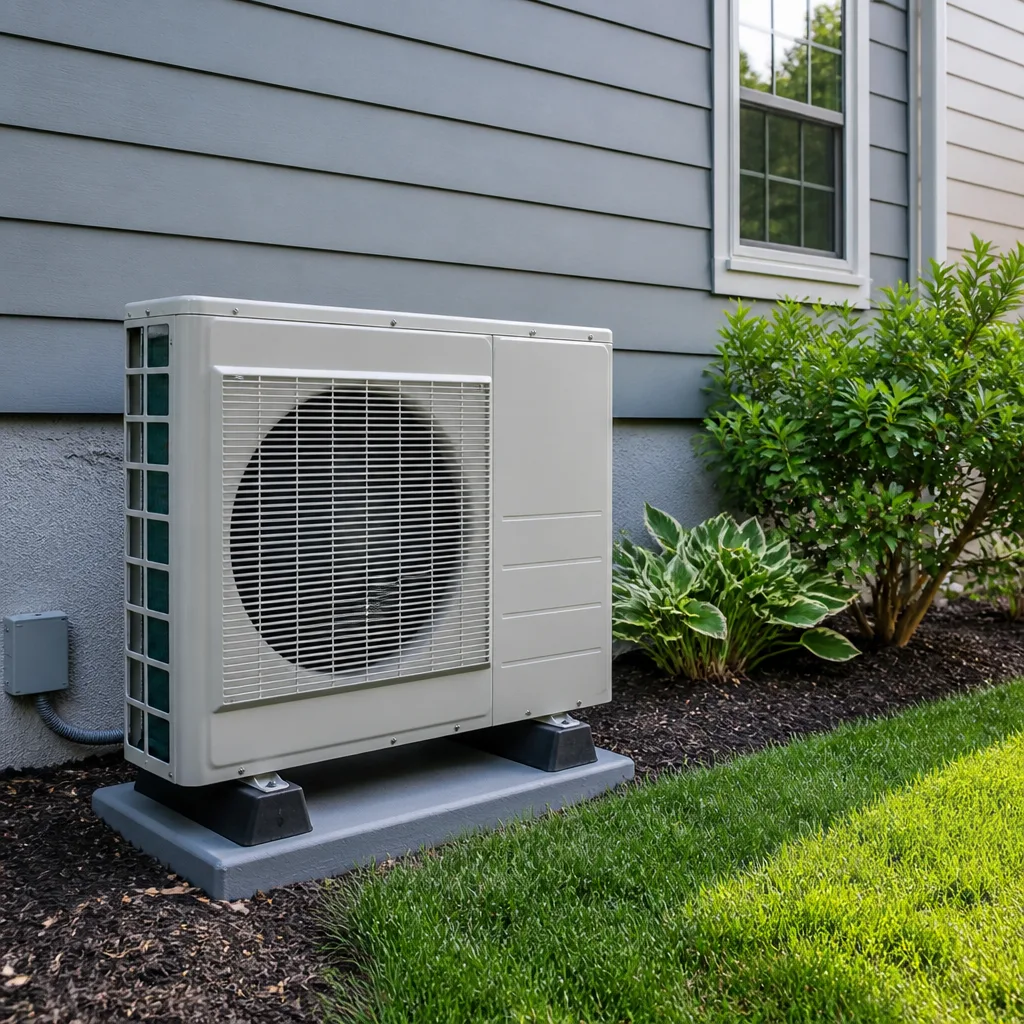 Heat pumps
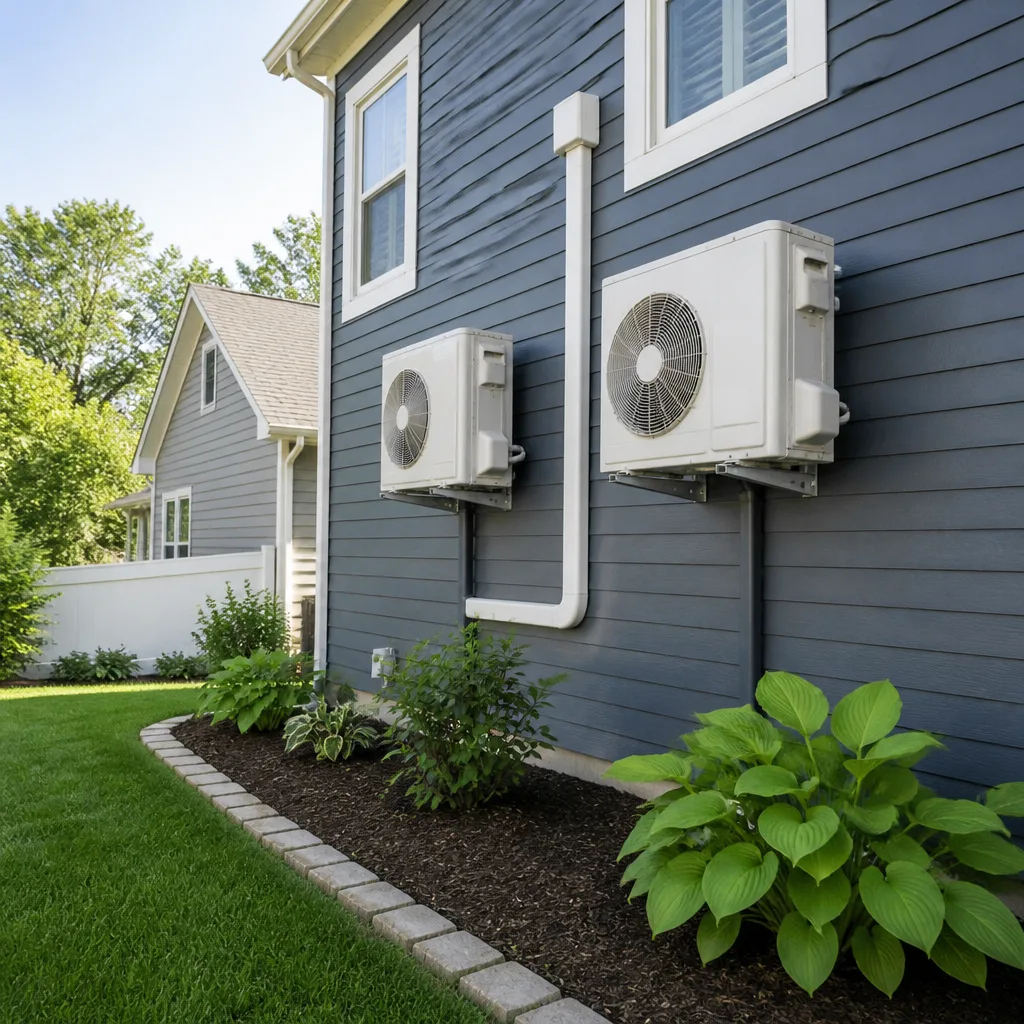 Ductless mini splits
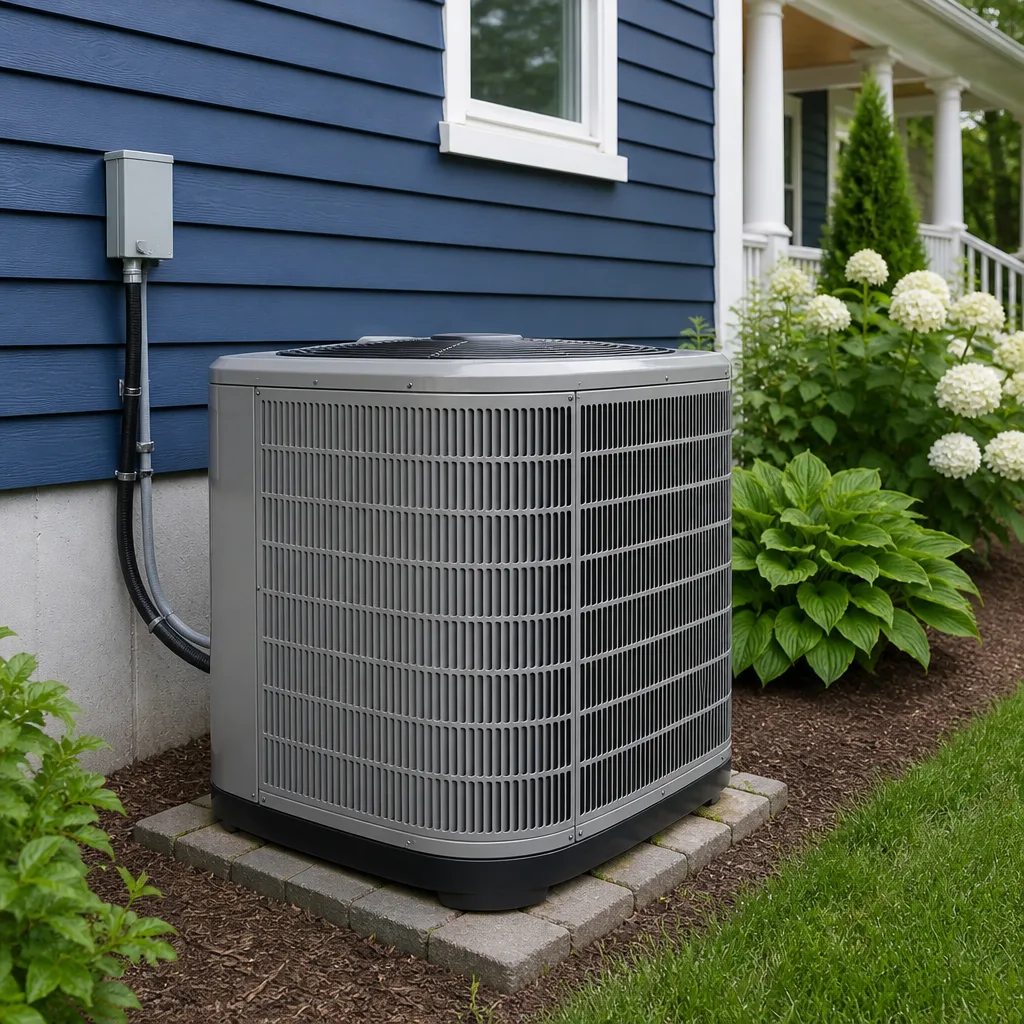 Carrier
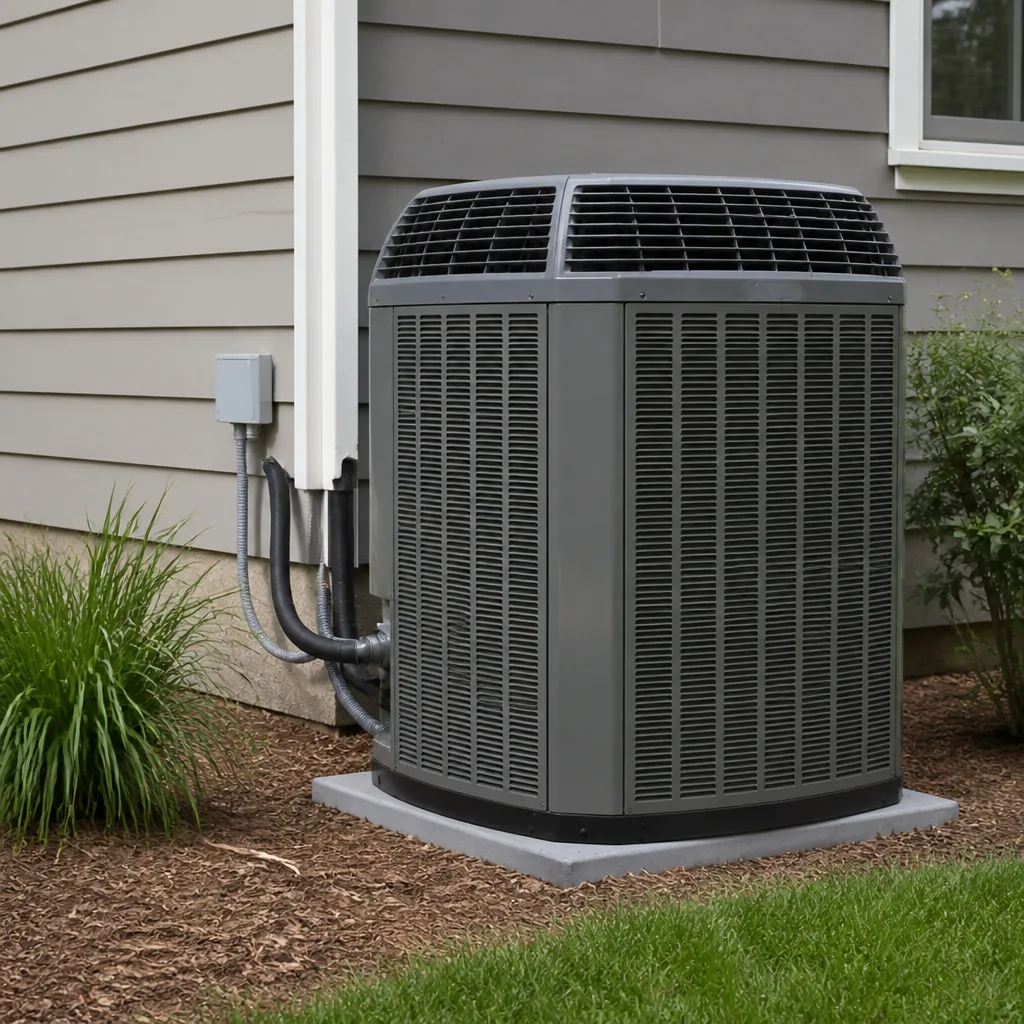 Trane
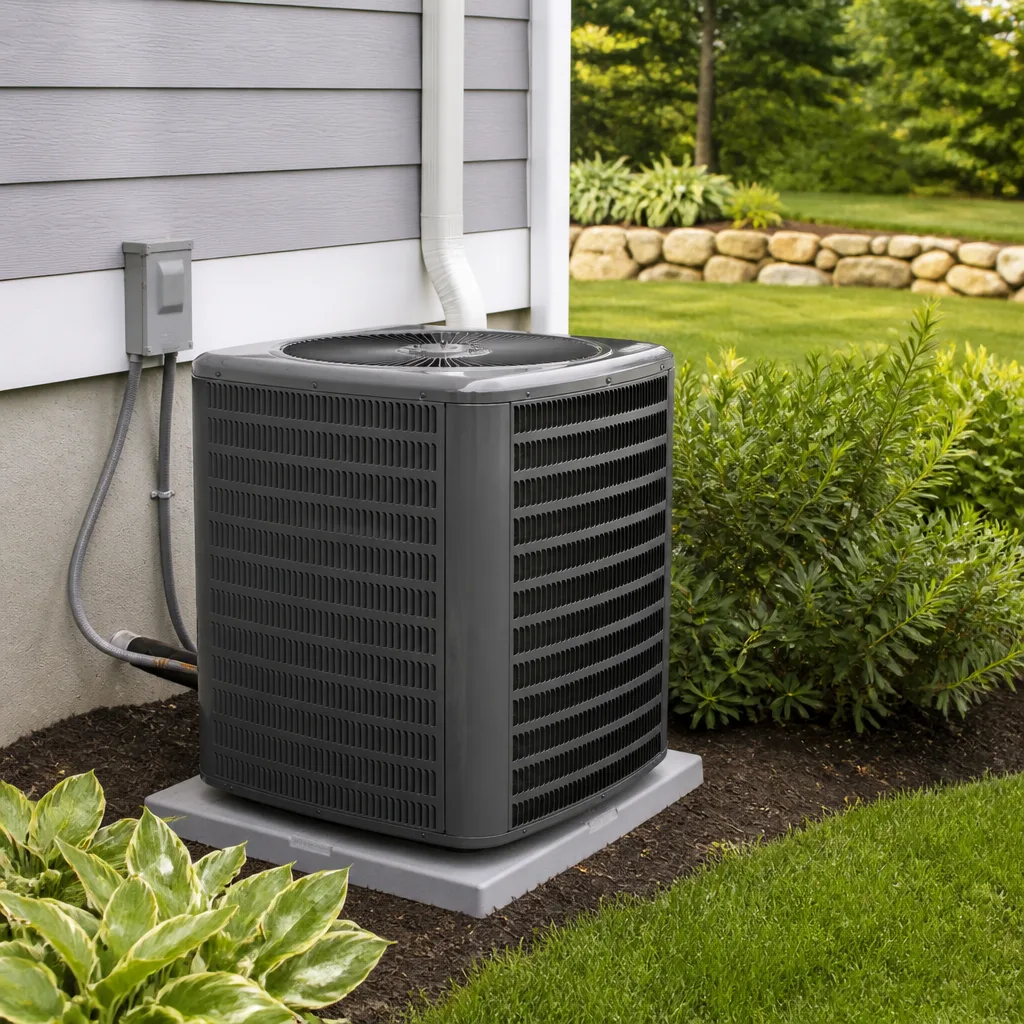 Goodman
Seasonal tune-up and full diagnostic on your Carrier, Trane, or Goodman system - readings shown to you before any repair is proposed
Diagnosis first, numbers second - you approve the repair price before a single part goes in.
Get your free estimateHVAC Warning Signs: An East Los Angeles Homeowner’s Reference Guide
Most HVAC guides wait until the disaster: the system that’s completely dead, the furnace blowing cold air in January, the compressor that finally quit. By then the decision is made for you and the bill is already written. The warning signs that actually matter show up six to twelve months before that moment, and they’re almost always easy to wave off. A system that takes a little longer to reach the set temperature isn’t “just having a slow day.” It’s telling you, in a specific way, which of four problems you’re heading toward, each with its own fix and its own cost curve if you let it run. This guide is written for East Los Angeles homeowners who’d rather spend a modest amount now than a large amount later.
Quick Answer
Early HVAC warning signs are usually subtle: longer run times, short cycling, weak airflow from some vents but not others, a utility bill that climbs while your habits don’t change, and new smells or sounds. Caught early, most of these point to a repair in the hundreds of dollars rather than a system replacement in the thousands. The single most useful habit is comparing this month’s bill to the same month last year.
Styles & brands we work with
- AC repair
- Furnace & heating
- Heat pumps
- Ductless mini splits
- Carrier
- Trane
- Goodman
Table of Contents
- Longer Run Times: Reading What Your System Is Telling You
- Refrigerant, Airflow, or Oversized? Telling Them Apart Without Tools
- Short Cycling: The Damage-Accelerating Pattern You Can Catch Early
- Smells vs. Sounds: Mapping Symptoms to Components
- Your Utility Bill as an Early Warning System
- Brand-Specific Patterns at Certain Ages
- Why East Los Angeles Seasons Change the Timing of These Signs
- Common Mistakes to Avoid
Longer Run Times: Reading What Your System Is Telling You
A system that used to cool the house in fifteen minutes and now takes forty is not “getting old.” It’s losing capacity somewhere, and the reason falls into a short list. Longer run times are the most common early signal we hear about from homeowners in East Los Angeles, largely because the change is gradual enough that people adapt to it without noticing. They start setting the thermostat lower. They close a vent. They blame the heat wave. The system, meanwhile, is running harder than it should, which accelerates wear on the compressor and blower motor.
Here’s what longer run times usually mean, roughly in order of how often we find them:
- Restricted airflow. A clogged filter, a blocked return, or a collapsed duct run. The system runs and runs because it can’t move enough air across the coil.
- Low refrigerant charge. The system works, but it’s cooling a smaller amount of air than it was designed to. Long run times plus lukewarm supply air.
- A failing capacitor or blower motor. The motor turns, but slower or less reliably than it should.
- An undersized or oversized system fighting the house. Oversized systems cool too fast and don’t dehumidify; undersized ones never quite catch up.
The way to tell these apart without a gauge set is to watch the supply air at a register, not the thermostat. If the air coming out feels cold but weak, you’re looking at an airflow problem. If the air volume feels normal but the temperature is lukewarm, you’re looking at a charge or compressor issue. That single observation changes what the technician should bring and how long the visit takes. When homeowners can describe which one it is, the diagnostic conversation gets much shorter.
Refrigerant, Airflow, or Oversized? Telling Them Apart Without Tools
These three problems all present as “the house isn’t cool enough,” but they have almost nothing in common under the hood. Refrigerant is a sealed loop. Airflow is a delivery problem. Oversizing is a design problem. Distinguishing them takes observation, not instruments, and it’s the difference between a quick fix and a replacement conversation.
Work through this in order:
- Check the filter and the return. Pull the filter. If it’s grey, matted, or you can’t see light through it, airflow is the first thing to rule out. A dirty filter alone can add minutes to every cycle.
- Feel the air at one supply register and compare it to another. If one room is weak and another is strong, the problem is in the ducts, not the refrigerant. If every register is weak, the problem is central to the air handler or the blower.
- Note the temperature difference between the return air and the supply air, by hand. If the supply air feels genuinely cold, the system is cooling; it just isn’t moving enough. If it feels only slightly cooler than the room, the refrigerant side is suspect.
- Watch how quickly the house reaches the set temperature, and whether it overshoots. A system that cools the house in five minutes and then shuts off for ten is likely oversized. A system that runs constantly and never quite gets there is likely undersized or losing capacity.
Oversized systems are common in East Los Angeles homes where equipment was replaced by whoever was available at the time, without a proper load calculation. They cool fast, so nobody complains in summer, but they short cycle, they don’t pull humidity out of the air, and the compressor wears faster than it should. If you’ve ever wondered why your house feels cool but clammy, that’s often the answer. Nobody measures this with a flashlight and a screwdriver, but you can spot the pattern.
Short Cycling: The Damage-Accelerating Pattern You Can Catch Early
Short cycling is the pattern where the system turns on, runs for a short time, turns off, and then comes back on again within minutes, over and over. Of every early warning sign, this is the one with the steepest cost if it’s ignored, because the damage compounds on every cycle. The compressor is the single most expensive component in a split system, and short cycling is the fastest way to wear one out.
Why it’s so destructive: a compressor draws a large surge of current every time it starts. It’s also designed to run for extended periods, not to stop and start every five minutes. Over weeks, the surge loads build up, oil migration inside the system gets irregular, and the compressor runs hotter than it should. A system that short cycles for a summer can end up needing a compressor replacement instead of a capacitor replacement.
The common causes of short cycling, from cheapest to fix to most involved:
- A failing run capacitor – a low-cost part that most technicians replace in minutes.
- A dirty filter or blocked evaporator coil – the system trips a safety limit because it’s running too hot.
- A thermostat that’s badly placed or miscalibrated – one sitting in a draft or near a lamp reads the wrong temperature.
- Low refrigerant – the system trips the low-pressure switch and restarts when pressure recovers.
- An oversized system – the design problem, not a component problem; addresses itself only with replacement sizing.
If you can count the on-off cycles in an hour and it’s more than about three, that’s worth a call. It’s usually the cheapest category of repair in this guide, and the most expensive one to postpone.
Smells vs. Sounds: Mapping Symptoms to Components
Homeowners describe HVAC problems by smell and sound far more often than by temperature, and both are genuinely useful diagnostic clues. The trick is knowing which smell maps to which part of the system, and which sounds are normal and which aren’t. What matters when you call is that you can describe what you noticed accurately, because a technician who knows the symptom before arriving brings the right parts.
What smells usually mean
- Dusty, “first-run-of-the-season” smell – normal on the first heat of the year; it’s dust burning off the heat exchanger. If it persists more than a day or two, it isn’t normal anymore.
- Rotten egg or sulfur – treat this as a gas concern and stop what you’re doing. Call your gas utility first, then us. This is one you never diagnose yourself.
- Electrical or burning plastic – a capacitor, contactor, or wire insulation is overheating. Shut the system down and call.
- Musty, damp, or “old basement” smell – biological growth on the evaporator coil or in the ductwork, usually a symptom of a system that’s oversized and not removing humidity.
- Sweet, chemical, or refrigerant smell – a possible refrigerant leak. This one is genuinely a call-now situation.
What sounds usually mean
- Clicking at the outdoor unit without starting – a failed capacitor or contactor. Very common in summer.
- Buzzing from the condenser – could be the contactor chattering or a failing fan motor.
- Squealing or screeching – a bearing in the blower or the condenser fan motor is failing. This one gets more expensive the longer it runs.
- Rattling or ticking – loose panels, or debris in the outdoor unit. Usually a cheap fix if it’s caught before something breaks.
- Banging or clanking from the furnace – the ductwork expanding, or the blower wheel contacting the housing. Worth a visit before it becomes a no-heat call.
One safety note that applies to every heating season: unusual smells from a furnace, especially anything metallic or sulfur-like, are the reason gas appliances deserve a trained technician and not a homeowner with a screwdriver. Gas lines and heat exchangers are not a DIY category. If the smell is strong, leave the house and call your gas utility first.
Your Utility Bill as an Early Warning System
Before any comfort symptom appears, your utility bill usually does. HVAC systems don’t fail in a straight line; they lose efficiency slowly, and the bill reflects it. The homeowners who avoid the worst of a system failure are the ones who compare this month’s usage to the same month last year, not the previous month. Seasonal weather makes month-over-month comparison noisy; year-over-year is the honest measure.
Here’s how to read your bill as a diagnostic tool:
- Pull the same month from last year. Not last month. Same month, one year back.
- Set aside weather. A hotter July than last July will raise the bill; the question is by how much. A 10 to 15 percent bump in a comparable month deserves a look.
- Rule out habit changes first. A new appliance, a houseguest, a work-from-home schedule change. Once you’ve accounted for those, the remaining change is a system signal.
- Note the direction across three or four months. A single high bill is noise. A steady increase across a season is a pattern, and the pattern is usually a failing capacitor, a dirty coil, low refrigerant, or a duct leak.
- Compare the same month across two years. If two summers both drifted up, the trend is real.
Duct leakage is worth calling out specifically in East Los Angeles. Many older homes here have duct runs in attics or crawlspaces that have gradually opened at the seams. That’s a bill problem long before it’s a comfort problem, and it’s one of the easier things for a technician to spot during a routine visit.
Brand-Specific Patterns at Certain Ages
This is the part of an HVAC guide most companies can’t write honestly, because most companies specialize in one brand. We service equipment from Carrier, Trane, Lennox, and Goodman, and we’ve learned that each manufacturer’s equipment tends to fail in its own particular pattern as it ages. A technician who knows the pattern walks into the call already expecting a specific part to be the culprit, which is why furnace repair on equipment we see every week takes a different course than repair on equipment we’ve never seen.
What we look for, generally:
- Carrier units at midlife often present with contactor and capacitor wear before any compressor symptom, and their condensate handling deserves a check every season because a slow drain shows up as a water stain before it shows up as a cooling problem.
- Trane systems are known for long service life but not for immunity. When a Trane develops a refrigerant leak, it’s often at a specific braze point that a technician familiar with the manifold layout will check first.
- Lennox furnaces commonly show pressure-switch and igniter wear around the decade mark, and the failure mode is an intermittent no-heat call rather than a hard failure, which is exactly the kind of thing to describe in detail when you call.
- Goodman equipment tends to be economical to repair, which changes the fix-versus-replace math meaningfully when a system reaches end of life.
The pattern matters because the fix-and-replace conversation is different for each. On a Goodman, a repair at year fourteen often makes sense. On a system where the same failure costs three times as much, it may not. We don’t decide that based on brand loyalty; we decide it based on what the system is doing and what it will do next. That’s the whole point of brand-neutral diagnostics: the recommendation follows the equipment, not the label on the door. Whether your next step is AC installation or a repair, the answer should come from an honest look at the system you already own.
One thing we hear regularly: homeowners worried a technician will only know one brand. On a Carrier, Trane, Lennox, Goodman, Rheem, York, Daikin, Bryant, or American Standard system, we’re working with equipment we’ve seen, and the conversation reflects it.
Why East Los Angeles Seasons Change the Timing of These Signs
East Los Angeles runs warm and dry for long stretches, then cools enough in winter that the furnace gets a real workout, even if only briefly. That pattern shapes when each warning sign tends to appear here. A homeowner in a milder coastal microclimate might notice an airflow restriction first; in East Los Angeles, the same restriction tends to announce itself in the first long heat wave of the summer, when the system has to work harder than any other time of year.
What we see in the neighborhood most:
- Long, dry cooling seasons stress capacitors and condensate drains first. Both are inexpensive fixes caught early, and both can cascade into a compressor replacement if ignored.
- Mild winters don’t retire the furnace, they lull it. A furnace that hasn’t run since February is exactly the one that fails on the first cold night in December. A pre-season check on a gas furnace is worth more here than the same check in a colder climate.
- Afternoon heat loads on homes with west-facing walls push oversized systems into longer cycles, and that’s when short cycling becomes obvious.
Across the neighborhoods we work in most, from El Sereno and Lincoln Heights to Boyle Heights and City Terrace, the age of the housing stock varies enormously, and that difference often matters more than the age of the equipment. In a home where the ducts were routed decades ago, an airflow problem is often a duct problem, not a blower problem. In a newer build, the equipment is usually the culprit because the ducts are still intact. Small distinction. Large impact on what to check first.
Common Mistakes to Avoid
- Waiting for a total failure. A system that’s still cooling is not a system that’s fine. Long run times and short cycling are pointing at a repair that costs far less before a failure and after it.
- Assuming a strange smell is “just the first run of the season.” That’s true on the first heat of the year. It isn’t true in July, and it isn’t true for a musty or chemical smell.
- Replacing the air filter with the cheapest one at the hardware store. A very restrictive filter on an older system can choke airflow and cause the exact problem you were trying to prevent. Match the filter to the return size and the system’s design.
- Adding refrigerant to a system that’s leaking. Refrigerant is a sealed loop. If it’s low, it’s losing it, and a “top-off” buys a few months and hides the leak. Fix the leak, then charge the system.
- Diagnosing by thermostat alone. The thermostat reading is the last signal, not the first. Your bill, your run times, and your supply-air feel tell you more.
- Assuming brand loyalty equals good advice. A technician who recommends one brand for every home isn’t diagnosing. A brand-agnostic technician for East Los Angeles equipment gives you the honest fix-or-replace answer for the system you own.
- Skipping the seasonal check because the system is running fine. The check is not for systems that are broken. It’s for systems that aren’t yet.
See the difference
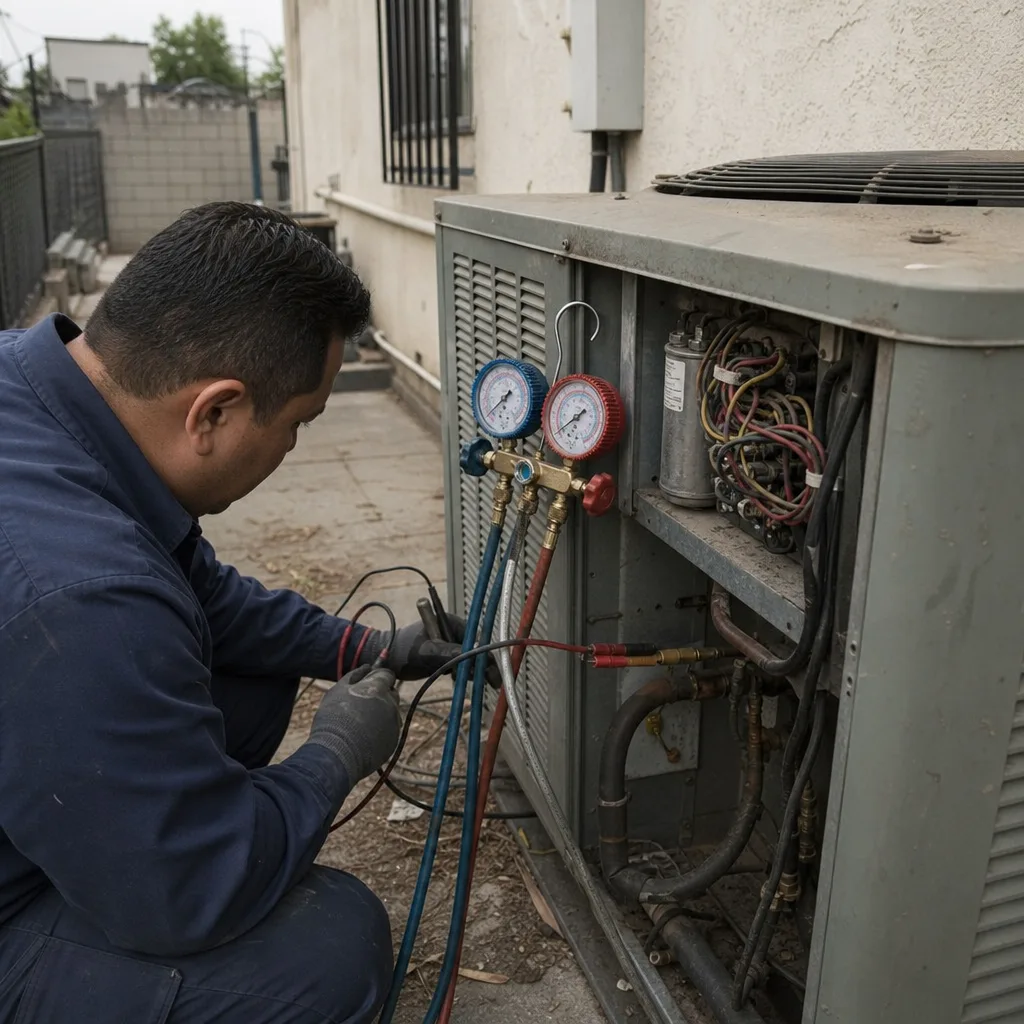 Before
 After
 Before
 After
 Before
 After
When to Call a Professional
Call us when the system runs noticeably longer than it did last summer, when you can count the on-off cycles and it’s more than about three an hour, when a supply register feels weak or lukewarm, when a new smell or sound shows up and doesn’t go away, when the utility bill climbs year-over-year without a lifestyle change to explain it, or when the furnace hasn’t been checked since the last cold season. Any one of these is worth a visit. When the smell is gas, call your gas utility first. Gas lines, heat exchangers, and the wiring inside your electrical panel are for trained technicians, not homeowners with screwdrivers. Prestige AC Repair offers free estimates for homeowners in East Los Angeles. Call (833) 997-6067.
Frequently Asked Questions
The earliest signs are longer run times, more frequent on-off cycling, weak or lukewarm supply air from some registers, and a utility bill that’s climbed year-over-year without an obvious cause. Comfort symptoms usually arrive after these, so the bill and the run times are the honest first indicators. Catch them here and the repair is usually in the hundreds rather than the thousands.
Not long. Short cycling wears the compressor faster than almost any other pattern, and the compressor is the most expensive component in a split system. A capacitor that costs a small amount to replace can become a compressor job within a season. Call when you notice it.
Usually yes. A bill that climbs year-over-year with the same habits points to a system losing efficiency: a dirty coil, a duct leak, a failing capacitor, or low refrigerant. Rule out lifestyle changes first, then have us look. Call (833) 997-6067 for a free estimate.
We work on equipment from Carrier, Trane, Lennox, Goodman, Rheem, York, Daikin, Bryant, and American Standard. Our technicians are experienced with all of them, so the recommendation follows the equipment’s condition rather than a brand preference. If you own a name-brand system, we probably see it weekly.
Yes. The long cooling season puts hours on capacitors, condensate drains, and compressors faster than in milder climates, and the short heating season lets furnace problems sit dormant until the first cold night. A check at the start of the cooling season and one at the start of the heating season is the useful rhythm here.
We do, together with you. A repair is the right call when the failure is a component and the rest of the system is sound. A replacement makes sense when the system is at end of life and the next repair would be the third in as many seasons. We offer both furnace repair and furnace replacement, so the fix-versus-replace conversation is based on the equipment, not a sales script. Free estimates across East Los Angeles. Call (833) 997-6067.
The Bottom Line
HVAC warning signs are quieter than most homeowners expect. Longer run times, short cycling, weak supply air, a new smell or sound, and a bill that won’t come back down are all pointing at the same thing: a repair that’s cheap now and expensive later. The fixes are usually components and airflow, not replacement. The one exception is oversizing, which no amount of repair solves. The rhythm for East Los Angeles homeowners is simple: check the bill year-over-year, watch the run times, take the furnace seriously before winter, and call when something new shows up. Prestige AC Repair handles heating and cooling in one place, on the nine brands we’re certified to service. Call (833) 997-6067 for a free estimate.
Written by the team at Prestige AC Repair.