
Last updated November 16, 2026
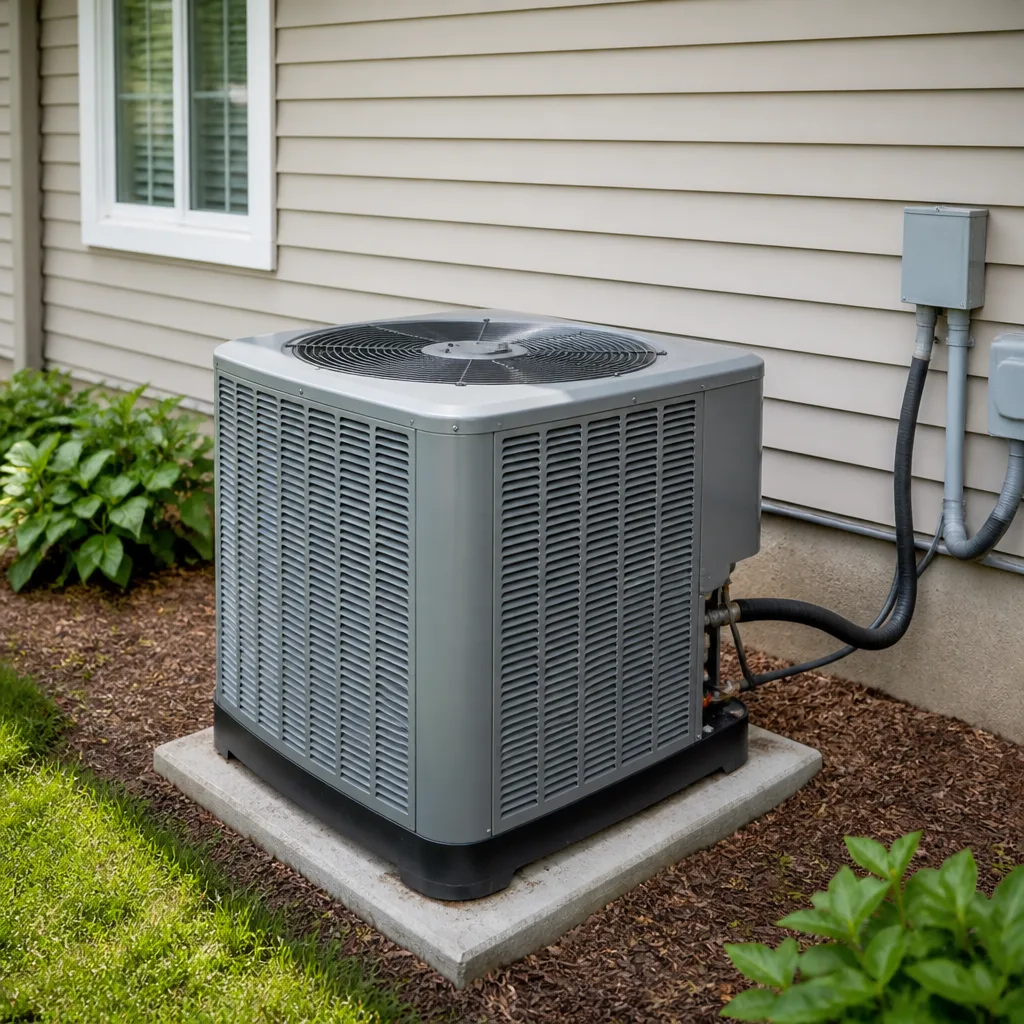 AC repair
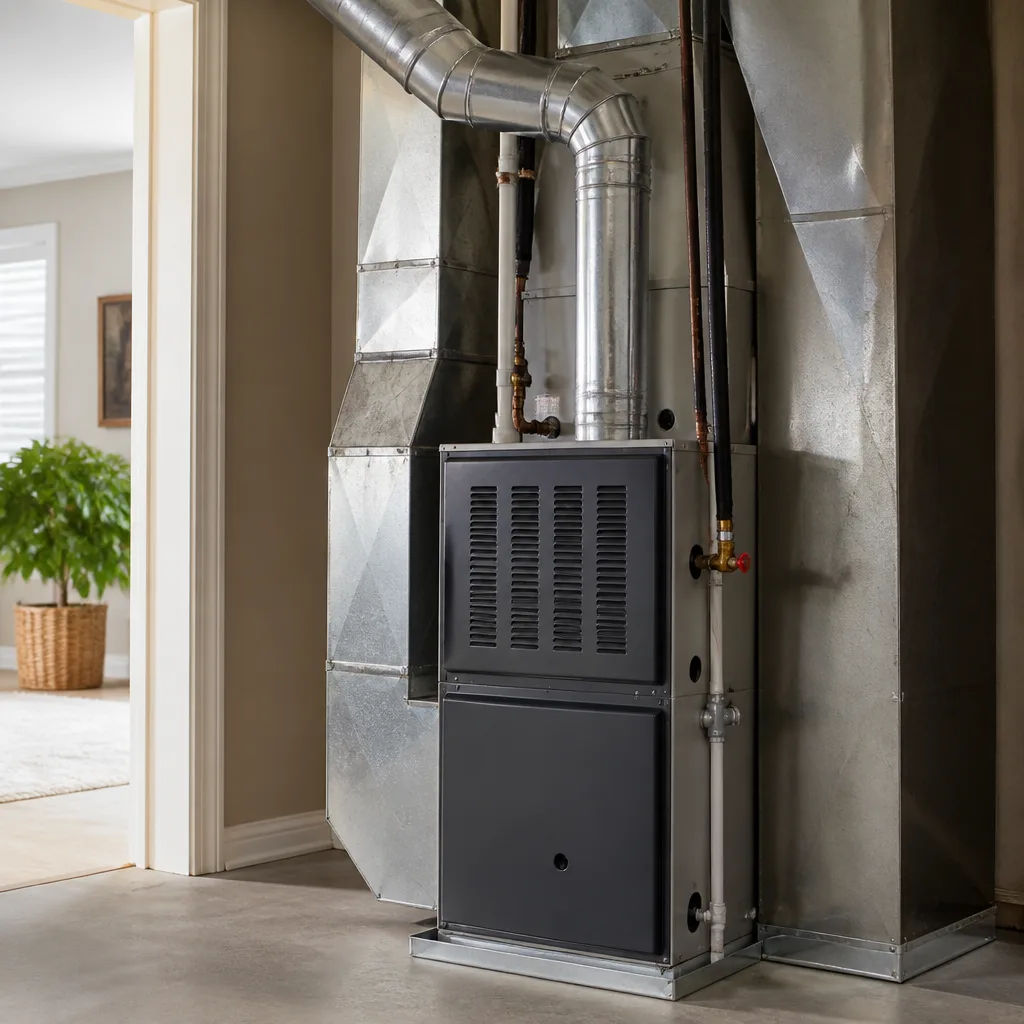 Furnace & heating
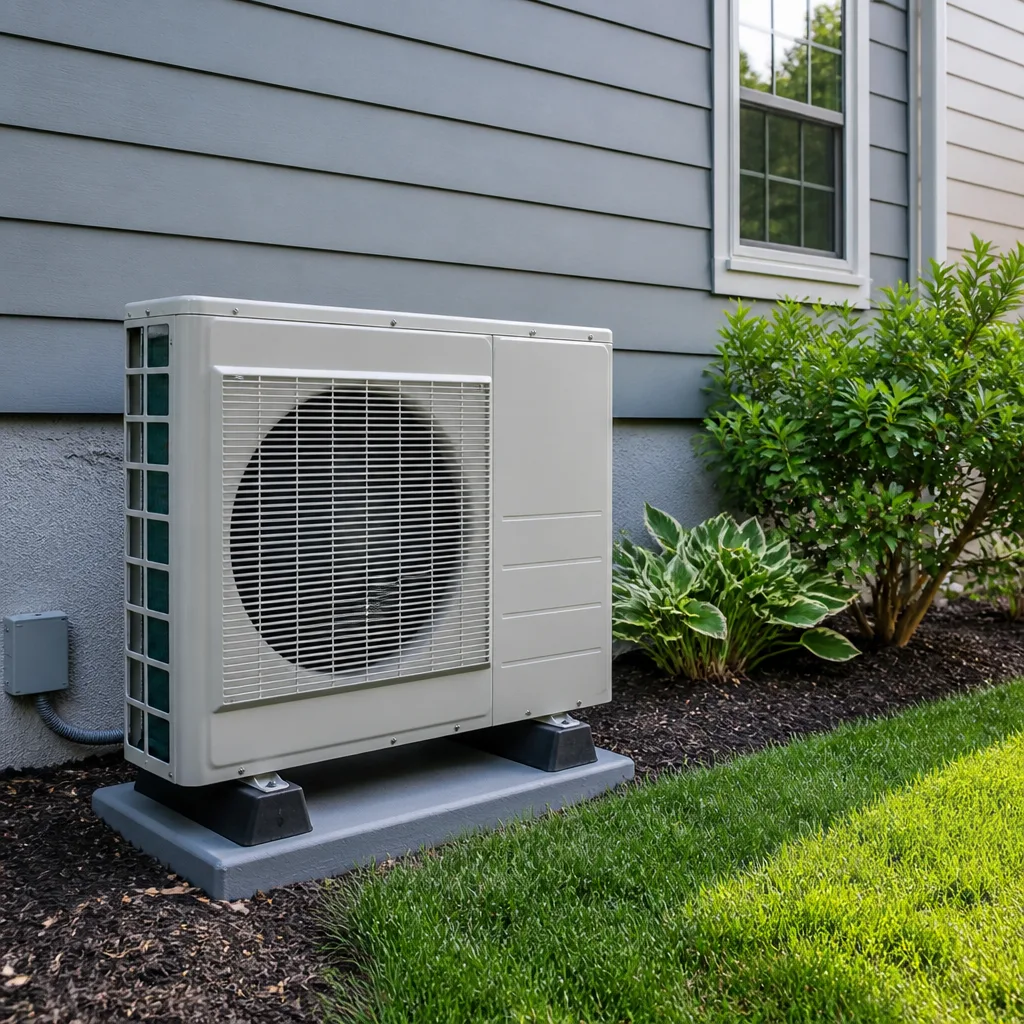 Heat pumps
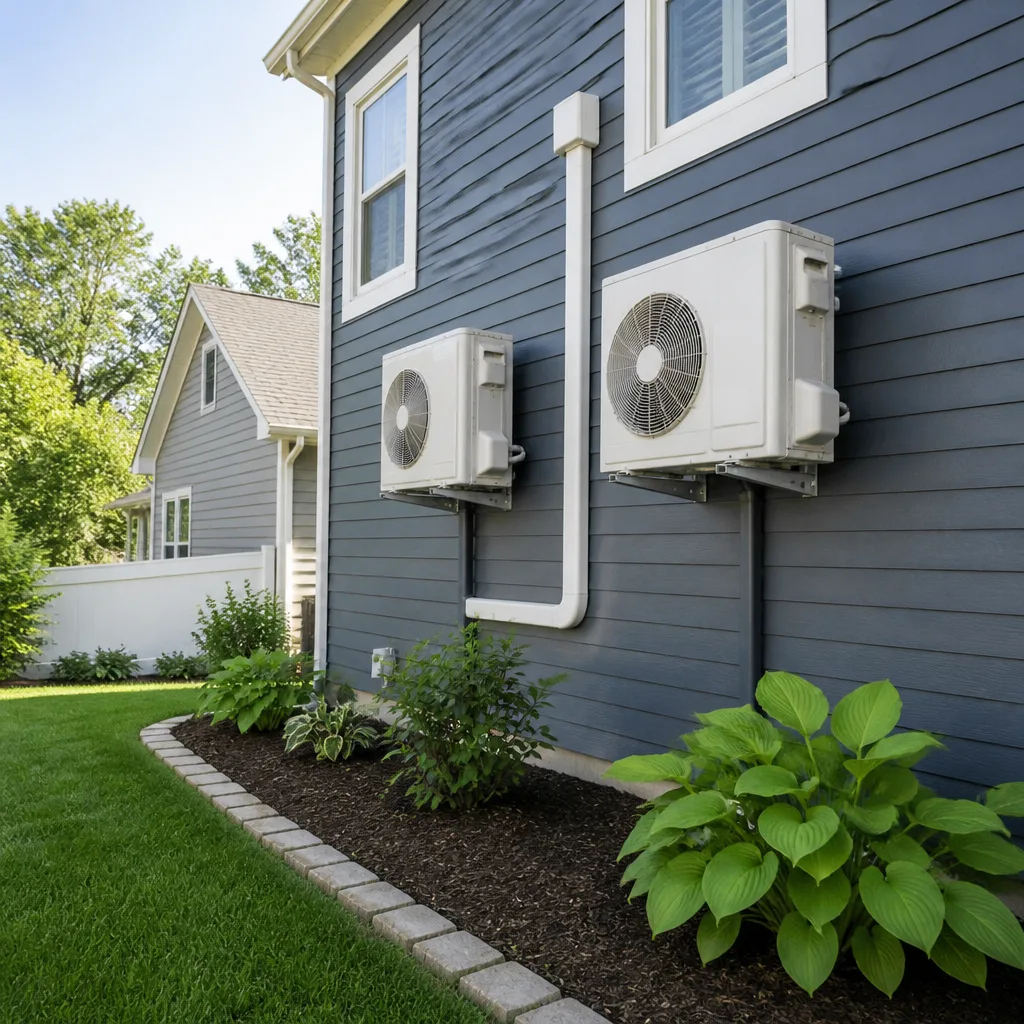 Ductless mini splits
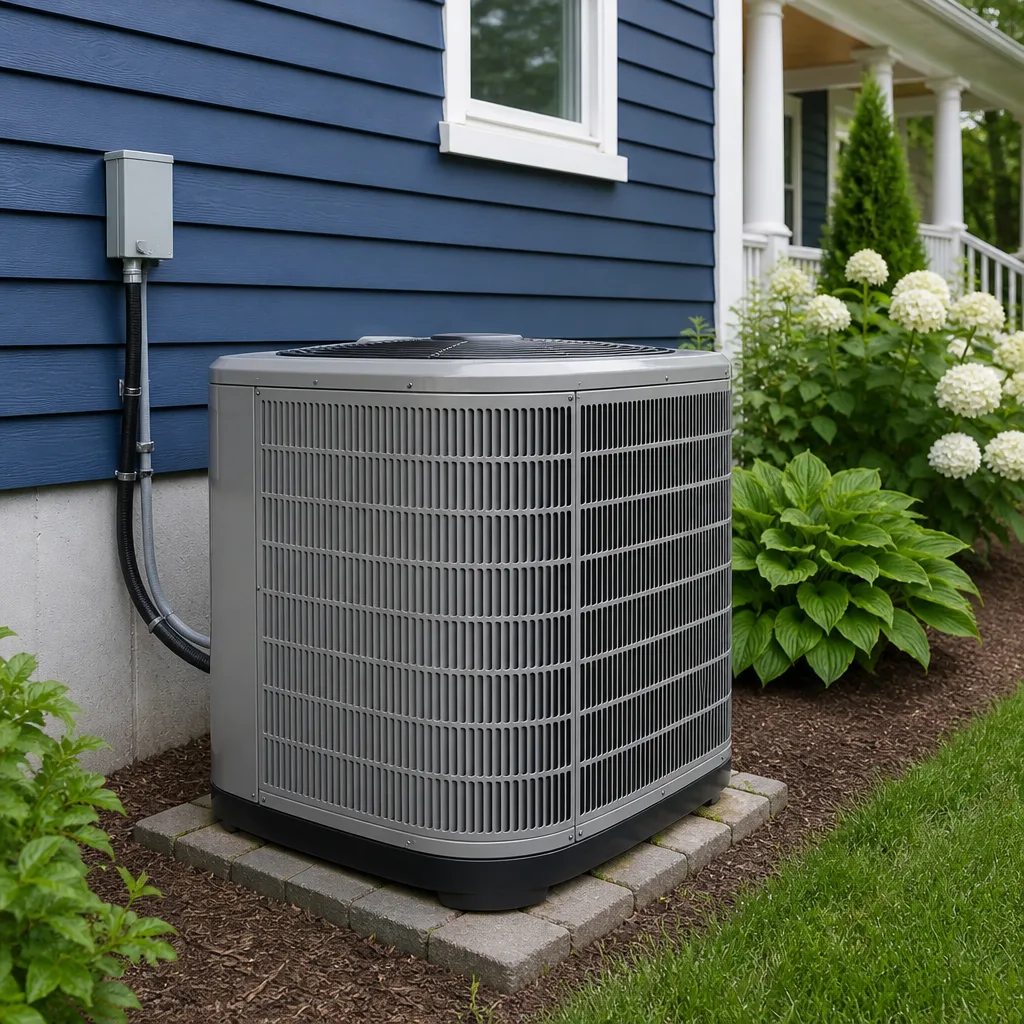 Carrier
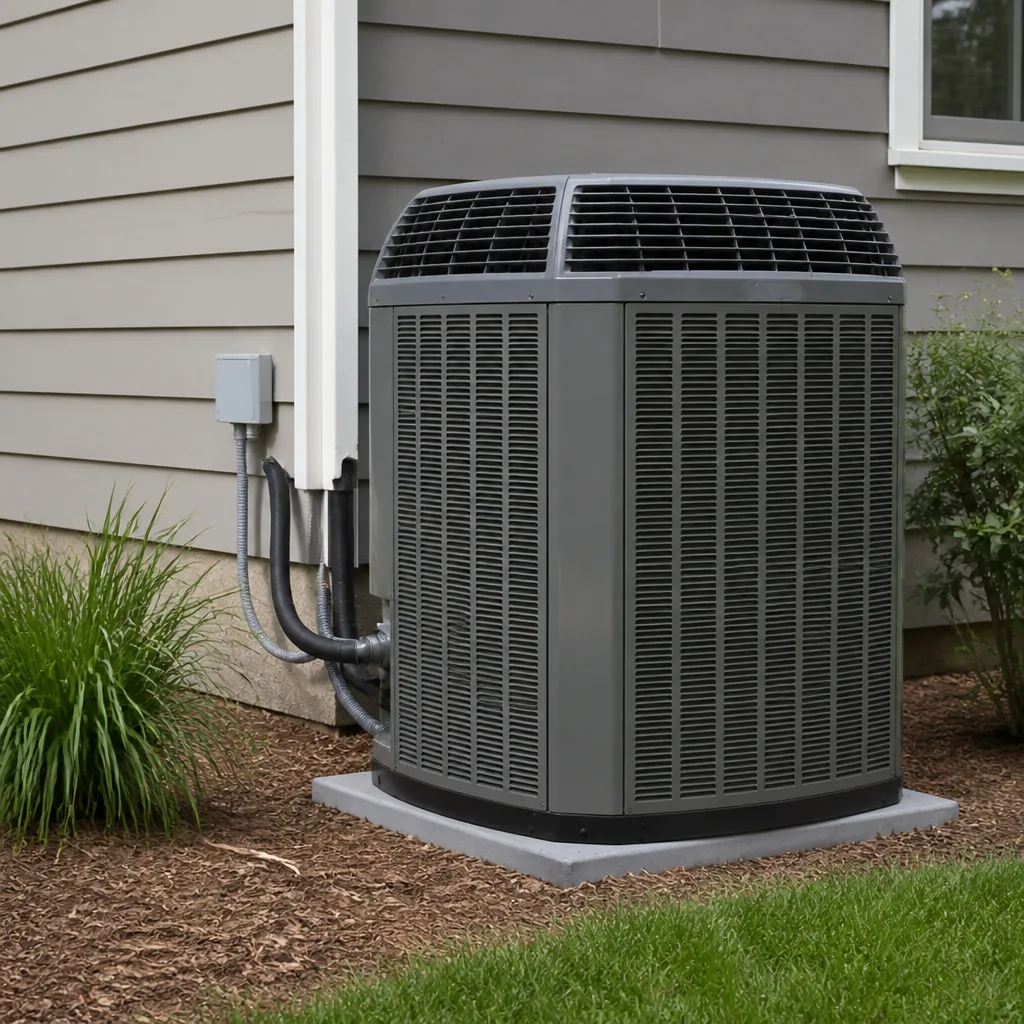 Trane
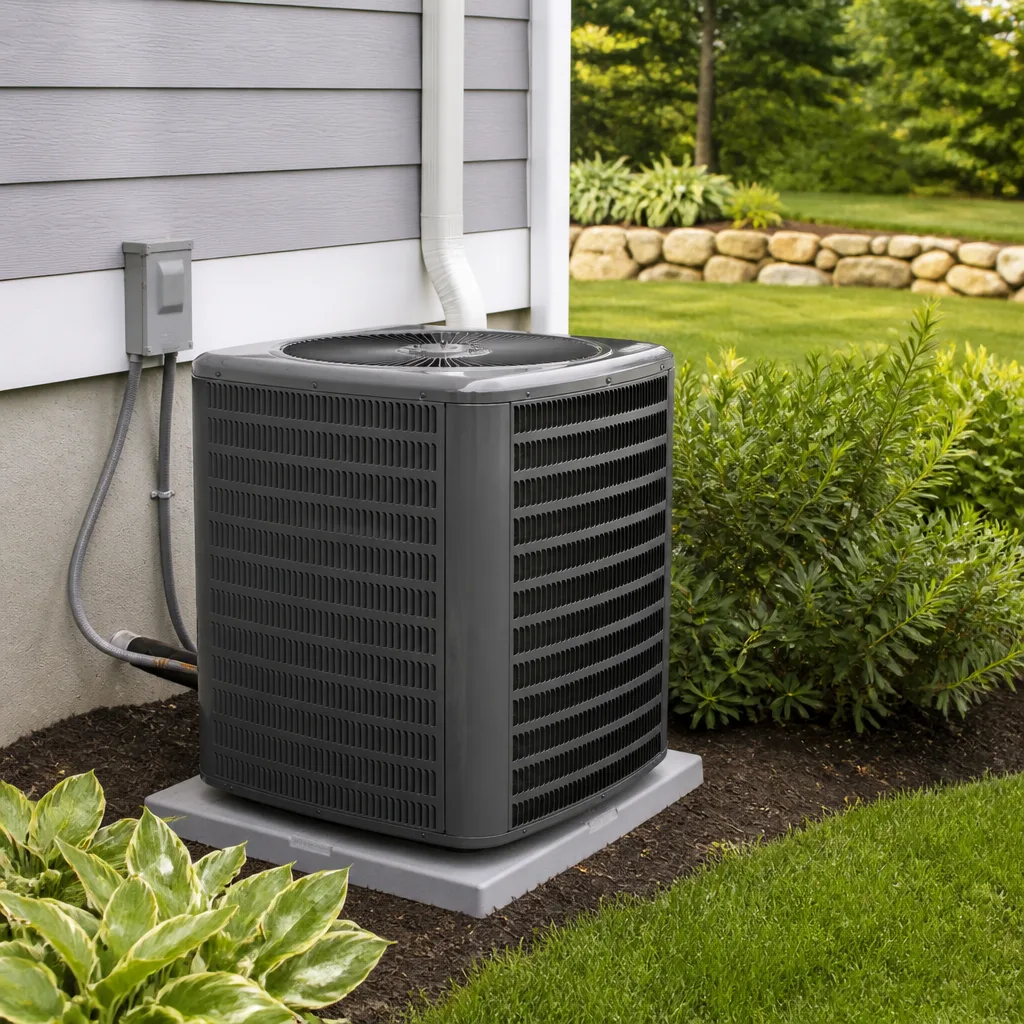 Goodman
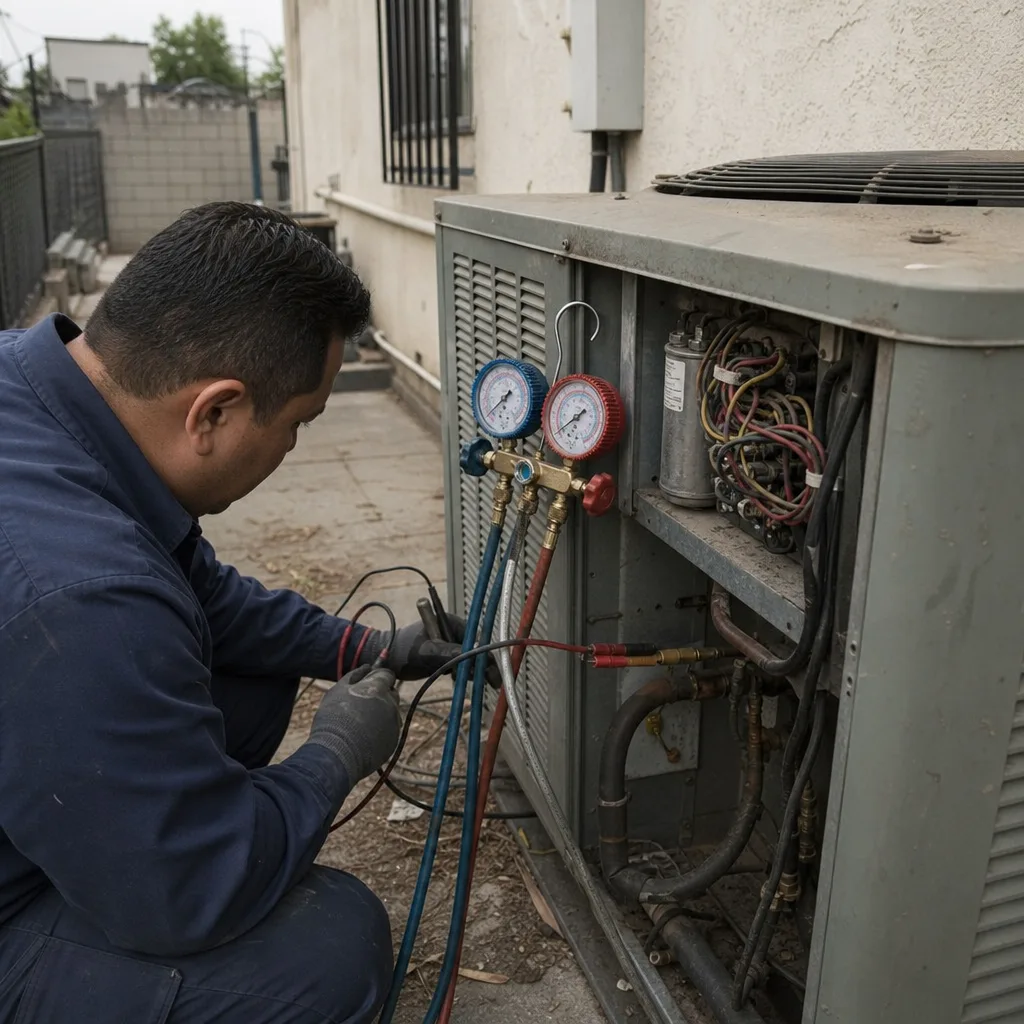
Seasonal tune-up and full diagnostic on your Carrier, Trane, or Goodman system - readings shown to you before any repair is proposed
Diagnosis first, numbers second - you approve the repair price before a single part goes in.
Get your free estimateHVAC Permits, Codes & Inspections in East Los Angeles, CA: What You Need to Know
Most homeowners treat the permit as a piece of paper, not a piece of the job. The surprise usually comes years later, at the worst possible moment: a buyer’s inspector opens the closet where the furnace sits, reads the model label, and asks the seller for the permit record that doesn’t exist. In Los Angeles County, an HVAC replacement that skipped the permit isn’t just a code violation, it can surface during a home sale inspection and turn into a retroactive permit process that costs more than the original permit ever would have. This guide walks through what triggers a permit in East Los Angeles, what inspectors actually look at, how Title 24 applies to replacement equipment in older homes, and how unpermitted work gets brought into compliance without tearing out a working system.
Quick Answer
In East Los Angeles, replacing an air conditioner, furnace, or heat pump generally requires a building permit and a Title 24 energy compliance form, while a true like-for-like repair or parts swap usually does not. Work is inspected at two points, rough and final, and unpermitted installations can be legalized later through a permit and inspection process rather than a full replacement. The written scope of your job, not the contractor’s verbal reassurance, is what determines whether a permit is required.
Styles & brands we work with
- AC repair
- Furnace & heating
- Heat pumps
- Ductless mini splits
- Carrier
- Trane
- Goodman
Table of Contents
- What work requires an HVAC permit in East Los Angeles
- How Title 24 applies to AC replacement in existing homes
- What inspectors check during rough and final HVAC inspections
- Refrigerant type and California’s phase-down rules
- How to legalize unpermitted HVAC work before a home sale
- What permits and inspections typically cost in East Los Angeles
- How to choose an HVAC contractor who handles compliance
- Common mistakes to avoid
What work requires an HVAC permit in East Los Angeles?
A permit is required when HVAC work changes the system rather than restores it. A new condenser, a new furnace, a new air handler, new ductwork, a heat pump install, or any change in the equipment’s capacity needs a permit under the Los Angeles County Building Code. So does adding refrigerant lines, relocating equipment, or converting a system from one fuel or type to another. The principle is simple: if the job changes what the house is rated for, the county wants to see it.
A repair, on the other hand, usually doesn’t need one. Replacing a failed capacitor, a blower motor, a contactor, a control board, or a thermostat is maintenance, not construction. Repairing a refrigerant leak and recharging the line is also typically permit-free. Where homeowners get misled is at the fuzzy middle. When a contractor talks about a “like-for-like replacement” as permit-free, ask them to define it. Under the code, a replacement of the outdoor condenser of different capacity or efficiency is not like-for-like, even if it’s the same brand and the same footprint. That’s a new installation and it needs a permit.
Three scenarios come up most in East Los Angeles homes:
- Straight swap of failed equipment, same capacity, same type, same location. Almost always requires a permit, because new equipment means a new energy compliance form.
- Repair of an existing, permitted system. No permit required.
- Conversion or upsizing. Permit required, plus possibly a load calculation and a duct sizing check.
If you’re unsure where your job lands, a written scope of work from the contractor will tell you. Ask for the model number of the proposed equipment next to the model number of the existing equipment. If those two numbers differ in capacity or efficiency, assume the permit applies. The East Los Angeles housing stock, much of it built from the 1920s through the 1960s, tends to have undersized electrical service and tight mechanical closets, which is another reason county inspectors want eyes on the job rather than a paper signature.
How does Title 24 apply to AC replacement in existing homes?
Title 24 is California’s energy code, and it applies to any alteration of an existing HVAC system, not just new construction. That means replacing a condenser, a furnace, a package unit, or a full split system in a 1950s bungalow in East Los Angeles requires a Title 24 compliance form to be filed with the permit. The form documents that the new equipment meets current minimum efficiency and refrigerant standards for the climate zone the house sits in.
This trips up homeowners who expect that an old house is grandfathered in. It isn’t. The building stays the building; the equipment being installed today has to meet today’s rules. In practice, that means:
- The contractor performs a load or equipment-selection calculation to confirm the new system is correctly sized for the home.
- A Title 24 compliance form is prepared that names the specific equipment model numbers being installed.
- The form is submitted to the permitting agency with the building permit application.
- The final inspection checks that the equipment actually installed matches what the compliance form promised.
The last step is where substitutions get caught. If the permit was pulled for a 14.3 SEER2 condenser and the installation crew shows up with a lower-efficiency model because of a supply issue, the final inspection can be failed. That’s not a small inconvenience in the middle of summer. It’s also a reason to insist that the equipment model number on your written estimate matches the equipment model number on your permit paperwork. In our experience, the biggest source of inspection trouble is a paperwork mismatch, not the actual installation.
Title 24 also touches ductwork. If you’re replacing a system and the ducts are accessible and in bad condition, the compliance form may require duct sealing or duct replacement as part of the job. Homes where the ductwork runs through a hot attic tend to lose a meaningful share of cooling to leakage, and the code treats that as part of a correct installation. Ask your contractor to show you what the compliance form covers and to price duct work as a separate line item. If the answer is “we’ll figure that out later,” that’s a sign the compliance work wasn’t planned from the start.
What do inspectors check during rough and final HVAC inspections?
Los Angeles County runs HVAC inspections in two phases. Rough happens before the system is closed up and powered on. Final happens once it’s installed and operating. Knowing what each inspector looks at makes the process feel less like a black box and gives you a way to check the contractor’s work before the county does.
Rough inspection
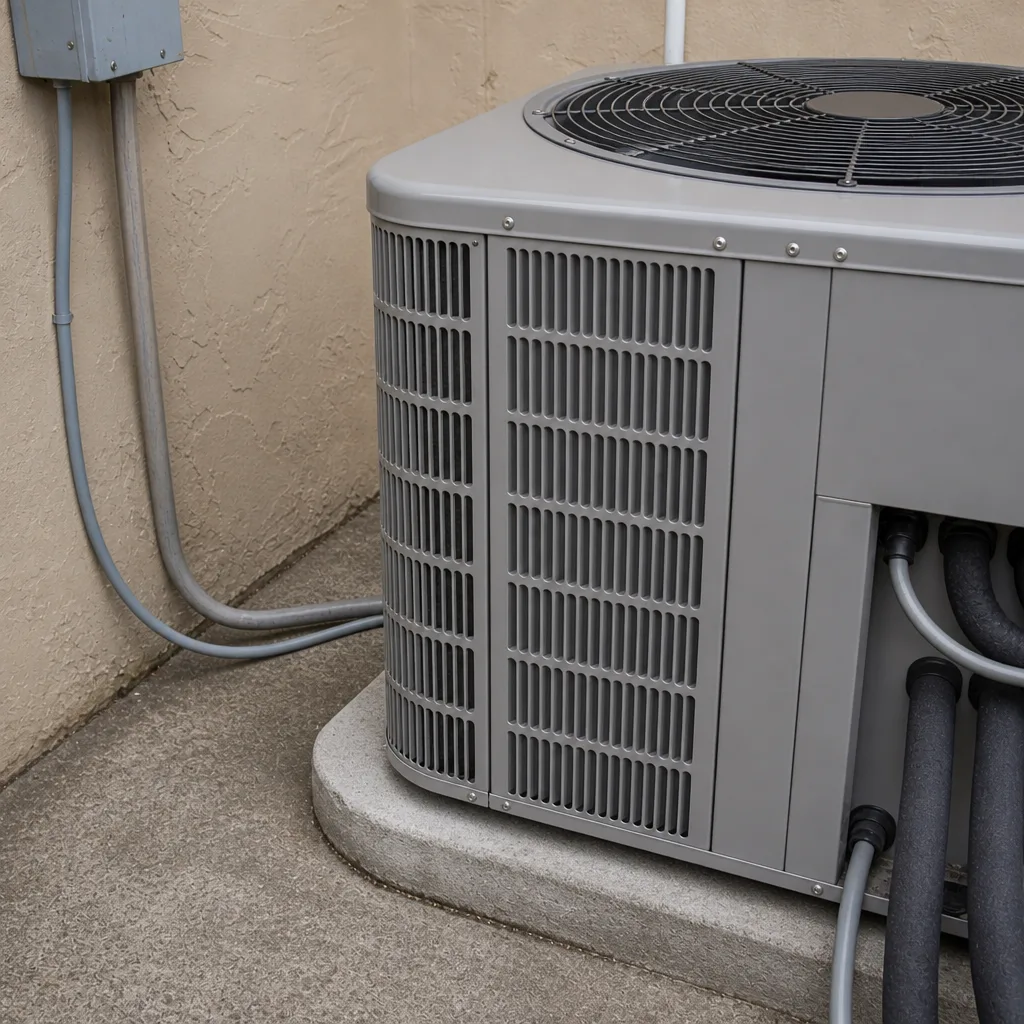
The inspector is looking at things that will be invisible after the job is buttoned up. That includes the equipment location, the platform or pad the unit sits on, the clearances around the equipment, the electrical disconnect, the condensate drain and its termination point, the refrigerant line routing and insulation, and the ductwork connections and support at this stage. The permit and compliance form must be available on site, along with the approved plans if one was required. If a new circuit or a panel change is part of the job, electrical rough inspection happens separately, and the two must be coordinated on the same schedule.
Final inspection
At final, the inspector verifies that the equipment installed matches the model numbers on the permit and compliance form, that the system operates correctly, that the condensate safety switch or float is in place, that the disconnect is labeled, that the thermostat is installed and functional, and that the installer left the refrigerant charge documentation. For gas furnaces, expect the gas line, flue, and combustion air to be checked. In many older East Los Angeles homes, the furnace sits in a hallway closet, and the flue and combustion air clearance is one of the main things that can fail a final.
What the inspector does not do: they don’t test the amount of cooling delivered into the rooms, they don’t tune the charge, and they don’t check that the home feels comfortable. That’s on the contractor. A passing inspection means the job was installed to code, not that the system is comfortable. If you want the latter, ask the contractor for a room-by-room airflow check and static pressure reading at startup.
How does refrigerant type affect permit requirements?
California is phasing down high-global-warming-potential refrigerants, and the phase-down affects what equipment can legally be installed on a permit. The old standby, R-410A, is being replaced on new equipment by refrigerants with a lower global warming potential. On the permit application, the refrigerant type and charge go on the paperwork, and the compliance form is tied to a specific model that uses a specific refrigerant.
For homeowners, the practical consequences are these:
- The equipment must be currently approved. A permit can’t be pulled for equipment the state no longer allows to be sold or installed for the intended application. The contractor’s supply chain has to deliver a compliant unit.
- Refrigerant type is documented. The final inspection may look for the equipment label and the installer’s documentation of charge, both of which state the refrigerant used.
- Mixing refrigerants is not allowed. If the new condenser uses a different refrigerant than the existing system was designed for, the indoor coil (and possibly the line set) usually has to be replaced with it. That changes the permit scope.
- Older R-22 systems are a separate story. R-22 equipment is well past the phase-out, and a permit to install new R-22 equipment is not going to be accepted in a working application. If a contractor offers to “top off” an R-22 system with reclaimed refrigerant and no path to replacement, that’s a temporary fix at best.
Ask your contractor directly: what refrigerant is the new equipment using, and what is the model number? If they can name the number without checking, that’s a good sign they’ve done this recently. If they need to “look into it,” that’s the moment to slow down. The refrigerant a permit will be written for is not a detail you want discovered the morning of install.
How do you legalize unpermitted HVAC work before a home sale?
Unpermitted work is legalized through a permit application and inspection, not a replacement. In a typical East Los Angeles case, the seller’s disclosure gets filled out honestly, the buyer’s inspector flags the installation, and the seller has two options: negotiate a price reduction for the buyer to handle it, or apply for a permit to legalize the existing work before closing. The second is usually the better outcome for everyone, because it produces a record that keeps the sale moving.
The process generally goes in this order:
- Pull the installation records for the equipment. Model number, serial number, install date, refrigerant type. Most of this is on the equipment label.
- Determine whether the equipment still meets current code. A system installed to code at the time may be grandfathered; a system that was never compliant in the first place needs to be brought up. The building department will tell you which applies.
- Apply for a permit to legalize. This is a permit for existing work, and it requires a contractor licensed in HVAC to sign for the installation and often to open a limited portion of the system for inspection.
- Schedule the inspection. The inspector will need to see the equipment, the connections, the electrical, and the documentation. If the job was done well, the inspection often passes as-is.
- Correct any deficiencies found. Common fixes are condensate drain termination, electrical disconnect labeling, or flue clearances. These are usually smaller line items, not replacements.
- Close out the permit. The closed permit and the final inspection record go into the home’s documentation, which is what the buyer’s agent and lender will want.
Realistic timeline: plan for a few weeks to a couple of months, depending on the permitting agency’s current queue and how quickly deficiencies are addressed. Cost is typically the permit fee plus labor for whatever corrections are needed, and it is almost always less than replacing a functioning system. The one scenario where replacement wins is when the existing equipment is so old or so mismatched to the home that it can’t be brought into compliance. Even then, an honest conversation up front usually saves money. Los Angeles County requires that the permit be closed before the property transfers to a new owner without a disclosure, so this is not a step that can be skipped or deferred.
What do permits and inspections typically cost in East Los Angeles?
Permit and inspection costs in East Los Angeles vary with the scope of the job, the equipment being installed, and the value of the work, which is how the county sets its fee schedule. The numbers below are typical ranges, not quotes. The written estimate from your contractor sets the actual price for any given job.
| Item | Typical estimated range |
|---|---|
| Building permit fee for a residential HVAC replacement | $150 to $400 |
| Title 24 compliance form preparation | $75 to $200 |
| Rough inspection | Included with permit |
| Final inspection | Included with permit |
| Permit to legalize existing unpermitted work | $150 to $500, plus corrections |
| Duct sealing or duct replacement (if required by compliance) | Quoted as a separate line item |
Two things matter more than the exact figure. First, make sure the permit fee is in the written estimate, not “handled after.” Second, make sure the compliance form and inspections are in scope, not billed as an add-on mid-job. A permit is not expensive compared to what unpermitted work can cost at sale, and the difference between a normal permit and a retroactive one is usually the difference between a smooth process and a stressful one. If you want to understand the rest of the job’s cost, our AC installation page walks through what a full replacement involves. For heating, our furnace repair page covers repairs that don’t need a permit.
How do you choose an HVAC contractor who handles compliance properly?
The clearest signal that a contractor handles permits properly is that the permit shows up in the written estimate, unprompted. Contractors who regularly work in East Los Angeles know the county’s process, know what a compliance form requires, and price it in from the start. Contractors who don’t are usually the ones who “forget” the permit, or who tell a homeowner they’ll “see if it’s needed.”
Questions to ask before signing:
- Will the permit be pulled in your name and the homeowner’s name, and is the fee in this estimate?
- Who prepares the Title 24 compliance form, and will I get a copy?
- What refrigerant is the proposed equipment using, and does it meet current state requirements?
- What’s the model number of the equipment being installed, and does it match what the compliance form will say?
- Which inspections will happen on this job, and who schedules them?
- If the job is a repair, what is the scope and why does it not need a permit?
A contractor who can answer all six without a phone call back is a contractor who does this regularly. At Prestige AC Repair, we work with equipment from Carrier, Trane, Lennox, and American Standard, among other major brands, and we’re brand-neutral on both the equipment recommendation and the repair-versus-replace call. Our technicians have up to 15 years of experience with installed systems, which matters here because the East Los Angeles housing stock is varied and old. A permit is a small part of a job that has to be done right the first time, and a contractor who treats it as routine is usually the same contractor who treats the rest of the work as routine. You can read more about how we handle the broader picture on our Prestige AC Repair home page.
Common Mistakes to Avoid
- Believing “like-for-like” is permit-free. A capacity or efficiency change is a new installation, even if the equipment looks identical from the outside. Ask for the model numbers.
- Accepting a verbal “it’s not needed” without a written scope. The written scope is what a future buyer’s inspector will find in the file. If it isn’t in writing, it doesn’t exist.
- Letting the equipment on the truck surprise the permit. If the installer brings a different model than the compliance form names, the final inspection can fail and delay the whole job. Confirm the model numbers before install day.
- Skipping the compliance form on a replacement. Title 24 applies to alterations of existing systems, not just new construction. Old homes are not grandfathered in for new equipment.
- Ignoring unpermitted work until escrow. Handling it early is a smaller project than handling it under a deadline. Get it documented before the listing goes live.
- Assuming a furnace repair needs a permit. Repairs usually don’t. Paying for one on a routine repair is unnecessary; the contractor should be able to explain the difference in writing.
- Assuming a new furnace install doesn’t. A furnace replacement is a permit job, and so is any ductwork change in the mechanical closet. Old East Los Angeles homes tend to have tight closets and undersized flues, which is one of the reasons the county inspects them.
See the difference
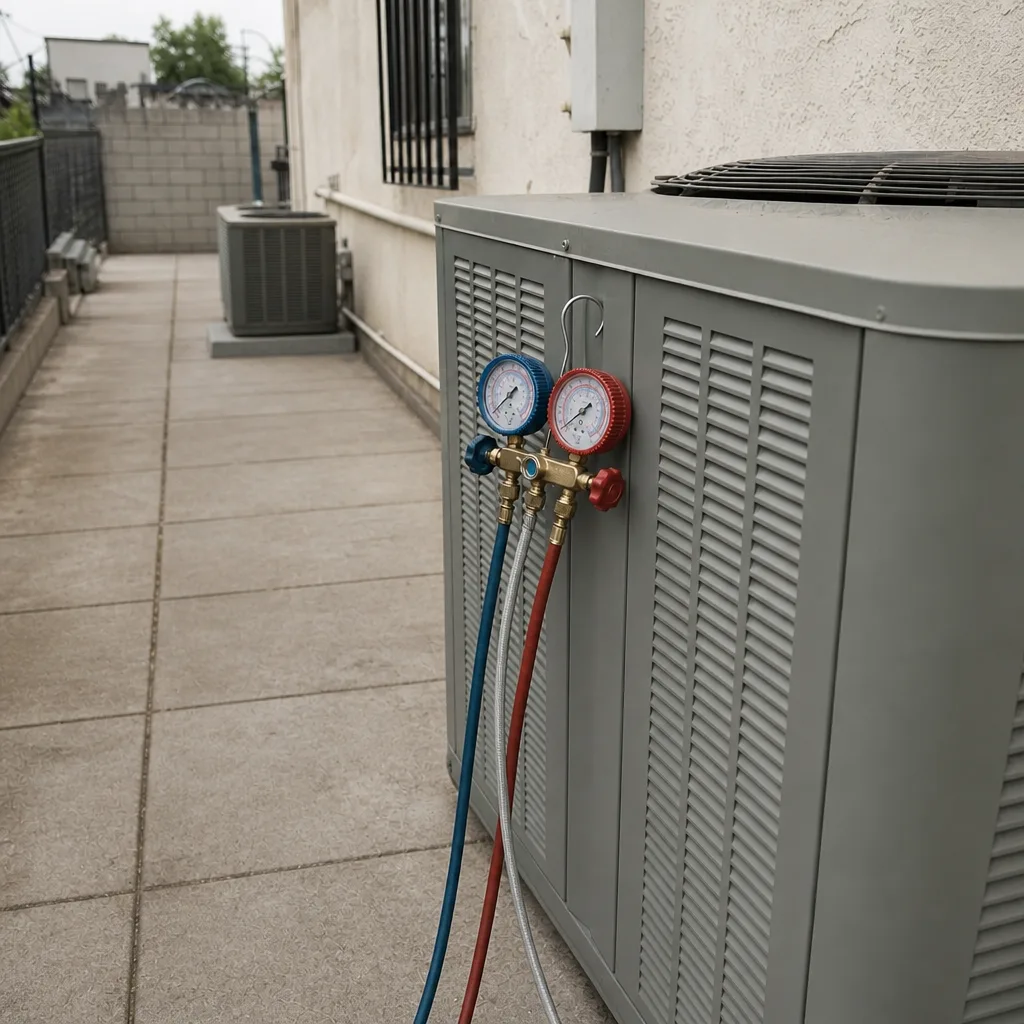
 Before
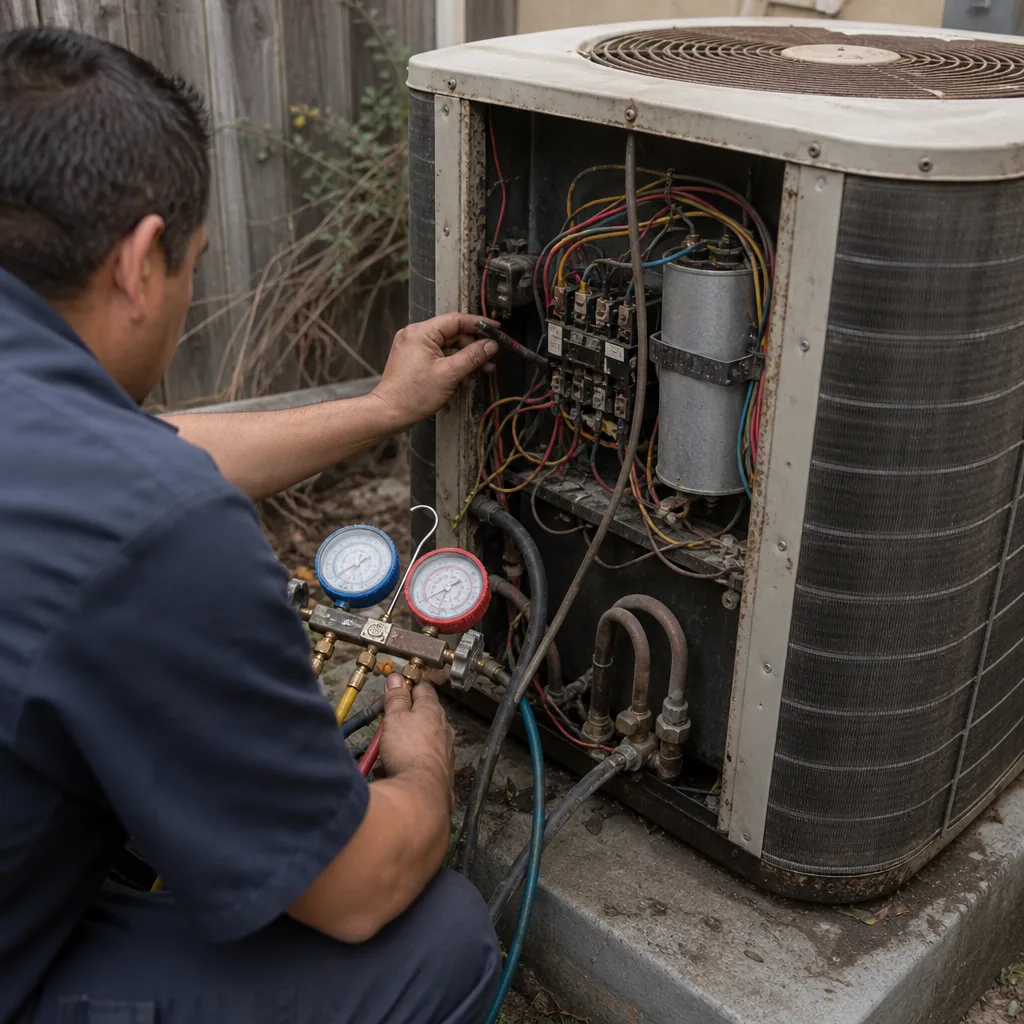
 After
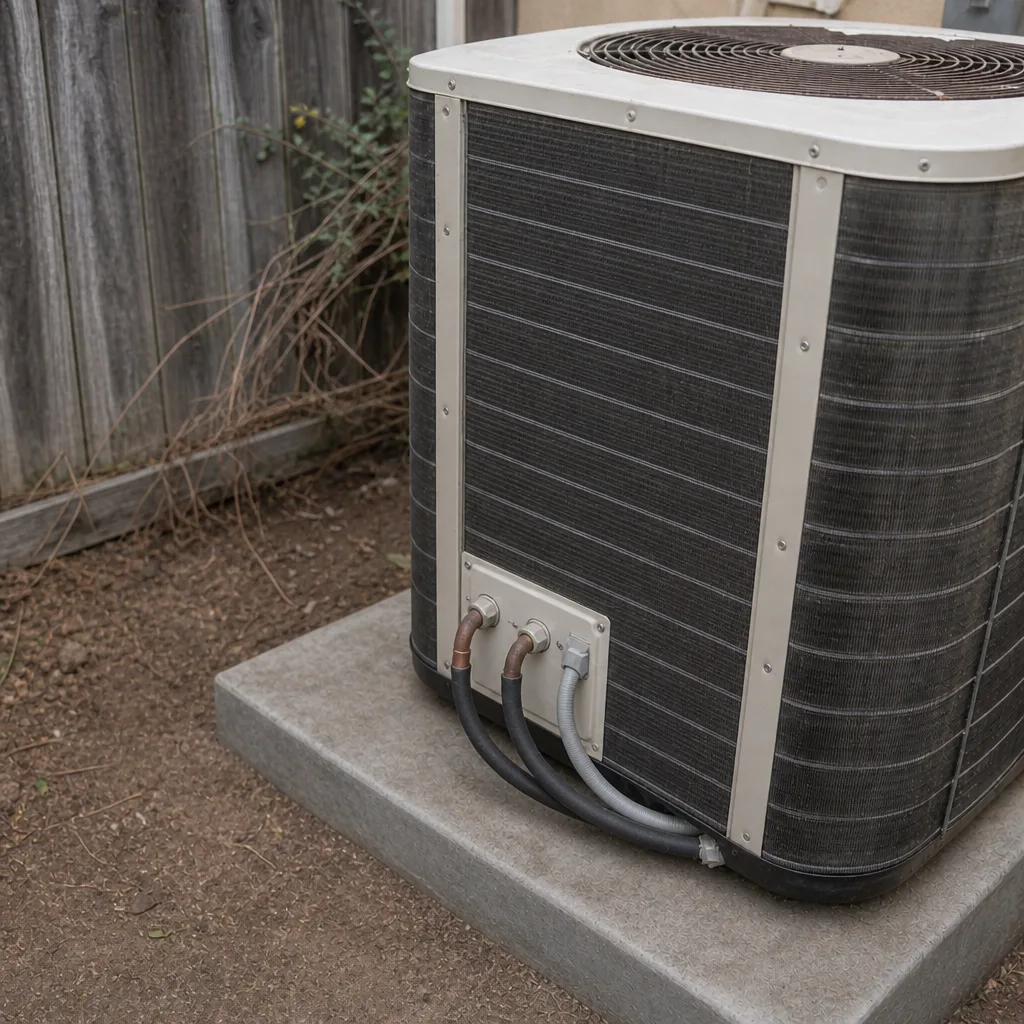
 Before
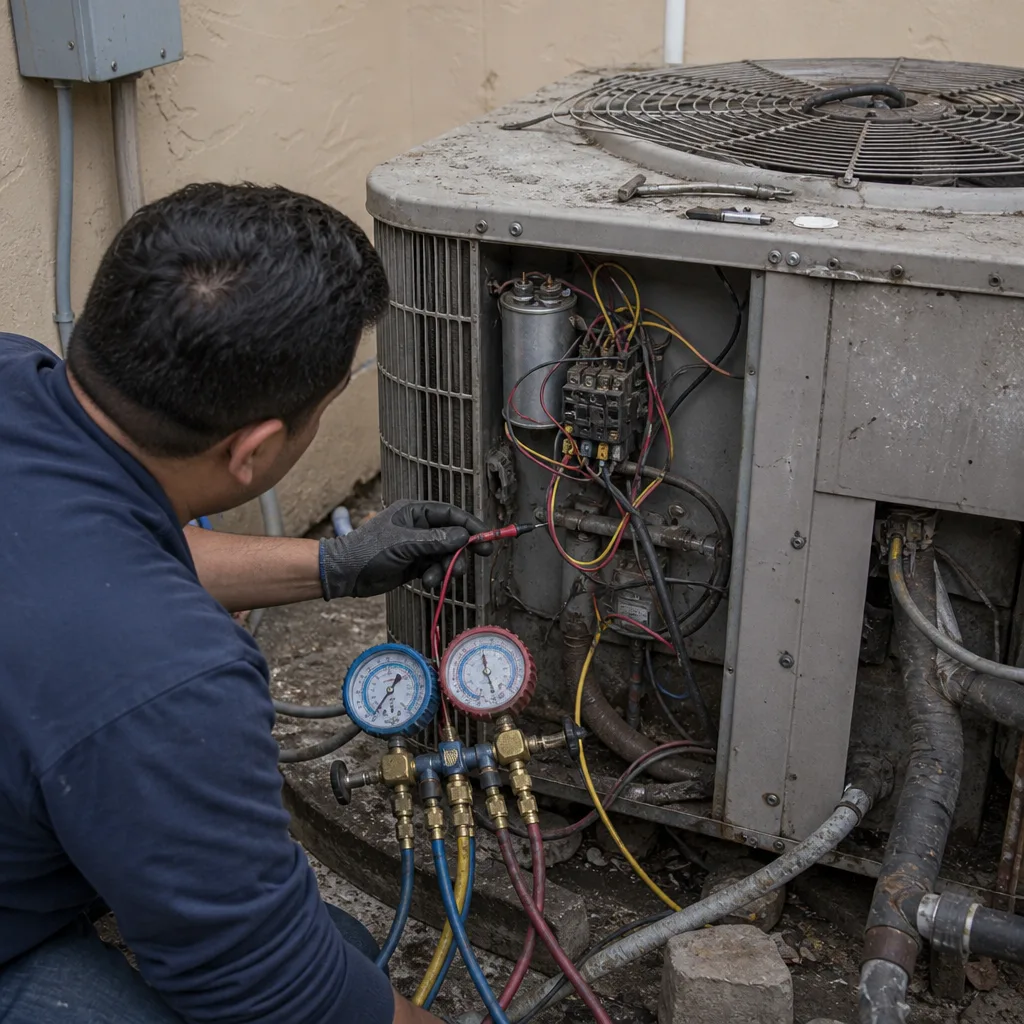
 After
 Before
 After
When to Call a Professional
Call a licensed HVAC professional when the job changes the system rather than restoring it: a new condenser, a new furnace, a heat pump install, a duct layout change, a refrigerant type change, or a legalization project on existing work. Call when a contractor tells you the permit isn’t needed and can’t produce a written scope explaining why. Call when you’re selling a home and the disclosure requires a record you don’t have. And call when a system that was just installed fails inspection, or when you’ve inherited a job that nobody wants to close out. Prestige AC Repair offers free estimates in East Los Angeles. Call (833) 997-6067. We answer 24/7. Fast dispatch from 7am to 7pm, Sunday through Friday. If you want to see how we cover the wider area, take a look at East Los Angeles.
Frequently Asked Questions
Yes, in most cases. An AC replacement in East Los Angeles requires a building permit and a Title 24 energy compliance form, even if the new unit is the same size as the old one. The exception is a repair of the existing system, such as a motor, capacitor, or board replacement, which typically doesn’t need a permit. Call (833) 997-6067 for an exact quote on your specific job.
No, a furnace repair usually doesn’t require a permit, but a furnace replacement does. The line is between restoring an existing, permitted system and installing new equipment. A new furnace, a new air handler, or any change to the gas line, flue, or ductwork is a permit job. Call (833) 997-6067 and we can tell you which category your job falls into.
Yes, unpermitted HVAC work can be legalized through a permit application and inspection rather than a full replacement, and doing it before the sale is usually cheaper and simpler than doing it under escrow pressure. The process involves pulling a record of the existing equipment, applying for a permit to legalize, and passing an inspection with any corrections the county requires. Call (833) 997-6067 for a free estimate on the compliance work.
Los Angeles County HVAC inspections happen in two phases. The rough inspection checks the equipment location, clearances, electrical disconnect, condensate drain, refrigerant line routing, and ductwork before the system is closed up. The final inspection checks that the installed equipment matches the permit and compliance form, that the system operates, and that safety devices and documentation are in place. Call (833) 997-6067 if you have a job that needs a permit and you want it handled correctly.
Yes, Title 24 applies to alterations of existing HVAC systems, not just new construction. Replacing a condenser or furnace in an older East Los Angeles home requires a compliance form documenting that the new equipment meets current efficiency and refrigerant standards for the local climate zone. Older homes are not grandfathered in for new equipment. Call (833) 997-6067 for an estimate that includes the compliance work.
Typical permit fees for a residential HVAC replacement in East Los Angeles run from about $150 to $400, and the Title 24 compliance form adds roughly $75 to $200. Legalizing existing unpermitted work runs higher, often $150 to $500 plus any corrections the county requires. The exact figure depends on the scope and the value of the work, so the written estimate sets the final price. Call (833) 997-6067 for a free estimate.
The Bottom Line
Permits and inspections aren’t there to slow a job down. They’re the record that follows a house through every sale, refinance, and insurance conversation for as long as the equipment is installed. In East Los Angeles, that means a permit and a Title 24 form on replacements, no permit on repairs, two inspections, and a clear path to compliance for anything done previously without a permit. The cheapest path is always the job done with the permit from the start. The second cheapest is a legalization before the sale. The expensive path is the one that gets discovered by the buyer’s inspector. If you’re planning a replacement, or you’re not sure what’s already installed, our team at Prestige AC Repair is ready to help.
Call (833) 997-6067. We answer 24/7. Fast dispatch from 7am to 7pm, Sunday through Friday.
Written by the team at Prestige AC Repair.